

Author Archives | Maria Krylova

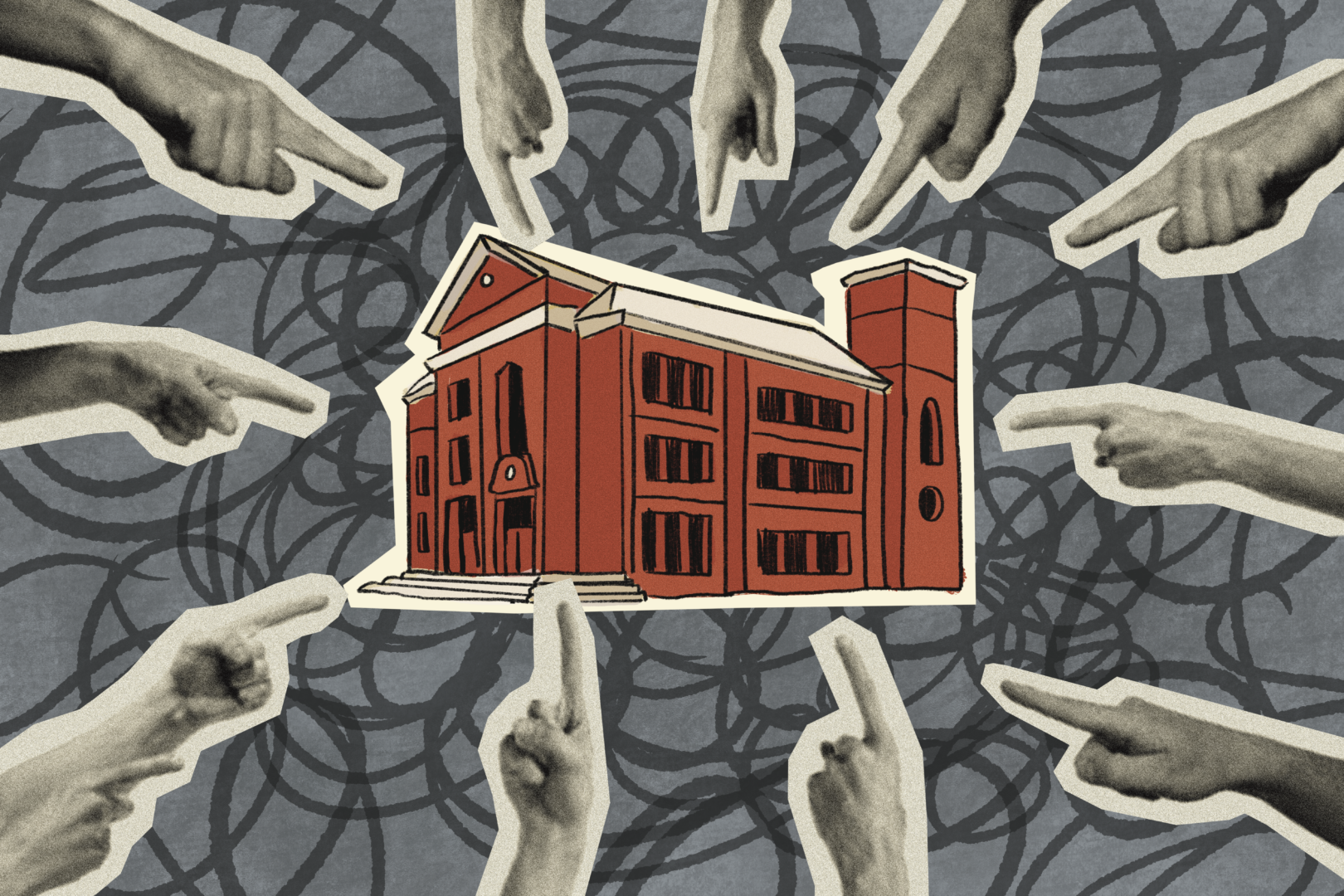
UH’s new Flock cameras raise privacy concerns

Flock cameras placed outside of Cougar Place, on Thursday, August 20, 2026, in Houston, Texas. | Gillian Wisniewski/The Cougar

Last week, while stuck in afternoon traffic driving home from campus, I got too invested in my music and bumped the truck in front of me. My Civic could not hold up to the bulk of a Ford F-150, leaving my pride damaged and two pinky-sized indentations in my bumper.

Thanks to the rise of Flock cameras, those tiny dents could now be the key to someone tracking my car across the country.

The function of Flock cameras

In the past few months, the University quietly implemented a new technology as part of its campus security upgrade. 

Flock cameras aren’t just “modernized” security cameras. These black, teardrop-shaped devices use artificial intelligence to automatically record identifying features of passing vehicles, from minor scratches to bumper stickers.

Unlike regular security cameras, which require individual footage review, Flock stores search data in a network accessible to at least 5,000 agencies law enforcement agencies. This national surveillance system can then be used to track people across state lines.

Abuses, faults

The use of Flock cameras on campus raises serious privacy concerns for UH students. People should have the right to move freely, but now, regardless of criminal record, individuals are being tracked by unknown organizations. 

Concerningly, there is very little oversight in who can access this information and for what purpose; there have already been cases of police officers abusing these cameras to stalk their exes. An insecure network of cameras could increase the risk of harassment instead of reducing it.

In addition, AI-powered security systems are notorious for racial profiling. Automatic license plate readers have flagged false positives for stolen vehicles in the past, leading to innocent arrests or even being held at gunpoint.

Not “community-chosen”

UH students have long been concerned about safety, following a series of robberies and sexual assaults in 2025. It’s troubling that the University did not announce its decision to use Flock cameras publicly. Flock states that “communities shouldn’t have to choose between public safety and privacy,” yet the UH community didn’t choose Flock. 

We did not choose an intrusive, faulty system that puts undocumented, minority and female students at risk, especially when it hasn’t proven to reduce crime.

On the first day of this semester, a young woman was groped by a non-UH-affiliated man in the very heart of campus in broad daylight. The suspect was caught and arrested, not by a fancy camera, but by ordinary campus police officers. That is the type of security we need: present, human officers ready to defend, not distant eyes conducting mass surveillance from afar.

I am not afraid of these cameras because I have something to hide. I fear them because laws change and what is legal today can become a crime tomorrow. Only a few years ago, abortion was federally protected; now a woman traveling out of Texas for one can be digitally tracked and arrested. 

The eye of a camera always appears unobtrusive until it turns on you. UH should protect its students, not turn campus into a place where Big Brother gains another set of eyes.

opinion@thedailycougar.com

—
“UH’s new Flock cameras raise privacy concerns” was originally posted on The Cougar

Posted in UncategorizedComments Off on UH’s new Flock cameras raise privacy concerns

Starting over in your 20s doesn’t make you a failure

Nina To/ The Cougar

After four years of college, one year of professional work experience and $40,000 worth of student debt, my older sister finally did what she always wanted to do. She left the field of engineering to pursue a career as a marriage counselor.

This was a classic case of parental pressure. My sister, Veronika, never wanted to be a civil engineer. Throughout college, Veronika dragged her feet through a degree she didn’t want. It got to the point that she created an Instagram account bashing the profession with memes, but arguing with her parents was no use. It was a steady career, and that was that.

When she graduated, she gave engineering a fair shot and got a full-time job. After 13 months of enduring her personal hell, she got laid off, and the expected thing happened: she wanted to change careers. She took off on a month-long trip to Europe to destress and joined the disappointing-her-parents club with her younger sister, the English major (me).

Childhood dreams have some merit

Feeling forced into a career or major that doesn’t suit you is common. Whether through parental influence, the pressure of making money or both, students’ personal interests often take a backseat to so-called practicality.

It’s a far cry from the days of childhood, when everyone and everything encouraged children to follow their dreams. This past week, I was binging 2010s Nickelodeon theme songs when I discovered the surprising wisdom of their bullheaded positivity. Blasting “Big Time Rush” on the highway, I was struck by how much bigger the world of a child is compared to that of an adult.

Even though adults have more freedom to act on their desires, they tend to lack creativity. Kindergarten classrooms are full of future movie stars, astronauts, NBA athletes and superheroes while college graduates seek prospective thrills as “investment banker” and “administrative assistants.”

Adult life becomes a game of Monopoly. All the advice about living life to the fullest gives way to retirement accounts, salaries and prestige. Following your dreams is seen as unrealistic and trite, unless your dream job happens to be practical or you have a rich family backing you.

But how practical is it to waste years of your life doing something you dread? My sister went a long way, but she also went the wrong way, and the saddest part is that she knew she was going in the wrong direction. It was fear that held her back, not ignorance.

Boring isn’t always bad

Don’t get me wrong; steady, “boring” careers are a perfectly respectable choice. In a survey asking Gen Z workers what they would do if they could change their education path, only 12% said they would choose a creative, passion-driven degree, compared to 22% who said they would choose a higher-paying field.

Therefore, choosing a career isn’t a simple matter of just following one’s passions. There are drivers for satisfaction other than one’s own interests, like the drive to support one’s family. 

If job security, fancy vacations in the Netherlands or flexible, low-effort work is your dream, that is the one you should chase. One can be perfectly happy doing a dull job and exercising their fun muscles at home. What matters is that you do what you want to do, not what you think you should want or what other people say you should want. SpongeBob loves being a fry cook. He doesn’t need to be anything else.

Being realistic while also being brave

Purely by statistics, it’s highly unlikely that everyone in the aforementioned kindergarten class will be talented, lucky, intelligent and wealthy enough to land the highly competitive position that children often aim for. There’s also the small matter that some goals are just impossible; my little sister will never be a horse, no matter how much she wants to. Grit alone doesn’t guarantee a spot at the top.

But if you can grit your teeth and bear doing a job you hate, why not grit your teeth and fight for the job you would love, or at least enjoy? No one is coming to stop you except yourself. While it might be risky or difficult, somebody has to be the next Supreme Court Justice or bestselling author, and it’s not impossible that that someone is you. You cannot automatically reject yourself from things you haven’t even attempted yet. Happy endings cannot happen without some kind of beginning.

Today, my sister is putting together a grad school application for a master’s in psychology. She has absolutely zero background experience, and she’ll have to start taking classes this summer to catch up on the bachelor’s in psychology she could have had. But as I look at her excitedly taking back-to-school photos at 24, I can’t help thinking she made the right choice.

opinion@thedailycougar.com

—
“Starting over in your 20s doesn’t make you a failure” was originally posted on The Cougar

Posted in UncategorizedComments Off on Starting over in your 20s doesn’t make you a failure

Starting over in your 20s doesn’t make you a failure

Nina To/ The Cougar

After four years of college, one year of professional work experience and $40,000 worth of student debt, my older sister finally did what she always wanted to do. She left the field of engineering to pursue a career as a marriage counselor.

This was a classic case of parental pressure. My sister, Veronika, never wanted to be a civil engineer. Throughout college, Veronika dragged her feet through a degree she didn’t want. It got to the point that she created an Instagram account bashing the profession with memes, but arguing with her parents was no use. It was a steady career, and that was that.

When she graduated, she gave engineering a fair shot and got a full-time job. After 13 months of enduring her personal hell, she got laid off, and the expected thing happened: she wanted to change careers. She took off on a month-long trip to Europe to destress and joined the disappointing-her-parents club with her younger sister, the English major (me).

Childhood dreams have some merit

Feeling forced into a career or major that doesn’t suit you is common. Whether through parental influence, the pressure of making money or both, students’ personal interests often take a backseat to so-called practicality.

It’s a far cry from the days of childhood, when everyone and everything encouraged children to follow their dreams. This past week, I was binging 2010s Nickelodeon theme songs when I discovered the surprising wisdom of their bullheaded positivity. Blasting “Big Time Rush” on the highway, I was struck by how much bigger the world of a child is compared to that of an adult.

Even though adults have more freedom to act on their desires, they tend to lack creativity. Kindergarten classrooms are full of future movie stars, astronauts, NBA athletes and superheroes while college graduates seek prospective thrills as “investment banker” and “administrative assistants.”

Adult life becomes a game of Monopoly. All the advice about living life to the fullest gives way to retirement accounts, salaries and prestige. Following your dreams is seen as unrealistic and trite, unless your dream job happens to be practical or you have a rich family backing you.

But how practical is it to waste years of your life doing something you dread? My sister went a long way, but she also went the wrong way, and the saddest part is that she knew she was going in the wrong direction. It was fear that held her back, not ignorance.

Boring isn’t always bad

Don’t get me wrong; steady, “boring” careers are a perfectly respectable choice. In a survey asking Gen Z workers what they would do if they could change their education path, only 12% said they would choose a creative, passion-driven degree, compared to 22% who said they would choose a higher-paying field.

Therefore, choosing a career isn’t a simple matter of just following one’s passions. There are drivers for satisfaction other than one’s own interests, like the drive to support one’s family. 

If job security, fancy vacations in the Netherlands or flexible, low-effort work is your dream, that is the one you should chase. One can be perfectly happy doing a dull job and exercising their fun muscles at home. What matters is that you do what you want to do, not what you think you should want or what other people say you should want. SpongeBob loves being a fry cook. He doesn’t need to be anything else.

Being realistic while also being brave

Purely by statistics, it’s highly unlikely that everyone in the aforementioned kindergarten class will be talented, lucky, intelligent and wealthy enough to land the highly competitive position that children often aim for. There’s also the small matter that some goals are just impossible; my little sister will never be a horse, no matter how much she wants to. Grit alone doesn’t guarantee a spot at the top.

But if you can grit your teeth and bear doing a job you hate, why not grit your teeth and fight for the job you would love, or at least enjoy? No one is coming to stop you except yourself. While it might be risky or difficult, somebody has to be the next Supreme Court Justice or bestselling author, and it’s not impossible that that someone is you. You cannot automatically reject yourself from things you haven’t even attempted yet. Happy endings cannot happen without some kind of beginning.

Today, my sister is putting together a grad school application for a master’s in psychology. She has absolutely zero background experience, and she’ll have to start taking classes this summer to catch up on the bachelor’s in psychology she could have had. But as I look at her excitedly taking back-to-school photos at 24, I can’t help thinking she made the right choice.

opinion@thedailycougar.com

—
“Starting over in your 20s doesn’t make you a failure” was originally posted on The Cougar
Posted in UncategorizedComments Off on Starting over in your 20s doesn’t make you a failure

Starting over in your 20s doesn’t make you a failure

Nina To/ The Cougar

After four years of college, one year of professional work experience and $40,000 worth of student debt, my older sister finally did what she always wanted to do. She left the field of engineering to pursue a career as a marriage counselor.

This was a classic case of parental pressure. My sister, Veronika, never wanted to be a civil engineer. Throughout college, Veronika dragged her feet through a degree she didn’t want. It got to the point that she created an Instagram account bashing the profession with memes, but arguing with her parents was no use. It was a steady career, and that was that.

When she graduated, she gave engineering a fair shot and got a full-time job. After 13 months of enduring her personal hell, she got laid off, and the expected thing happened: she wanted to change careers. She took off on a month-long trip to Europe to destress and joined the disappointing-her-parents club with her younger sister, the English major (me).

Childhood dreams have some merit

Feeling forced into a career or major that doesn’t suit you is common. Whether through parental influence, the pressure of making money or both, students’ personal interests often take a backseat to so-called practicality.

It’s a far cry from the days of childhood, when everyone and everything encouraged children to follow their dreams. This past week, I was binging 2010s Nickelodeon theme songs when I discovered the surprising wisdom of their bullheaded positivity. Blasting “Big Time Rush” on the highway, I was struck by how much bigger the world of a child is compared to that of an adult.

Even though adults have more freedom to act on their desires, they tend to lack creativity. Kindergarten classrooms are full of future movie stars, astronauts, NBA athletes and superheroes while college graduates seek prospective thrills as “investment banker” and “administrative assistants.”

Adult life becomes a game of Monopoly. All the advice about living life to the fullest gives way to retirement accounts, salaries and prestige. Following your dreams is seen as unrealistic and trite, unless your dream job happens to be practical or you have a rich family backing you.

But how practical is it to waste years of your life doing something you dread? My sister went a long way, but she also went the wrong way, and the saddest part is that she knew she was going in the wrong direction. It was fear that held her back, not ignorance.

Boring isn’t always bad

Don’t get me wrong; steady, “boring” careers are a perfectly respectable choice. In a survey asking Gen Z workers what they would do if they could change their education path, only 12% said they would choose a creative, passion-driven degree, compared to 22% who said they would choose a higher-paying field.

Therefore, choosing a career isn’t a simple matter of just following one’s passions. There are drivers for satisfaction other than one’s own interests, like the drive to support one’s family. 

If job security, fancy vacations in the Netherlands or flexible, low-effort work is your dream, that is the one you should chase. One can be perfectly happy doing a dull job and exercising their fun muscles at home. What matters is that you do what you want to do, not what you think you should want or what other people say you should want. SpongeBob loves being a fry cook. He doesn’t need to be anything else.

Being realistic while also being brave

Purely by statistics, it’s highly unlikely that everyone in the aforementioned kindergarten class will be talented, lucky, intelligent and wealthy enough to land the highly competitive position that children often aim for. There’s also the small matter that some goals are just impossible; my little sister will never be a horse, no matter how much she wants to. Grit alone doesn’t guarantee a spot at the top.

But if you can grit your teeth and bear doing a job you hate, why not grit your teeth and fight for the job you would love, or at least enjoy? No one is coming to stop you except yourself. While it might be risky or difficult, somebody has to be the next Supreme Court Justice or bestselling author, and it’s not impossible that that someone is you. You cannot automatically reject yourself from things you haven’t even attempted yet. Happy endings cannot happen without some kind of beginning.

Today, my sister is putting together a grad school application for a master’s in psychology. She has absolutely zero background experience, and she’ll have to start taking classes this summer to catch up on the bachelor’s in psychology she could have had. But as I look at her excitedly taking back-to-school photos at 24, I can’t help thinking she made the right choice.

opinion@thedailycougar.com

—
“Starting over in your 20s doesn’t make you a failure” was originally posted on The Cougar

Posted in UncategorizedComments Off on Starting over in your 20s doesn’t make you a failure

In defense of public schools: What should they be teaching students?

Isabel Bustos / The Cougar

“I wouldn’t even send my cat to a public school!” she said, slamming her hand on the counter.

I overheard this declared loudly by one of my coworkers. She was ranting about public schools “brainwashing” children, how unsafe their campuses are and how they fail to prepare students for the real world, while a woman nearby intensely agreed. Why are there 20-year-old college students, they asked, studying to be doctors who can’t do their own laundry?

The cynical view that schools exist to squash children’s individuality and pump out workers is an unfortunately common one. Public schools, especially, are criticized for teaching students supposedly useless information instead of practical life skills.

In one survey, the average American felt that they used “just 37 percent of the information they learn in school.” Some of the information that Americans found “most useless” included the Pythagorean theorem, the number pi and social activities like making paper snowflakes. Respondents expressed a desire for more practical instruction, such as how to file taxes or perform car maintenance.

What schools are actually responsible for

While this is a reasonable desire, it ignores the fact that basic life skills are and should be parents’ responsibility to teach at home. It’s unfair to criticize schools for not filling gaps left by parents. If a person reaches adulthood and doesn’t know how to wash dishes, the question should be: What support were they receiving at home over the last 18 years?

In addition, most basic skills are straightforward to learn on one’s own with the proper motivation. When I stayed away from home the first time for a work trip, I had to figure out how to use a dryer because I’d never seen one before; my family dried our clothes on a clothesline. 

What did I do? I read the knobs on the machine and figured it out. I learned how to change my car’s oil from a YouTube video. As for the classic example of tax filing, there are free apps like TurboTax that make it very easy. Almost everyone has access to the internet, and the internet has become its own form of public education

But most importantly, basic history, math, writing and literacy skills are real-world skills. Lower-level education is designed to expose children to a broad range of knowledge so that they can discover their strengths and interests and decide which subjects to pursue as adults. 

It’s true that not everyone needs to know the Pythagorean theorem, but Jane, who will go on to become an architect, needs to learn it at some point. And before she can discover that she wants to be an architect, she first needs to discover that she enjoys and excels in math.

What students are actually learning

Another skill that people commonly claim school doesn’t teach is media literacy: the ability to recognize how messages are formed and manipulated, and to do the same.

In reality, media literacy is practiced constantly in English class. Analyzing rhetorical strategies and authorial intent in literature builds foundational skills for understanding the world around us. 

While a student grumbles about analyzing the use of metaphors in Shakespeare’s “Macbeth,” they are learning to decode manipulative language and see through false advertising.

When a student is forced to write an essay about “Jane Eyre,” they are really practicing writing a persuasive argument and articulating their thoughts into words, which is useful in law, business and everyday conversation.

However, the best thing public schools teach is how to live in a world much bigger than yourself. Almost 49,000 students attend the University of Houston, and counted amongst them are conservatives and drag queens, niqabis and furries, frat bros and gender-neutral bathroom enthusiasts. Going to UH can be challenging, fun, exciting and different, which is a much better preparation for “the real world” than the more insulated environment of a private school.

opinion@thedailycougar.com

—
“In defense of public schools: What should they be teaching students?” was originally posted on The Cougar

Posted in UncategorizedComments Off on In defense of public schools: What should they be teaching students?