

Author Archives | Maria Krylova

AI exposes dangerous gaps in outdated CSAM laws

Nina To/The Cougar

In August 2026, the 7th U.S. Circuit Court of Appeals ruled that a federal law criminalizing the private, in-home possession of obscene, entirely virtual AI-generated child sexual abuse material, or CSAM was unconstitutional as applied to the defendant. 

The court relied on multiple Supreme Court precedents concerning privacy, obscenity and the First Amendment.

This decision demonstrates how outdated legal precedents can leave courts struggling to address technology that did not exist when those decisions were made. It is unacceptable that U.S. law has not kept pace with AI’s ability to generate increasingly realistic abusive material.

The facts of the case

The decision came in United States v. Anderegg.

The facts of the case are as follows: Federal prosecutors accused a Wisconsin man of producing “hyper-realistic images of prepubescent children engaging in sexually explicit acts” using the generative AI Stable Diffusion. 

Anderegg, a software engineer with a background in AI models, was charged with producing, distributing and possessing the material, as well as transferring it to a minor younger than 16.

Obscenity versus the right to privacy

A federal district court dismissed the possession charge and the 7th U.S. Circuit Court of Appeals upheld that decision due to several several Supreme Court precedents. First, the landmark 1969 case Stanley v. Georgia established First Amendment protection for the private possession of obscene material in the home. 

However, the circumstances in Stanley were significantly different from those in United States v. Anderegg.

People have a legitimate expectation of privacy in their homes. However, virtual CSAM should fall within the limited circumstances in which the government can restrict private possession.

Researchers have raised concerns that engagement with virtual CSAM could contribute to escalation in some offenders, including progression toward material involving real children or contact offenses. However, the relationship remains an area of ongoing research.

Obscenity in relation to fictional CSAM

The second Supreme Court precedent Lee cited was the 2002 case Ashcroft v. Free Speech Coalition. This case struck down some restrictions of the Child Pornography Protection Act. Most notably, the Court ruled that certain computer-generated CSAM could not be prohibited on the same grounds as material involving real children.

Because virtual images do not require the abuse of real children during production, the government’s interest in protecting children from that specific harm did not apply in the same way.

Again, this outdated logic from 2002 does not work in a world of realistic generative AI. Although the children in AI-generated CSAM may not be exact copies of real minors, AI uses existing sources to create new content. 

Therefore, every AI-generated depiction of CSAM is re-exploiting real victims, whose faces and bodies are scraped from a database and stitched together into a grotesque Frankenstein of obscenity. Moreover, giving any hyperrealistic CSAM a pass will make it harder to identify real cases of abuse. 

If lifelike CSAM is alright as long as it is technically fictional, the line can be blurred quickly. If an AI image depicts a real child but with differently colored eyes, is that a completely different child?

Lack of government enforcement creates loopholes

The appellate opinion, written by Lee, expressed concern about the ruling. He acknowledged that the Supreme Court precedents behind the decision were established “nearly twenty-five years ago,” when today’s image-generation technology was “likely unimaginable.”

Lower courts are bound by Supreme Court precedent, and the 7th Circuit said it was not free to redraw the lines established by those earlier decisions despite its concerns about advances in AI.

Congress tried to address the problem further by creating the ENFORCE Act, which is designed to update the laws around CSAM and AI. 

However, that act was introduced in 2025 and a year later, it still has not become law, despite being bipartisan. Meanwhile, the pace of technological development continues to outstrip the legislative process.

The First Amendment was never designed with generative AI in mind. Nearly four years after image-generation tools entered the mainstream, courts are applying decades-old precedents to technology capable of producing material the Supreme Court could not have envisioned. If the law cannot keep pace with that technology, the gaps will only become more difficult to address.

opinion@thedailycougar.com

—
“AI exposes dangerous gaps in outdated CSAM laws” was originally posted on The Cougar

Posted in UncategorizedComments Off on AI exposes dangerous gaps in outdated CSAM laws

AI exposes dangerous gaps in outdated CSAM laws

Nina To/The Cougar

In August 2026, the 7th U.S. Circuit Court of Appeals ruled that a federal law criminalizing the private, in-home possession of obscene, entirely virtual AI-generated child sexual abuse material, or CSAM was unconstitutional as applied to the defendant. 

The court relied on multiple Supreme Court precedents concerning privacy, obscenity and the First Amendment.

This decision demonstrates how outdated legal precedents can leave courts struggling to address technology that did not exist when those decisions were made. It is unacceptable that U.S. law has not kept pace with AI’s ability to generate increasingly realistic abusive material.

The facts of the case

The decision came in United States v. Anderegg.

The facts of the case are as follows: Federal prosecutors accused a Wisconsin man of producing “hyper-realistic images of prepubescent children engaging in sexually explicit acts” using the generative AI Stable Diffusion. 

Anderegg, a software engineer with a background in AI models, was charged with producing, distributing and possessing the material, as well as transferring it to a minor younger than 16.

Obscenity versus the right to privacy

A federal district court dismissed the possession charge and the 7th U.S. Circuit Court of Appeals upheld that decision due to several several Supreme Court precedents. First, the landmark 1969 case Stanley v. Georgia established First Amendment protection for the private possession of obscene material in the home. 

However, the circumstances in Stanley were significantly different from those in United States v. Anderegg.

People have a legitimate expectation of privacy in their homes. However, virtual CSAM should fall within the limited circumstances in which the government can restrict private possession.

Researchers have raised concerns that engagement with virtual CSAM could contribute to escalation in some offenders, including progression toward material involving real children or contact offenses. However, the relationship remains an area of ongoing research.

Obscenity in relation to fictional CSAM

The second Supreme Court precedent Lee cited was the 2002 case Ashcroft v. Free Speech Coalition. This case struck down some restrictions of the Child Pornography Protection Act. Most notably, the Court ruled that certain computer-generated CSAM could not be prohibited on the same grounds as material involving real children.

Because virtual images do not require the abuse of real children during production, the government’s interest in protecting children from that specific harm did not apply in the same way.

Again, this outdated logic from 2002 does not work in a world of realistic generative AI. Although the children in AI-generated CSAM may not be exact copies of real minors, AI uses existing sources to create new content. 

Therefore, every AI-generated depiction of CSAM is re-exploiting real victims, whose faces and bodies are scraped from a database and stitched together into a grotesque Frankenstein of obscenity. Moreover, giving any hyperrealistic CSAM a pass will make it harder to identify real cases of abuse. 

If lifelike CSAM is alright as long as it is technically fictional, the line can be blurred quickly. If an AI image depicts a real child but with differently colored eyes, is that a completely different child?

Lack of government enforcement creates loopholes

The appellate opinion, written by Lee, expressed concern about the ruling. He acknowledged that the Supreme Court precedents behind the decision were established “nearly twenty-five years ago,” when today’s image-generation technology was “likely unimaginable.”

Lower courts are bound by Supreme Court precedent, and the 7th Circuit said it was not free to redraw the lines established by those earlier decisions despite its concerns about advances in AI.

Congress tried to address the problem further by creating the ENFORCE Act, which is designed to update the laws around CSAM and AI. 

However, that act was introduced in 2025 and a year later, it still has not become law, despite being bipartisan. Meanwhile, the pace of technological development continues to outstrip the legislative process.

The First Amendment was never designed with generative AI in mind. Nearly four years after image-generation tools entered the mainstream, courts are applying decades-old precedents to technology capable of producing material the Supreme Court could not have envisioned. If the law cannot keep pace with that technology, the gaps will only become more difficult to address.

opinion@thedailycougar.com

—
“AI exposes dangerous gaps in outdated CSAM laws” was originally posted on The Cougar
Posted in UncategorizedComments Off on AI exposes dangerous gaps in outdated CSAM laws

Subliminal messages: Pseudo-science that actually works

Valeria Marcano/The Cougar

It seems unbelievable to think that you could listen to positive affirmations to pass an exam without studying. Yet if you go on YouTube and type “subliminal messages” in the search box, you will find a community of millions of people dedicated to what looks like nothing less than magic.

It seems like an obvious hoax designed to bring in views, but even if they don’t produce the magical results they sometimes claim to give, subliminals have the ability to affect you subconsciously and make a great positive impact on your life.

How subliminals work

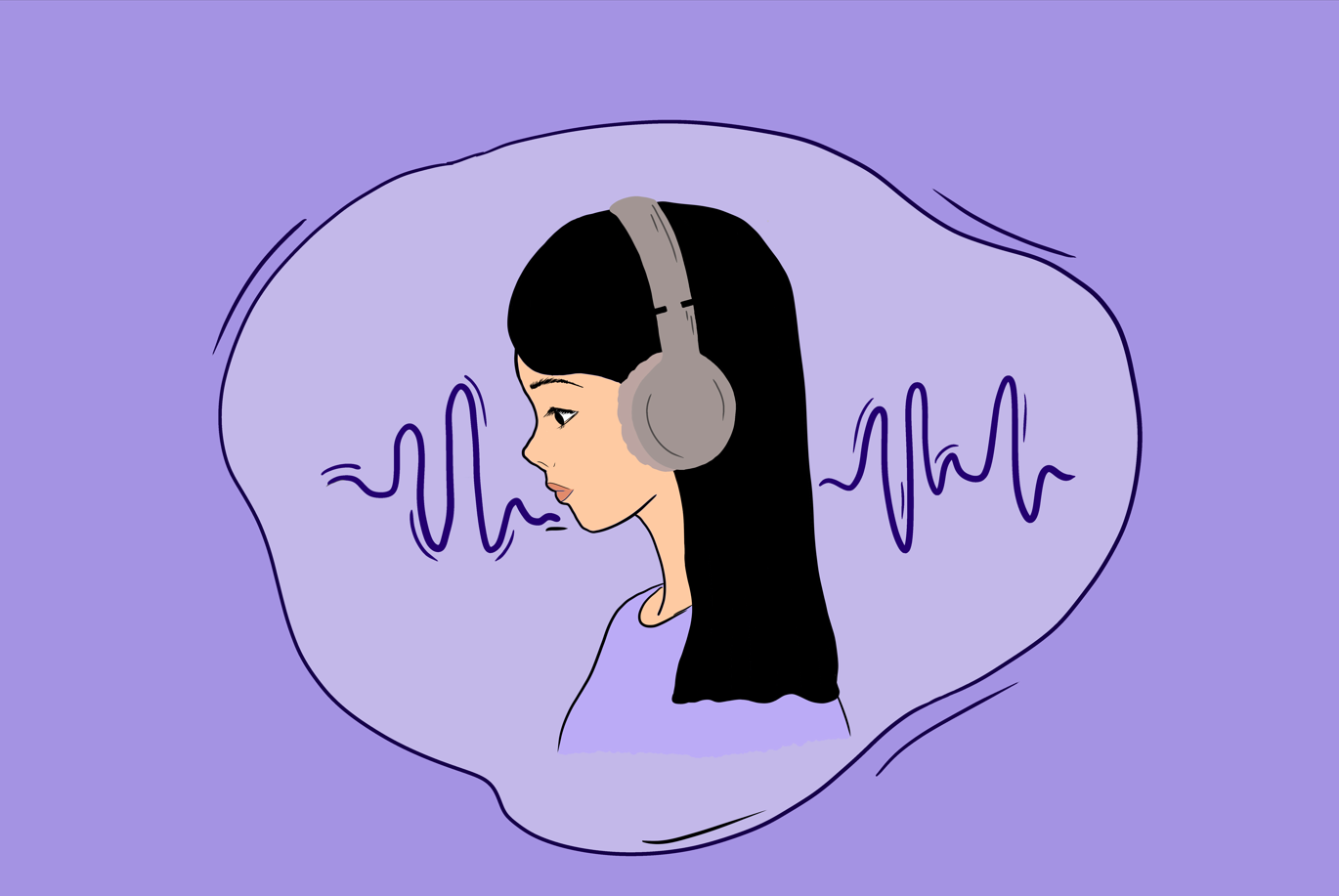
Subliminal messages, or “subliminals” as they’re commonly referred to online, are audios that contain repeated hidden affirmations. These messages are usually hidden beneath music or ambient noise. 

You don’t have to concentrate on what is being said. In fact, you’re encouraged to let them play in the background while you study, sleep or do errands. The only real instructions are to drink plenty of water and visualize the results.

Effects range from drastically changing your appearance, attracting wealth, healing sickness to even giving you magic powers. Some people even believe listening to subliminals will make their crush fall in love with them. In theory hearing “everything works out in my favor” would  produce fantastic results. 

Breaking down the magic

To get some caveats out of the way: most research around subliminal messaging is focused on their use in advertising. As such, there is no scientific evidence that you can alter your DNA just by listening to subliminals.

 Beauty subliminals claiming to directly change your facial structure, make you taller or get rid of your acne are most likely false— so why do thousands of people in comment sections claim to get results?

The answer, as one redditor puts it, is that subliminals “change your belief structure,” not your bone structure.

If you hear a message thousands of times saying that you are beautiful and confident, you subconsciously absorb those messages and begin to believe them.

You may feel more inclined to walk with a good posture, which makes you appear taller and less awkward. When you feel good about yourself, you also put more effort into your style and appearance. 

These small changes in mindset create a feedback loop of perceived improvement leading to you making choices that create changes to your appearance. Even the success of subliminals claiming to affect the behaviors of others can be explained this way; after listening to a subliminal to make your crush like you, you may feel more confident and willing to make a move. If you listen to a subliminal to get hired for a job, you would feel at ease during the interview, which would increase your chances of success in getting a call back.

In my own experience, I was painfully shy and alone my first year of college, so I tried listening to subliminals for making friends. The videos didn’t magically summon people to me, but they did significantly reduce my social anxiety and get rid of my hesitation to “bother” people with my presence. I began joining clubs and striking up conversations with people around me, something that had felt impossible before. Over time, I organically found the people I would call friends. The subliminals, in a roundabout way, had worked.

A tool of self-possession

I used to scoff at the idea that your life could change without you having to lift a finger. I saw using subliminals as laziness, the antithesis of hard work and genuine self-improvement.

In reality, subliminals are more of a springboard than a magic lamp. Like the placebo effect, subliminals help you help yourself. They do not replace medical care or perform plastic surgery on you while you sleep; rather, they encourage you to take real, tangible steps to become the best version of yourself you were already trying to be.

opinion@thedailycougar.com

—
“Subliminal messages: Pseudo-science that actually works” was originally posted on The Cougar

Posted in UncategorizedComments Off on Subliminal messages: Pseudo-science that actually works

Subliminal messages: Pseudo-science that actually works

Valeria Marcano/The Cougar

It seems unbelievable to think that you could listen to positive affirmations to pass an exam without studying. Yet if you go on YouTube and type “subliminal messages” in the search box, you will find a community of millions of people dedicated to what looks like nothing less than magic.

It seems like an obvious hoax designed to bring in views, but even if they don’t produce the magical results they sometimes claim to give, subliminals have the ability to affect you subconsciously and make a great positive impact on your life.

How subliminals work

Subliminal messages, or “subliminals” as they’re commonly referred to online, are audios that contain repeated hidden affirmations. These messages are usually hidden beneath music or ambient noise. 

You don’t have to concentrate on what is being said. In fact, you’re encouraged to let them play in the background while you study, sleep or do errands. The only real instructions are to drink plenty of water and visualize the results.

Effects range from drastically changing your appearance, attracting wealth, healing sickness to even giving you magic powers. Some people even believe listening to subliminals will make their crush fall in love with them. In theory hearing “everything works out in my favor” would  produce fantastic results. 

Breaking down the magic

To get some caveats out of the way: most research around subliminal messaging is focused on their use in advertising. As such, there is no scientific evidence that you can alter your DNA just by listening to subliminals.

 Beauty subliminals claiming to directly change your facial structure, make you taller or get rid of your acne are most likely false— so why do thousands of people in comment sections claim to get results?

The answer, as one redditor puts it, is that subliminals “change your belief structure,” not your bone structure.

If you hear a message thousands of times saying that you are beautiful and confident, you subconsciously absorb those messages and begin to believe them.

You may feel more inclined to walk with a good posture, which makes you appear taller and less awkward. When you feel good about yourself, you also put more effort into your style and appearance. 

These small changes in mindset create a feedback loop of perceived improvement leading to you making choices that create changes to your appearance. Even the success of subliminals claiming to affect the behaviors of others can be explained this way; after listening to a subliminal to make your crush like you, you may feel more confident and willing to make a move. If you listen to a subliminal to get hired for a job, you would feel at ease during the interview, which would increase your chances of success in getting a call back.

In my own experience, I was painfully shy and alone my first year of college, so I tried listening to subliminals for making friends. The videos didn’t magically summon people to me, but they did significantly reduce my social anxiety and get rid of my hesitation to “bother” people with my presence. I began joining clubs and striking up conversations with people around me, something that had felt impossible before. Over time, I organically found the people I would call friends. The subliminals, in a roundabout way, had worked.

A tool of self-possession

I used to scoff at the idea that your life could change without you having to lift a finger. I saw using subliminals as laziness, the antithesis of hard work and genuine self-improvement.

In reality, subliminals are more of a springboard than a magic lamp. Like the placebo effect, subliminals help you help yourself. They do not replace medical care or perform plastic surgery on you while you sleep; rather, they encourage you to take real, tangible steps to become the best version of yourself you were already trying to be.

opinion@thedailycougar.com

—
“Subliminal messages: Pseudo-science that actually works” was originally posted on The Cougar

Posted in UncategorizedComments Off on Subliminal messages: Pseudo-science that actually works

Subliminal messages: Pseudo-science that actually works

Valeria Marcano/The Cougar

It seems unbelievable to think that you could listen to positive affirmations to pass an exam without studying. Yet if you go on YouTube and type “subliminal messages” in the search box, you will find a community of millions of people dedicated to what looks like nothing less than magic.

It seems like an obvious hoax designed to bring in views, but even if they don’t produce the magical results they sometimes claim to give, subliminals have the ability to affect you subconsciously and make a great positive impact on your life.

How subliminals work

Subliminal messages, or “subliminals” as they’re commonly referred to online, are audios that contain repeated hidden affirmations. These messages are usually hidden beneath music or ambient noise. 

You don’t have to concentrate on what is being said. In fact, you’re encouraged to let them play in the background while you study, sleep or do errands. The only real instructions are to drink plenty of water and visualize the results.

Effects range from drastically changing your appearance, attracting wealth, healing sickness to even giving you magic powers. Some people even believe listening to subliminals will make their crush fall in love with them. In theory hearing “everything works out in my favor” would  produce fantastic results. 

Breaking down the magic

To get some caveats out of the way: most research around subliminal messaging is focused on their use in advertising. As such, there is no scientific evidence that you can alter your DNA just by listening to subliminals.

 Beauty subliminals claiming to directly change your facial structure, make you taller or get rid of your acne are most likely false— so why do thousands of people in comment sections claim to get results?

The answer, as one redditor puts it, is that subliminals “change your belief structure,” not your bone structure.

If you hear a message thousands of times saying that you are beautiful and confident, you subconsciously absorb those messages and begin to believe them.

You may feel more inclined to walk with a good posture, which makes you appear taller and less awkward. When you feel good about yourself, you also put more effort into your style and appearance. 

These small changes in mindset create a feedback loop of perceived improvement leading to you making choices that create changes to your appearance. Even the success of subliminals claiming to affect the behaviors of others can be explained this way; after listening to a subliminal to make your crush like you, you may feel more confident and willing to make a move. If you listen to a subliminal to get hired for a job, you would feel at ease during the interview, which would increase your chances of success in getting a call back.

In my own experience, I was painfully shy and alone my first year of college, so I tried listening to subliminals for making friends. The videos didn’t magically summon people to me, but they did significantly reduce my social anxiety and get rid of my hesitation to “bother” people with my presence. I began joining clubs and striking up conversations with people around me, something that had felt impossible before. Over time, I organically found the people I would call friends. The subliminals, in a roundabout way, had worked.

A tool of self-possession

I used to scoff at the idea that your life could change without you having to lift a finger. I saw using subliminals as laziness, the antithesis of hard work and genuine self-improvement.

In reality, subliminals are more of a springboard than a magic lamp. Like the placebo effect, subliminals help you help yourself. They do not replace medical care or perform plastic surgery on you while you sleep; rather, they encourage you to take real, tangible steps to become the best version of yourself you were already trying to be.

opinion@thedailycougar.com

—
“Subliminal messages: Pseudo-science that actually works” was originally posted on The Cougar
Posted in UncategorizedComments Off on Subliminal messages: Pseudo-science that actually works

Investing with a clear conscience is difficult, but not impossible

Elijah James Washington

It is undeniable: the bleak future that Gen Z dreaded growing up is becoming our bleak reality. On Sept. 2, the United Nations released a report warning that the world has “lost its chance to prevent some of the worst of global warming’s harms.” The report warns of worsening climate impacts, shifting the focus toward mitigating damage and reducing global temperatures before the consequences worsen.

With the looming threat of disaster, it is more important than ever to take control of your finances and build wealth through investing. One common way to do this is by opening a retirement account. 

Unfortunately, even a simple retirement account can invest your money in companies that devastate the planet, exploit workers and harm innocent people.

This leads to a kind of moral crossroads: Does one have to sacrifice ethics, the planet and even the lives of others for financial security? How can we prepare for a climate-devastated world by contributing to the very sources of that devastation?

The realities of successful investing

The difficult reality is that many popular investment funds include major companies that have faced criticism over their environmental or labor practices.

A prime example is the S&P 500, a stock market index that tracks 500 leading U.S. companies. Investors can buy into funds that track the index, which is commonly used as a foundation for long-term investing. It’s considered one of the safest, most foundational investments for building wealth because of its historically reliable returns.

Unfortunately, performance comes at a price: this index fund includes companies like Coca-Cola, the world’s number-one plastic polluter and Apple, which has faced allegations of child labor and environmental damage in its mineral supply chain.

Investing in international markets is hardly better. I formed my personal investment portfolio based on advice from Bogleheads, a popular investing community known for its beginner-friendly approach.

I bought shares of an international equity fund the site recommended and saw pleasing results. However, when I looked into the companies included in the fund, I found Nestlé, which has faced decades of criticism over its marketing of infant formula in developing countries. 

Realizing that my money was invested in a company tied to practices I disagreed with made me wary.

Finding the middle ground

It is possible to strike a balance between increasing personal wealth and having a net-positive impact on the world. Investing responsibly means investing in the future: clean energy, climate solutions and sustainable, worker-friendly organizations. 

Clean energy is already booming worldwide, giving investors opportunities to support growing industries while investing in businesses they believe are better for the planet.

Sadly, some highly profitable companies have built their success while cutting corners, underpaying workers or harming consumers. It is up to the individual to draw their moral line and decide how much of this they are willing to support.

We cannot let the top 1% continue to hold such a disproportionate share of wealth. Investing gives lower- and middle-class people a chance to build wealth of their own, support what matters to them and have a greater say in what — and who — survives into the future. We don’t have to remain on the sidelines while money determines who gets ahead.

opinion@thedailycougar.com

—
“Investing with a clear conscience is difficult, but not impossible” was originally posted on The Cougar

Posted in UncategorizedComments Off on Investing with a clear conscience is difficult, but not impossible

UH’s new Flock cameras raise privacy concerns

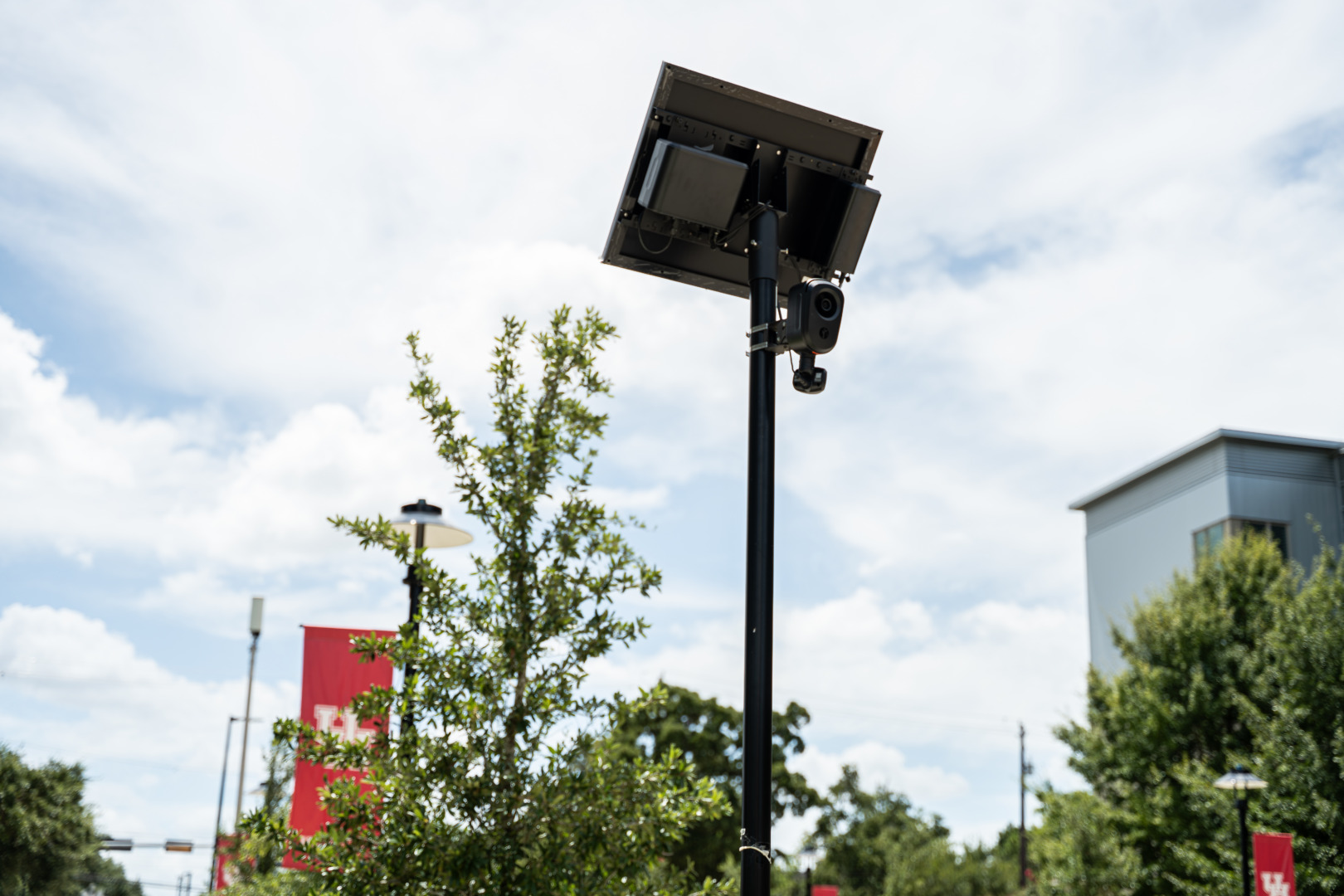
Flock cameras placed outside of Cougar Place, on Thursday, August 20, 2026, in Houston, Texas. | Gillian Wisniewski/The Cougar

Last week, while stuck in afternoon traffic driving home from campus, I got too invested in my music and bumped the truck in front of me. My Civic could not hold up to the bulk of a Ford F-150, leaving my pride damaged and two pinky-sized indentations in my bumper.

Thanks to the rise of Flock cameras, those tiny dents could now be the key to someone tracking my car across the country.

The function of Flock cameras

In the past few months, the University quietly implemented a new technology as part of its campus security upgrade. 

Flock cameras aren’t just “modernized” security cameras. These black, teardrop-shaped devices use artificial intelligence to automatically record identifying features of passing vehicles, from minor scratches to bumper stickers.

Unlike regular security cameras, which require individual footage review, Flock stores search data in a network accessible to at least 5,000 agencies law enforcement agencies. This national surveillance system can then be used to track people across state lines.

Abuses, faults

The use of Flock cameras on campus raises serious privacy concerns for UH students. People should have the right to move freely, but now, regardless of criminal record, individuals are being tracked by unknown organizations. 

Concerningly, there is very little oversight in who can access this information and for what purpose; there have already been cases of police officers abusing these cameras to stalk their exes. An insecure network of cameras could increase the risk of harassment instead of reducing it.

In addition, AI-powered security systems are notorious for racial profiling. Automatic license plate readers have flagged false positives for stolen vehicles in the past, leading to innocent arrests or even being held at gunpoint.

Not “community-chosen”

UH students have long been concerned about safety, following a series of robberies and sexual assaults in 2025. It’s troubling that the University did not announce its decision to use Flock cameras publicly. Flock states that “communities shouldn’t have to choose between public safety and privacy,” yet the UH community didn’t choose Flock. 

We did not choose an intrusive, faulty system that puts undocumented, minority and female students at risk, especially when it hasn’t proven to reduce crime.

On the first day of this semester, a young woman was groped by a non-UH-affiliated man in the very heart of campus in broad daylight. The suspect was caught and arrested, not by a fancy camera, but by ordinary campus police officers. That is the type of security we need: present, human officers ready to defend, not distant eyes conducting mass surveillance from afar.

I am not afraid of these cameras because I have something to hide. I fear them because laws change and what is legal today can become a crime tomorrow. Only a few years ago, abortion was federally protected; now a woman traveling out of Texas for one can be digitally tracked and arrested. 

The eye of a camera always appears unobtrusive until it turns on you. UH should protect its students, not turn campus into a place where Big Brother gains another set of eyes.

opinion@thedailycougar.com

—
“UH’s new Flock cameras raise privacy concerns” was originally posted on The Cougar

Posted in UncategorizedComments Off on UH’s new Flock cameras raise privacy concerns