
Author Archives | Yocelin Real

Texas heat is changing, AI is part of the reason

Hailey Nguyen / The Cougar

Texas has always been known for its hot summers. Long days by the river, sweat-soaked afternoons and jokes about frying eggs on the pavement have become routine for us. 

We expect the heat, but what we didn’t anticipate is the record-breaking heat returning every summer. The mugginess is lasting longer, nights are staying warmer and all-time highs continue to break. 

It’s no longer just “normal Texas weather.” It is part of a larger pattern.

The hidden cause

Climate patterns have always fluctuated, but today’s extreme heat is becoming increasingly common. Texas is feeling these effects firsthand as summer temperatures reach dangerous levels frequently.

Even though weather patterns play a natural role, scientists agree that human-caused greenhouse gas emissions are driving heat waves to be more severe. One of the newest contributors to rising energy demand is artificial intelligence.

Often unnoticed by many of its users, AI has become a part of everyday life. Businesses rely on it to increase productivity, students utilize it to brainstorm ideas and millions of people use it to generate images.

What users may not realize is that every prompt is processed in massive data centers that consume enormous amounts of electricity. As a result, AI facilities require volumes of water for evaporative cooling to keep their servers operating smoothly.

Although AI is not the sole cause of climate change, it is certainly expanding the world’s carbon and energy footprint.

As tech companies race to build the newest model and add new features, energy demand continues to grow. In Texas, data centers are being built rapidly, placing additional strain on the state power grid managed by the Electric Reliability Council of Texas, powered by fossil fuels.

Finding innovative solutions

AI is marketed as the future that helps people work faster and solve complex problems. Although true, the infrastructure supporting the technology carries high environmental costs that are often overlooked. 

As companies race to develop the next generation of AI, they must prioritize new technologies to help conserve energy and reduce its environmental impact. Investing in renewable microgrids and waterless cooling systems for their data centers could help reduce unnecessary strain on the environment and transition toward clean infrastructure.

Without cleaner, more efficient infrastructure, AI’s continued growth could contribute significantly to climate change. As AI’s energy demands continue to grow alongside other sources of emissions, the consequences become increasingly visible in Texas.

The ecological toll

These extreme temperatures extend far beyond discomfort. They affect almost every part of our daily lives. 

Outdoor workers face the greatest risk of heat exhaustion and heatstroke. Those with medical conditions become more vulnerable during these prolonged heat waves. Even healthy individuals experience dehydration, fatigue and respiratory problems as high temperatures coincide with poor air quality.

Recovering from these long summer days has also become more difficult as nighttime temperatures continue to rise.

Instead of cooling off overnight, many remain trapped in dangerously high temperatures, causing continuous stress on the body. For families without reliable air conditioning or struggling with rising electricity costs, these conditions become more than inconvenient, they become a direct threat.

Wildlife is also at risk. Unlike humans, they cannot simply escape to air-conditioned buildings. As water sources shrink, droughts intensify and animals struggle to find basic resources. 

Fish populations can decline as shallow lakes and rivers become too warm. Pollinators face habitat loss and heat stress, threatening the ecosystems that depend on them. Even native Texas species adapted to the heat are being pushed past their limits.

The environmental effects create a chain reaction. When wildlife begins to struggle, ecosystems become more fragile. Predators lose prey, plants lose pollinators and landscapes become more prone to wildfires and droughts. 

What may start as another hot summer can quickly reshape entire ecosystems.

Choose action

It is true that Texas has always experienced extreme weather, but the difference today is the intensifying frequency of these events. Records are being challenged every year, no longer just every few decades. 

Scientists have warned for years that climate change would result in longer, more frequent heat waves and that has already become our reality. We complain about the heat, but actually addressing it requires government action, corporate responsibility and individual compliance.

Making sustainable choices like supporting environmentally responsible businesses, advocating for clean energy alternatives and recognizing that new technology comes with environmental trade-offs is a good place to start.

Texans have become resilient to the heat, but that should not mean accepting dangerously hot summers as routine.  AI isn’t solely responsible for these changes, but its rapidly growing demand for electricity highlights the difficult balance between technological progress and environmental sustainability.

The rising temperatures are a clear warning. It’s no longer just another hot Texas summer. It is evidence of a world that demands attention before today’s record-breaking climate becomes tomorrow’s baseline.

opinion@thedailycougar.com

—
“Texas heat is changing, AI is part of the reason” was originally posted on The Cougar

Posted in UncategorizedComments Off on Texas heat is changing, AI is part of the reason

Being broke shouldn’t be part of college

Isabel Bustos/The Cougar

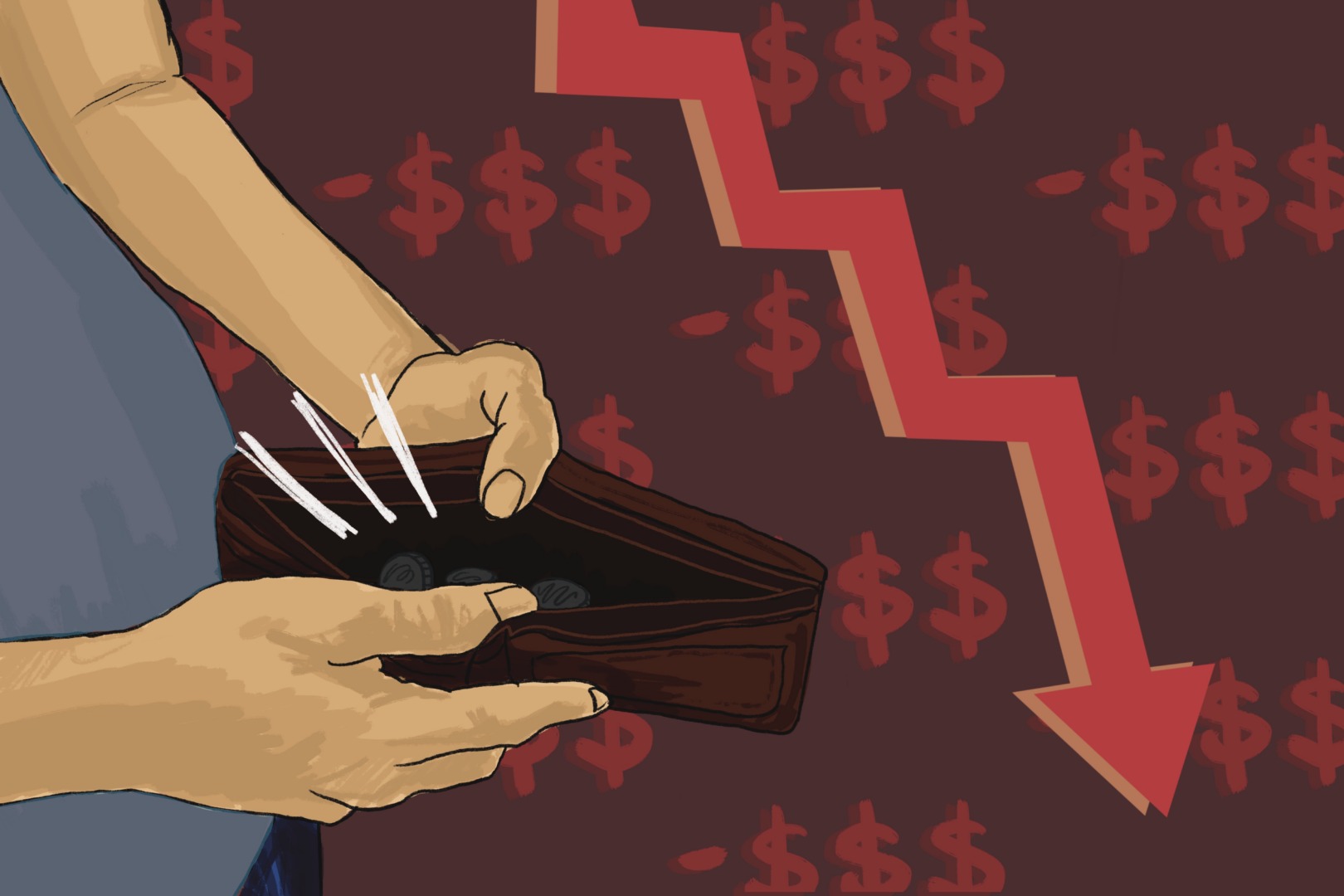
Being broke in college has become so normalized it’s almost expected or part of “the college experience.” Students joke about surviving off instant ramen, checking bank accounts before every purchase, being in crippling credit card debt and counting down the days until the next paycheck hits.

What was once a temporary struggle for a handful of college students has now become something much bigger. As tuition, rent, groceries and other everyday expenses continue to rise, students are no longer just carefully budgeting. Instead, they’re constantly trying to stay ahead financially, but often find themselves falling behind.

For years, financial hardships in college have been framed as an issue of students’ responsibility. You should budget better, work more hours, cancel that subscription, stop buying coffee etc. 

But that shouldn’t be the issue we focus on as affordability becomes a nationwide conversation. Instead of focusing on whether students are managing money correctly, we should focus on how much college costs can students actually control?

Texas tuition freeze

Last month, Gov. Greg Abbott issued a directive mandating all public Texas colleges and universities to freeze undergraduate tuition and mandatory fees through the 2026-27 academic year. 

This applies to all public two and four-year institutions, extending a policy Texas has kept since 2023. State leaders also approved an extra $328 million in student financial aid funding meant to improve access for eligible students.

On paper this sounds relieving and exactly what students have been asking for. To an extent it is, but tuition is no longer the only expense we can’t afford. Housing, textbooks, parking permits, gas and groceries really add up.

Withholding tuition increases offers a relief in a time when many students feel priced out of higher education. But it’s also not the only expense to worry about. Students today are paying for a whole lifestyle that’s attached to education.

Living expenses have become the biggest financial burden for many students. Whether it’s rent, commuting to campus in an effort to save money or paying for everyday necessities, the costs of simply attending college continue to grow.

A tuition freeze removes one financial burden, but it doesn’t erase the many others students still face. The only way for students to respond is by getting a job or picking up extra shifts. 

Working in college is not unusual but also not ideal. Balancing full-time enrollment and extra shifts means less time studying, networking and sometimes even sleeping. The expectation that students should just “work harder” neglects the fact that college itself is already a full time commitment.

When affordability becomes political

Aside from these already pressing issues, Abbott’s tuition freeze is something much more political.

Financial issues in college have progressively become more of an economic issue than solely an individual issue. The State’s argument is clear: lower costs to open more opportunities for Texans to earn degrees, enter the workforce sooner and support long-term growth. Abbott has painted affordability necessary to prepare workers and preserve the state’s economy.

But tuition freeze alone will not set aside the rising costs universities still face such as maintenance, staffing and infrastructure expenses. 

If universities are not able to raise tuition and state funding does not keep pace with both inflation and enrollment demands, institutions need to look elsewhere to reduce costs and make up the difference.

This is where students are often trapped between these two issues. A lower tuition matters but so does understaffed advising offices, class availability and campus services. Students should still be able to access this support without worrying about drowning in debt.

Broke shouldn’t be a part of the experience

Of course, being financially responsible is part of adulthood, most students understand that, but this constant financial instability should not be.

Students should not have to choose between buying required class materials or picking up enough work hours that college starts to feel like a side quest. The fact that affordability is no longer just a budgeting problem but now a statewide political issue should strike more attention than it currently does.

Being broke in college shouldn’t be “proof” that we’re doing college correctly. Because if students continue to spend more time worrying about affording college than actually experiencing it, the stereotype is no longer funny and becomes a serious crisis.

A tuition freeze is a meaningful step, but it shouldn’t be mistaken for a complete solution. Until the full cost of attending college becomes more manageable, students will continue spending more time figuring out how to pay for college than actually experiencing it.

Being broke shouldn’t be part of the college experience. It should be a problem we’re working to solve.

opinion@thedailycougar.com

—
“Being broke shouldn’t be part of college” was originally posted on The Cougar

Posted in UncategorizedComments Off on Being broke shouldn’t be part of college

Beyond the pitch: The World Cup’s border problem

Lily Huynh/The Cougar

The FIFA World Cup markets itself as “the world game,” bringing people of all cultures together from around the globe. The 2026 World Cup is being hosted by the United States, Mexico and Canada. But as we kick off the first week, questions arise following immigration and visa issues affecting both teams and fans.

This year’s tournament is the largest in FIFA history, featuring 48 teams and 104 matches across 16 iconic cities, attracting millions of international visitors. 

Unlike past tournaments held primarily in one country, the three-nation format opens further challenges. Teams, staff, media personnel and fans will traverse international borders, multiple immigration systems, entry requirements and visa processes.

For a tournament built on the promise of global unity, coordinating three separate border policies has proven to be an administrative nightmare. 

While North American fans anticipate the historic matches, foreign teams are finding that their toughest challenge isn’t on the field but at the airport gate.

Global competition meets national borders

In June, multiple members of Iraq’s national team were detained and held for questioning upon entering the United States. Iraq’s top striker Ayman Hussein was detained and questioned for around seven hours upon arrival in Chicago. Following the incident, Hussein said, “Why is America hosting the World Cup if it is so hostile to foreign nationals?”

Supporters have raised concerns and criticisms as they question how immigration procedures will affect teams from countries facing heavy examination at U.S. borders. 

Entry issues have not been limited to players only. Iraqi team photographer Talal Salah was also questioned for 10 hours, underwent phone checks and was still denied entry into the country. 

Entry determines participation

Also unable to participate is Somali referee Omar Artan after complications entering the United States despite traveling with a diplomatic passport. 

Artan was set to make history as the first Somali referee to officiate a men’s World Cup match. Instead, he was declined at Miami International Airport and flown back to Istanbul. 

FIFA has recently agreed to fully compensate Artan’s commitments at the World Cup, though the exact number is still undetermined as they look at what would have been Artan’s assignments. 

While a financial settlement covers his professional contract, it cannot replace the monumental career achievement that was taken away by border enforcement.

Unequal access

Iran has also faced restrictions as 15 members of the team’s staff were denied visas ahead of tournament travel. Because many of Iran’s matches take place in the United States, they are faced with challenges beyond attendance.

Arrangements were made that allowed Iran’s team to stay in Mexico and travel into the United States for matches rather than remaining in the country.

This workaround keeps the team in the competition but forces them to endure exhausting travel between match days while others rest comfortably and remain game ready.

More than a competition

FIFA has long presented the tournament as a symbol of international connection, yet immigration barriers are playing a big role in determining who can participate.

Of course visa processing and border enforcement remain important matters of national security in the United States regardless of the event. However these policies do conflict with the image the World Cup heavily promotes. 

Additionally, ICE will be present at World Cup matches but Trump administration Border Czar Tom Homan says “Their primary focus will be security, not immigration arrests.” But when politics enters the game, it creates barriers for an event meant to unite countries through soccer, excluding the very people who make it the World Cup.

Through all of this FIFA has remained focused on tournament coordination and works “behind the scenes” to find solutions. They have said that they are not involved in host country immigration processes and that the host governments are to ultimately determine visa decisions.

As FIFA brings the world together, crossing borders has become part of the competition for many.

As FIFA works to bring the world together through sport, crossing borders has become part of the competition for many. The World Cup has always been about more than soccer. It is a celebration of cultures, nations and the people who travel thousands of miles to support them.

Opinion@thedailycougar.com

—
“Beyond the pitch: The World Cup’s border problem” was originally posted on The Cougar

Posted in UncategorizedComments Off on Beyond the pitch: The World Cup’s border problem

Pressure on artists is killing authenticity

Lily Huynh/The Cougar

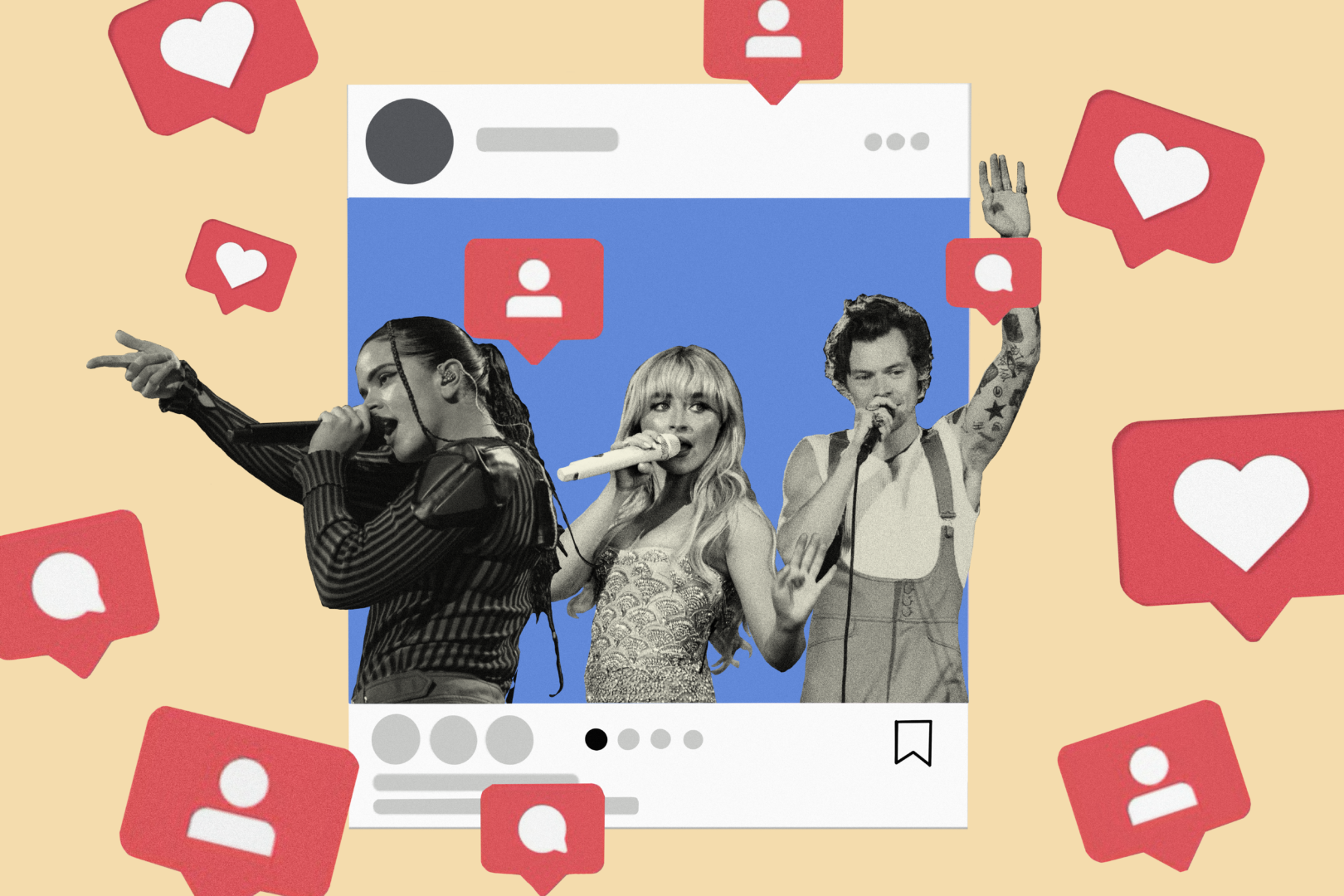
It’s never been easier to feel connected to artists. With constant updates, behind-the-scenes content and direct interaction, fans now have more access than ever before. But that access comes at a cost.

In today’s social media-driven world, artists are no longer just creators; they are also being pushed to be influencers. Because of this exposure, fans’ expectations have grown more demanding.

As they struggle to distance themselves from their personal brand, it becomes harder for them to create unique art. For years, many artists have held back parts of their creativity just to meet their audience’s needs and maintain success.

Platforms like TikTok and Instagram push artists to constantly post, interact and show pieces of their everyday lives.

They are no longer seen just for their work but also for how “real” they seem online. While this can help build a connection, it also puts pressure on the creator to hold an authentic image at all times.

As a result, artists focus more on how they’re perceived by their audience and not what they actually want to create.

When artists create for themselves 

A prime example of this is Rosalía’s newest album, “LUX.” This album doesn’t follow a set standard; it feels like it was created to fulfill a personal need.

She doesn’t ask her fans what they want to hear from her or if her music is acceptable to them. Instead, she creates what she wants, blending languages, sounds and influences from around the world. Because of this, her work feels more genuine.

Harry Styles is another great example. After finishing his “Love on Tour,” he took a break from songwriting and performing. In a Times interview, Styles reflects on how it felt to slow down after the tour. He said stepping away from public attention allowed for a period of reflection and identity.

Now that he’s returned with his new album “Kiss All the Time. Disco, Occasionally,” his music feels more intentional and complex. Styles created something that met his own expectations instead of prioritizing the audience.

In both cases, distance from constant visibility allowed space for more genuine creation. But stepping back isn’t always an option.

The cost of being relatable

Many may believe that having a strong social media presence is necessary. It helps promote music, build a following and ultimately create a deeper connection between the artist and their fans.

While this is true, it can also lead artists to lose themselves. They begin to question their work and whether it’s genuinely them or a version created for the audience.

After the success of her album “Short n’ Sweet,” Sabrina Carpenter started to lean into a more provocative and bold version of herself with her latest album release, “Man’s Best Friend.”

This new era of hers may be something she’s genuinely exploring, but it also raises the question of whether it’s being continued for the fans or because the fans strongly respond to it. 

Her performances feel very intentional and carefully crafted, almost as if they’re telling a continuous story. Because of this, it feels like she is having a lot of fun with this era, but it may not last forever.

Over time, that cycle can become limiting. When artists prioritize relatability and audience approval, they risk creating work that feels safe instead of personal. The more they try to maintain a connection, the more they can lose the individuality that made their work stand out in the first place.

What audiences gain in connection, they often lose in authenticity.

Opinion@thedailycougar.com

—
“Pressure on artists is killing authenticity” was originally posted on The Cougar
Posted in UncategorizedComments Off on Pressure on artists is killing authenticity

Pressure on artists is killing authenticity

Lily Huynh/The Cougar

It’s never been easier to feel connected to artists. With constant updates, behind-the-scenes content and direct interaction, fans now have more access than ever before. But that access comes at a cost.

In today’s social media-driven world, artists are no longer just creators; they are also being pushed to be influencers. Because of this exposure, fans’ expectations have grown more demanding.

As they struggle to distance themselves from their personal brand, it becomes harder for them to create unique art. For years, many artists have held back parts of their creativity just to meet their audience’s needs and maintain success.

Platforms like TikTok and Instagram push artists to constantly post, interact and show pieces of their everyday lives.

They are no longer seen just for their work but also for how “real” they seem online. While this can help build a connection, it also puts pressure on the creator to hold an authentic image at all times.

As a result, artists focus more on how they’re perceived by their audience and not what they actually want to create.

When artists create for themselves 

A prime example of this is Rosalía’s newest album, “LUX.” This album doesn’t follow a set standard; it feels like it was created to fulfill a personal need.

She doesn’t ask her fans what they want to hear from her or if her music is acceptable to them. Instead, she creates what she wants, blending languages, sounds and influences from around the world. Because of this, her work feels more genuine.

Harry Styles is another great example. After finishing his “Love on Tour,” he took a break from songwriting and performing. In a Times interview, Styles reflects on how it felt to slow down after the tour. He said stepping away from public attention allowed for a period of reflection and identity.

Now that he’s returned with his new album “Kiss All the Time. Disco, Occasionally,” his music feels more intentional and complex. Styles created something that met his own expectations instead of prioritizing the audience.

In both cases, distance from constant visibility allowed space for more genuine creation. But stepping back isn’t always an option.

The cost of being relatable

Many may believe that having a strong social media presence is necessary. It helps promote music, build a following and ultimately create a deeper connection between the artist and their fans.

While this is true, it can also lead artists to lose themselves. They begin to question their work and whether it’s genuinely them or a version created for the audience.

After the success of her album “Short n’ Sweet,” Sabrina Carpenter started to lean into a more provocative and bold version of herself with her latest album release, “Man’s Best Friend.”

This new era of hers may be something she’s genuinely exploring, but it also raises the question of whether it’s being continued for the fans or because the fans strongly respond to it. 

Her performances feel very intentional and carefully crafted, almost as if they’re telling a continuous story. Because of this, it feels like she is having a lot of fun with this era, but it may not last forever.

Over time, that cycle can become limiting. When artists prioritize relatability and audience approval, they risk creating work that feels safe instead of personal. The more they try to maintain a connection, the more they can lose the individuality that made their work stand out in the first place.

What audiences gain in connection, they often lose in authenticity.

Opinion@thedailycougar.com

—
“Pressure on artists is killing authenticity” was originally posted on The Cougar

Posted in UncategorizedComments Off on Pressure on artists is killing authenticity