
Author Archives | Yocelin Real

Midterm elections matter: What UH students need to know

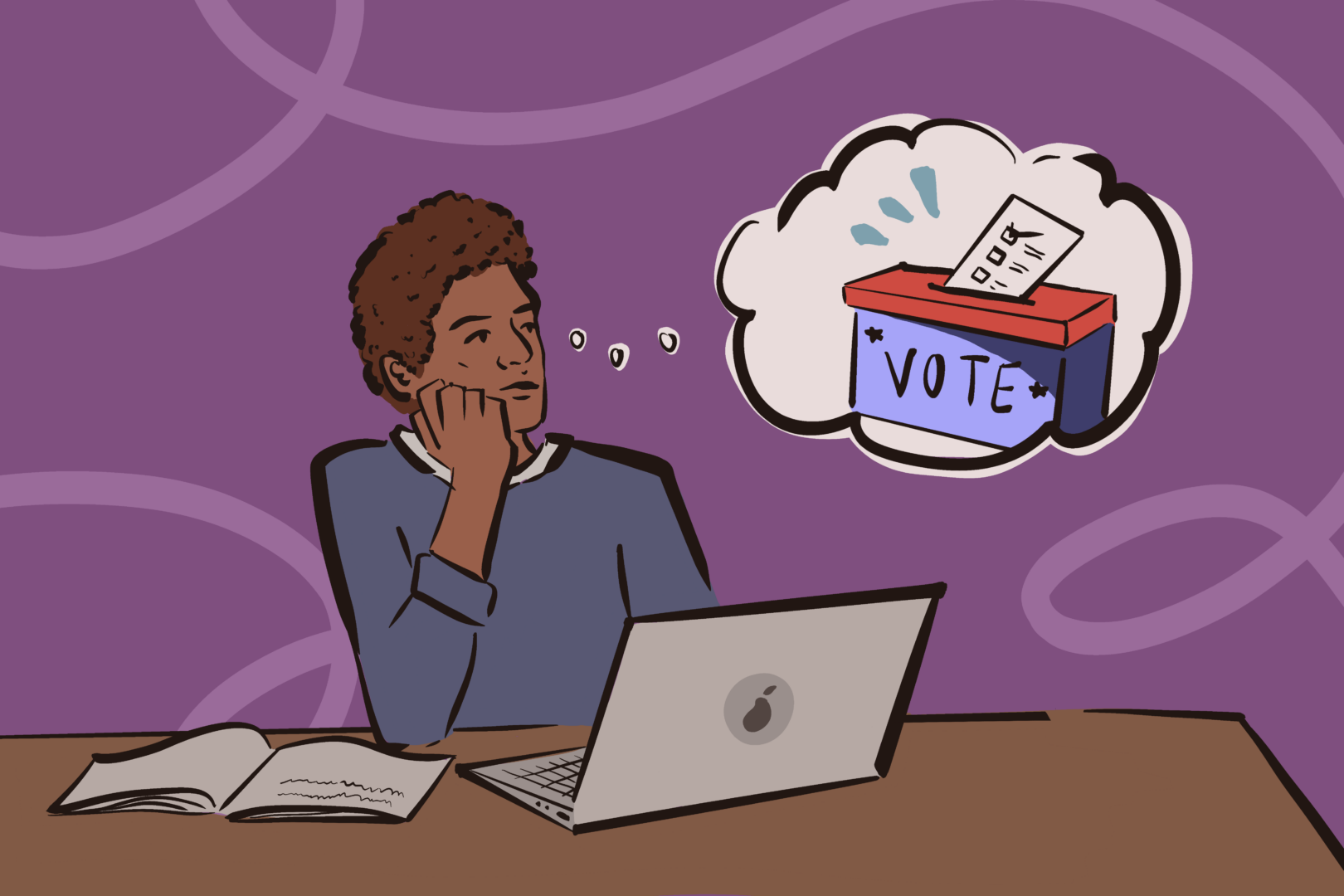
Lily Huynh/The Cougar

It’s hard to believe that the presidential election was less than two years ago, yet here we are again preparing for another one. 

Midterm elections often don’t receive the same publicity, campaign rallies and continuous coverage as the presidential election, but their results are equally significant.

With less than three months until Nov. 3, voting is not just needed, but vital.

What’s at stake

Unlike presidential elections that select the next head of state, midterms decide which party controls Congress.

As of this term, Republicans hold a majority in both the House of Representatives and the U.S. Senate. All 435 House seats and 33 Senate seats will be on the ballot, possibly shifting the balance of power.

With President Donald Trump in office, the midterm results could affect how much of his agenda passes through Congress. This will further correlate to how they may respond to his policies.

Because Congress is currently controlled by a Republican party aligned with Trump, the administration has greater congressional support for carrying out its agenda. However, a Congress controlled by a Democratic party could create a different balance of power and provide more oversight.

Election rules are changing

Beyond congressional control, the current administration has sought to change how federal elections are managed. 

In March, Trump signed an executive order aiming to change procedures behind federal elections. This order proposed states use federal information to verify that registered voters are U.S. citizens and suggested new rules for mail-in voting.

His administration says these measures are planned to protect election integrity and stop those who are ineligible from voting.

These changes have met legal challenges and federal courts have since blocked central parts of the order.

Recently, a nationwide injunction was issued to stop key provisions of the administration’s mail voting rules ahead of the midterms. To which the Trump administration has requested the Supreme Court’s intervention.

U.S. District Court Judge, Denise Casper has also prevented implementation of a suggested citizenship verification requirement that would have required voters to show proof of U.S. citizenship when registering to vote.

A guide for UH voters

This legal back and forth is why students should remain informed and pay close attention.

First, make sure to check your voter registration. Texas requires eligible voters to register 30 days before Election Day, leaving the deadline on Oct. 5. If you have moved since the last election, double-check your address. Make sure all your information is up to date before Election Day.

Once that is in order, familiarize yourself with your ballot. VOTE411 is a useful source that will help you see what’s on the ballot. It allows you to research candidates and overall calm your nerves before arriving at the polls.

Finally, make a plan for when and where you’ll vote.

As a student, making time between classes and work can be hectic. So make sure to find your nearest polling location before Election Day so you can plan your schedule accordingly.

Your vote matters 

So as we reach the final months before midterm elections, take time to check your registration, know your ballot and map out a plan to vote. The presidential election may feel like it happened yesterday, but the political landscape continues to change.

Students do not need to be political experts to participate, but they do need to be informed. Midterms may not have a presidential race at the top of the ballot, but they will determine who influences the remaining two years.

Every vote made by a Cougar is a critical one.

opinion@thedailycougar.com

—
“Midterm elections matter: What UH students need to know” was originally posted on The Cougar

Posted in UncategorizedComments Off on Midterm elections matter: What UH students need to know

Midterm elections matter: What UH students need to know

Lily Huynh/The Cougar

It’s hard to believe that the presidential election was less than two years ago, yet here we are again preparing for another one. 

Midterm elections often don’t receive the same publicity, campaign rallies and continuous coverage as the presidential election, but their results are equally significant.

With less than three months until Nov. 3, voting is not just needed, but vital.

What’s at stake

Unlike presidential elections that select the next head of state, midterms decide which party controls Congress.

As of this term, Republicans hold a majority in both the House of Representatives and the U.S. Senate. All 435 House seats and 33 Senate seats will be on the ballot, possibly shifting the balance of power.

With President Donald Trump in office, the midterm results could affect how much of his agenda passes through Congress. This will further correlate to how they may respond to his policies.

Because Congress is currently controlled by a Republican party aligned with Trump, the administration has greater congressional support for carrying out its agenda. However, a Congress controlled by a Democratic party could create a different balance of power and provide more oversight.

Election rules are changing

Beyond congressional control, the current administration has sought to change how federal elections are managed. 

In March, Trump signed an executive order aiming to change procedures behind federal elections. This order proposed states use federal information to verify that registered voters are U.S. citizens and suggested new rules for mail-in voting.

His administration says these measures are planned to protect election integrity and stop those who are ineligible from voting.

These changes have met legal challenges and federal courts have since blocked central parts of the order.

Recently, a nationwide injunction was issued to stop key provisions of the administration’s mail voting rules ahead of the midterms. To which the Trump administration has requested the Supreme Court’s intervention.

U.S. District Court Judge, Denise Casper has also prevented implementation of a suggested citizenship verification requirement that would have required voters to show proof of U.S. citizenship when registering to vote.

A guide for UH voters

This legal back and forth is why students should remain informed and pay close attention.

First, make sure to check your voter registration. Texas requires eligible voters to register 30 days before Election Day, leaving the deadline on Oct. 5. If you have moved since the last election, double-check your address. Make sure all your information is up to date before Election Day.

Once that is in order, familiarize yourself with your ballot. VOTE411 is a useful source that will help you see what’s on the ballot. It allows you to research candidates and overall calm your nerves before arriving at the polls.

Finally, make a plan for when and where you’ll vote.

As a student, making time between classes and work can be hectic. So make sure to find your nearest polling location before Election Day so you can plan your schedule accordingly.

Your vote matters 

So as we reach the final months before midterm elections, take time to check your registration, know your ballot and map out a plan to vote. The presidential election may feel like it happened yesterday, but the political landscape continues to change.

Students do not need to be political experts to participate, but they do need to be informed. Midterms may not have a presidential race at the top of the ballot, but they will determine who influences the remaining two years.

Every vote made by a Cougar is a critical one.

opinion@thedailycougar.com

—
“Midterm elections matter: What UH students need to know” was originally posted on The Cougar

Posted in UncategorizedComments Off on Midterm elections matter: What UH students need to know

Daisy Chain Fields is more than a festival

Lily Huynh/the Cougar

Daisy Chain Fields is more than a festival

Olivia Rodrigo’s festival debut, Daisy Chain Fields, has quickly become more than just a music festival. 

From its highly anticipated lineup and strategic marketing to community-filled spaces, almost every part of the festival has a purpose. 

The most vital aspect of the festival were the millions of donations toward nonprofits.

Creating the experience

The festival took place on August 29 at Great Park in Irvine, California. Around 45,000 people attended.

It featured an all-women lineup, gathering artists from different genres and generations. Special guests Stevie Nicks and Sarah McLachlan also made an appearance, joining Rodrigo during her closing set.

But the anticipation for the festival started long before attendees even entered the festival grounds.

Rodrigo strategically built a series of pop-ups and collabs leading up to the festival. These activities gave fans a way to interact with the event itself and made the one-day festival feel much more like an experience and not just another concert.

Raising awareness

All of the proceeds from the festival went towards nonprofit organizations focusing on advancing and advocating for women. 

Before the festival officially started, Rodrigo announced that $10 million was raised for its nonprofit partners. After the event, she raised up to $20 million when Melinda French Gates matched Rodrigo’s donations.

These organizations were present at the festival through various activities designed to connect listeners with their work, allowing fans to learn about the causes.

Platform with a purpose

Daisy Chain Fields shows the influence artists can have when they build something beyond just their performances.

Rodrigo has also already confirmed that the festival will return next year, giving her yet another opportunity to build on the movement she has started.

She could have chosen to create a festival centered around her music only. Instead, she chose to use her platform as an opportunity to not only bring artists and fans together but also support organizations working to create change.

The festival’s success does not mean that every concert should become a political movement, but it does show what all is possible when an artist uses their attention to create something beyond the stage.

Daisy Chain Fields may have lasted one day, but its impact will last decades.

opinion@thedailycougar.com

—
“Daisy Chain Fields is more than a festival” was originally posted on The Cougar

Posted in UncategorizedComments Off on Daisy Chain Fields is more than a festival

Your schedule needs room for you, too

For many students, burnout doesn’t typically begin on the first day of class; it starts creeping in before then. There’s already a long list of things to get done before ever stepping foot in a classroom. Syllabi need to be reviewed, transportation routes planned and school payments arranged. Add work, organizations and maintaining a social life into the mix and suddenly it can feel like the semester started before you even set foot on campus.


It is easy to get caught up in the chaos of back-to-school season and feel like you need to do everything at once. But starting a new semester also means knowing when to slow down and prioritize your mental health and personal time. Being busy doesn’t always mean being productive and overcommitting yourself can quickly turn excitement for a new semester into exhaustion.

Always make space

All these tasks take up more mental space than expected. On their own, they may not seem difficult, but when piled together, they can feel overwhelming really fast. 

After classes start, the list only gets longer, leaving students to constantly balance academics with everything outside the classroom. But that doesn’t mean students should stop being involved.

If done right, being busy can make college exciting. Joining an organization, having a job you enjoy and going to events can be some of the best parts of college. The problem comes when there’s no time left to take a break. 

It’s important that students don’t stretch themselves too thin just to feel like they’re making the most out of college. Rest should not have to be a reward. Realistically, the list is never going to end.

Making space for yourself should be an essential part of your schedule, not something squeezed in whenever there’s time.

Finding a balance

Finding balance doesn’t necessarily mean doing less; sometimes, it just means being more intentional with your time. Looking ahead at your syllabi and adding major assignments and exams to your calendar can help you prepare for busy weeks instead of scrambling to keep up once they arrive.

But planning ahead shouldn’t only mean making time for school. Make room for yourself on that calendar, too. That can be as simple as eating lunch with a friend, going to the gym, watching a movie or sitting somewhere that lets you forget about your next assignment for a little while.

Taking that time away isn’t being unproductive. When you come back, you may find yourself more focused and able to recall information more easily. Giving your brain a break can reduce stress and provide the mental reset you need to return to your responsibilities with a clearer mind.

The semester ahead

The first week of classes may be over, but the semester is just getting started. There will be unexpected assignments, busy weeks and days when your schedule doesn’t go according to plan.

That’s part of the college experience, but making the most of college does not mean filling every minute until there’s no room for yourself. Our schedules can fill up more quickly than we can keep up, but the goal isn’t to have a perfect plan. It’s to build one that allows you to live a little less burned out.

Sometimes, doing less allows you to give more attention to the responsibilities that actually matter. It’s better to have a manageable schedule and do things well than stretch yourself too thin and struggle to give anything your best effort.

opinion@thedailycougar.com

—
“Your schedule needs room for you, too” was originally posted on The Cougar

Posted in UncategorizedComments Off on Your schedule needs room for you, too

Texas heat is changing, AI is part of the reason

Hailey Nguyen / The Cougar

Texas has always been known for its hot summers. Long days by the river, sweat-soaked afternoons and jokes about frying eggs on the pavement have become routine for us. 

We expect the heat, but what we didn’t anticipate is the record-breaking heat returning every summer. The mugginess is lasting longer, nights are staying warmer and all-time highs continue to break. 

It’s no longer just “normal Texas weather.” It is part of a larger pattern.

The hidden cause

Climate patterns have always fluctuated, but today’s extreme heat is becoming increasingly common. Texas is feeling these effects firsthand as summer temperatures reach dangerous levels frequently.

Even though weather patterns play a natural role, scientists agree that human-caused greenhouse gas emissions are driving heat waves to be more severe. One of the newest contributors to rising energy demand is artificial intelligence.

Often unnoticed by many of its users, AI has become a part of everyday life. Businesses rely on it to increase productivity, students utilize it to brainstorm ideas and millions of people use it to generate images.

What users may not realize is that every prompt is processed in massive data centers that consume enormous amounts of electricity. As a result, AI facilities require volumes of water for evaporative cooling to keep their servers operating smoothly.

Although AI is not the sole cause of climate change, it is certainly expanding the world’s carbon and energy footprint.

As tech companies race to build the newest model and add new features, energy demand continues to grow. In Texas, data centers are being built rapidly, placing additional strain on the state power grid managed by the Electric Reliability Council of Texas, powered by fossil fuels.

Finding innovative solutions

AI is marketed as the future that helps people work faster and solve complex problems. Although true, the infrastructure supporting the technology carries high environmental costs that are often overlooked. 

As companies race to develop the next generation of AI, they must prioritize new technologies to help conserve energy and reduce its environmental impact. Investing in renewable microgrids and waterless cooling systems for their data centers could help reduce unnecessary strain on the environment and transition toward clean infrastructure.

Without cleaner, more efficient infrastructure, AI’s continued growth could contribute significantly to climate change. As AI’s energy demands continue to grow alongside other sources of emissions, the consequences become increasingly visible in Texas.

The ecological toll

These extreme temperatures extend far beyond discomfort. They affect almost every part of our daily lives. 

Outdoor workers face the greatest risk of heat exhaustion and heatstroke. Those with medical conditions become more vulnerable during these prolonged heat waves. Even healthy individuals experience dehydration, fatigue and respiratory problems as high temperatures coincide with poor air quality.

Recovering from these long summer days has also become more difficult as nighttime temperatures continue to rise.

Instead of cooling off overnight, many remain trapped in dangerously high temperatures, causing continuous stress on the body. For families without reliable air conditioning or struggling with rising electricity costs, these conditions become more than inconvenient, they become a direct threat.

Wildlife is also at risk. Unlike humans, they cannot simply escape to air-conditioned buildings. As water sources shrink, droughts intensify and animals struggle to find basic resources. 

Fish populations can decline as shallow lakes and rivers become too warm. Pollinators face habitat loss and heat stress, threatening the ecosystems that depend on them. Even native Texas species adapted to the heat are being pushed past their limits.

The environmental effects create a chain reaction. When wildlife begins to struggle, ecosystems become more fragile. Predators lose prey, plants lose pollinators and landscapes become more prone to wildfires and droughts. 

What may start as another hot summer can quickly reshape entire ecosystems.

Choose action

It is true that Texas has always experienced extreme weather, but the difference today is the intensifying frequency of these events. Records are being challenged every year, no longer just every few decades. 

Scientists have warned for years that climate change would result in longer, more frequent heat waves and that has already become our reality. We complain about the heat, but actually addressing it requires government action, corporate responsibility and individual compliance.

Making sustainable choices like supporting environmentally responsible businesses, advocating for clean energy alternatives and recognizing that new technology comes with environmental trade-offs is a good place to start.

Texans have become resilient to the heat, but that should not mean accepting dangerously hot summers as routine.  AI isn’t solely responsible for these changes, but its rapidly growing demand for electricity highlights the difficult balance between technological progress and environmental sustainability.

The rising temperatures are a clear warning. It’s no longer just another hot Texas summer. It is evidence of a world that demands attention before today’s record-breaking climate becomes tomorrow’s baseline.

opinion@thedailycougar.com

—
“Texas heat is changing, AI is part of the reason” was originally posted on The Cougar

Posted in UncategorizedComments Off on Texas heat is changing, AI is part of the reason