
Author Archives | Rion Lomax

Student loan restrictions could put arts education out of reach

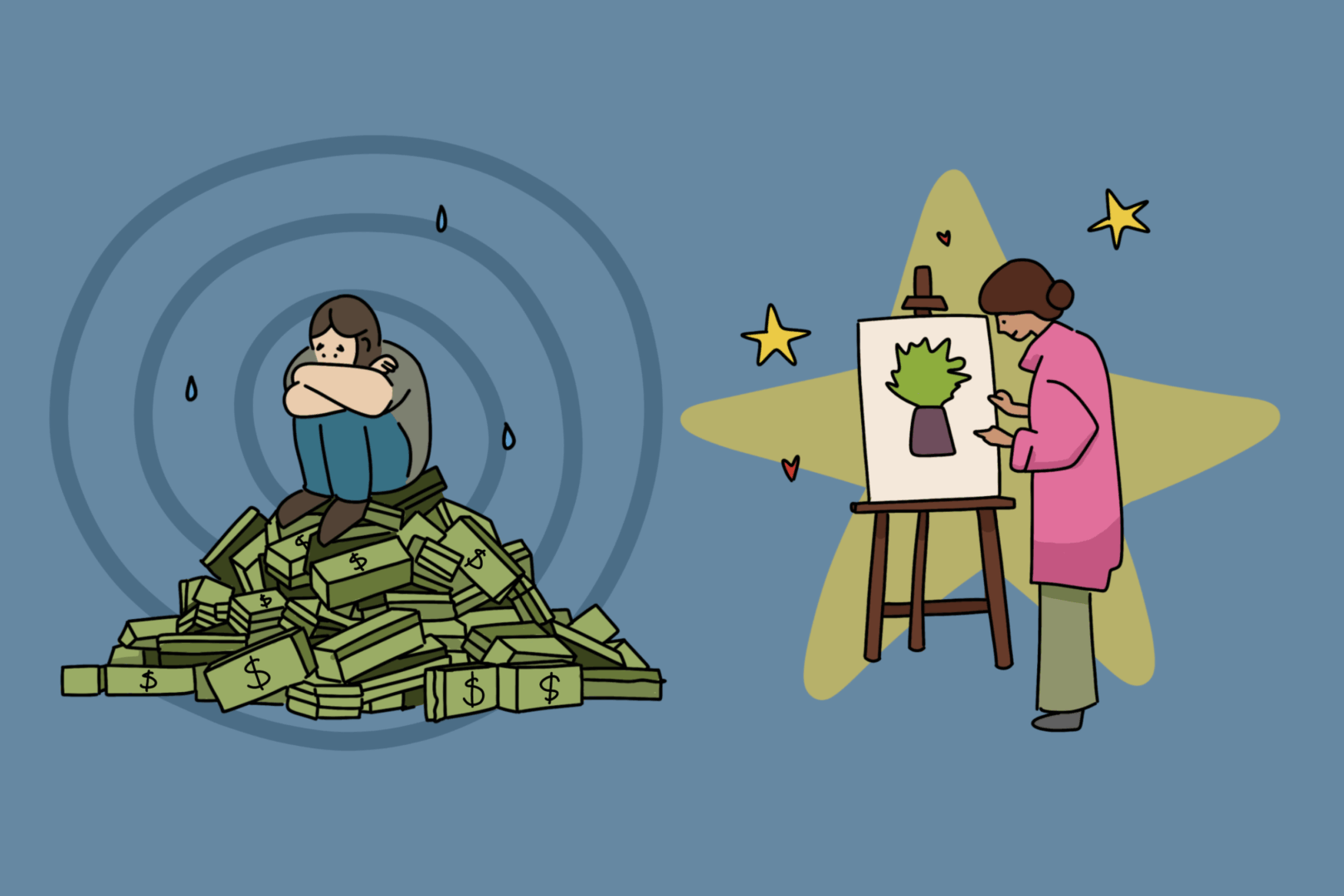
The U.S. Department of Education announced plans to cut federal student loans for students pursuing degree plans that result in lower average post-graduation incomes. These plans are set to take effect in July 2027 and coincide with changes to student loan policies for degrees not considered “professional.”

Programs in fields such as music, social work and religious studies have raised concerns about how earnings-based standards could affect access to federal student aid. Although these programs will still be available across college campuses, lower-income students who cannot afford to attend university without federal loan assistance will find it harder to pursue these fields of study, thereby limiting access to them. 

The idea behind these loan cuts is that the Department of Education believes colleges should face consequences when their programs leave graduates with poor financial outcomes. 

However, evaluating programs primarily through graduates’ earnings risks overlooking the social and cultural value of professions that do not traditionally offer high salaries.

The cost of limiting access

Although careers in these fields, on average, offer lower incomes, their work is still in demand and necessary for society’s functioning. 

Cutting off access to these programs could leave these fields, many of which already face worker shortages, severely understaffed, as students who would typically fill these jobs are drawn to other fields of study just to afford an education. 

One concern is that reduced access to federal loans could make arts education increasingly difficult for students from lower-income backgrounds. As art programs become unaffordable for the majority of students to pursue — since three-fourths of students have taken out $20,000 or more in loans in the past 10 years to complete their schooling — students previously pursuing the arts are likely to move to more affordable fields of study. 

If fewer students can afford formal arts education, universities could lose opportunities to develop emerging artists, while students without financial resources may face greater barriers to creative careers.

According to Case Western Reserve University, “the study of arts and culture builds skills in innovation, critical thinking and creativity, while also teaching and inspiring society to form values, evaluate opinions and share similar emotions.”

Education is more than a paycheck

Restricting access to arts education could have consequences beyond individual students, potentially limiting opportunities for creative expression, cultural participation and innovation. When we remove the pursuit of creativity and the good of community from our society, what remains is a corporate world devoid of emotion, vulnerability and deep thought. 

Although graduates’ earnings are one way to measure the financial value of a degree, they do not fully capture the knowledge, creativity and contributions students bring to their communities. What truly matters is the knowledge students are gaining, their passion and drive for it and their ability to use their field of study to make the world a better place, regardless of how much they invest in it or how much they receive in return. 

Social workers, educators and artists contribute to communities in ways that are not always reflected in their salaries. If federal student loans make these fields possible, then the government owes it to the people of the United States to keep these programs accessible to all and to allow university students to pursue what truly interests them, regardless of the rate of return. 

opinion@thedailycougar.com

—
“Student loan restrictions could put arts education out of reach” was originally posted on The Cougar

Posted in UncategorizedComments Off on Student loan restrictions could put arts education out of reach

Student loan restrictions could put arts education out of reach

The U.S. Department of Education announced plans to cut federal student loans for students pursuing degree plans that result in lower average post-graduation incomes. These plans are set to take effect in July 2027 and coincide with changes to student loan policies for degrees not considered “professional.”

Programs in fields such as music, social work and religious studies have raised concerns about how earnings-based standards could affect access to federal student aid. Although these programs will still be available across college campuses, lower-income students who cannot afford to attend university without federal loan assistance will find it harder to pursue these fields of study, thereby limiting access to them. 

The idea behind these loan cuts is that the Department of Education believes colleges should face consequences when their programs leave graduates with poor financial outcomes. 

However, evaluating programs primarily through graduates’ earnings risks overlooking the social and cultural value of professions that do not traditionally offer high salaries.

The cost of limiting access

Although careers in these fields, on average, offer lower incomes, their work is still in demand and necessary for society’s functioning. 

Cutting off access to these programs could leave these fields, many of which already face worker shortages, severely understaffed, as students who would typically fill these jobs are drawn to other fields of study just to afford an education. 

One concern is that reduced access to federal loans could make arts education increasingly difficult for students from lower-income backgrounds. As art programs become unaffordable for the majority of students to pursue — since three-fourths of students have taken out $20,000 or more in loans in the past 10 years to complete their schooling — students previously pursuing the arts are likely to move to more affordable fields of study. 

If fewer students can afford formal arts education, universities could lose opportunities to develop emerging artists, while students without financial resources may face greater barriers to creative careers.

According to Case Western Reserve University, “the study of arts and culture builds skills in innovation, critical thinking and creativity, while also teaching and inspiring society to form values, evaluate opinions and share similar emotions.”

Education is more than a paycheck

Restricting access to arts education could have consequences beyond individual students, potentially limiting opportunities for creative expression, cultural participation and innovation. When we remove the pursuit of creativity and the good of community from our society, what remains is a corporate world devoid of emotion, vulnerability and deep thought. 

Although graduates’ earnings are one way to measure the financial value of a degree, they do not fully capture the knowledge, creativity and contributions students bring to their communities. What truly matters is the knowledge students are gaining, their passion and drive for it and their ability to use their field of study to make the world a better place, regardless of how much they invest in it or how much they receive in return. 

Social workers, educators and artists contribute to communities in ways that are not always reflected in their salaries. If federal student loans make these fields possible, then the government owes it to the people of the United States to keep these programs accessible to all and to allow university students to pursue what truly interests them, regardless of the rate of return. 

opinion@thedailycougar.com

—
“Student loan restrictions could put arts education out of reach” was originally posted on The Cougar

Posted in UncategorizedComments Off on Student loan restrictions could put arts education out of reach

First public execution in the US in nearly a century: A major step backwards

Hailey Nguyen/The Cougar

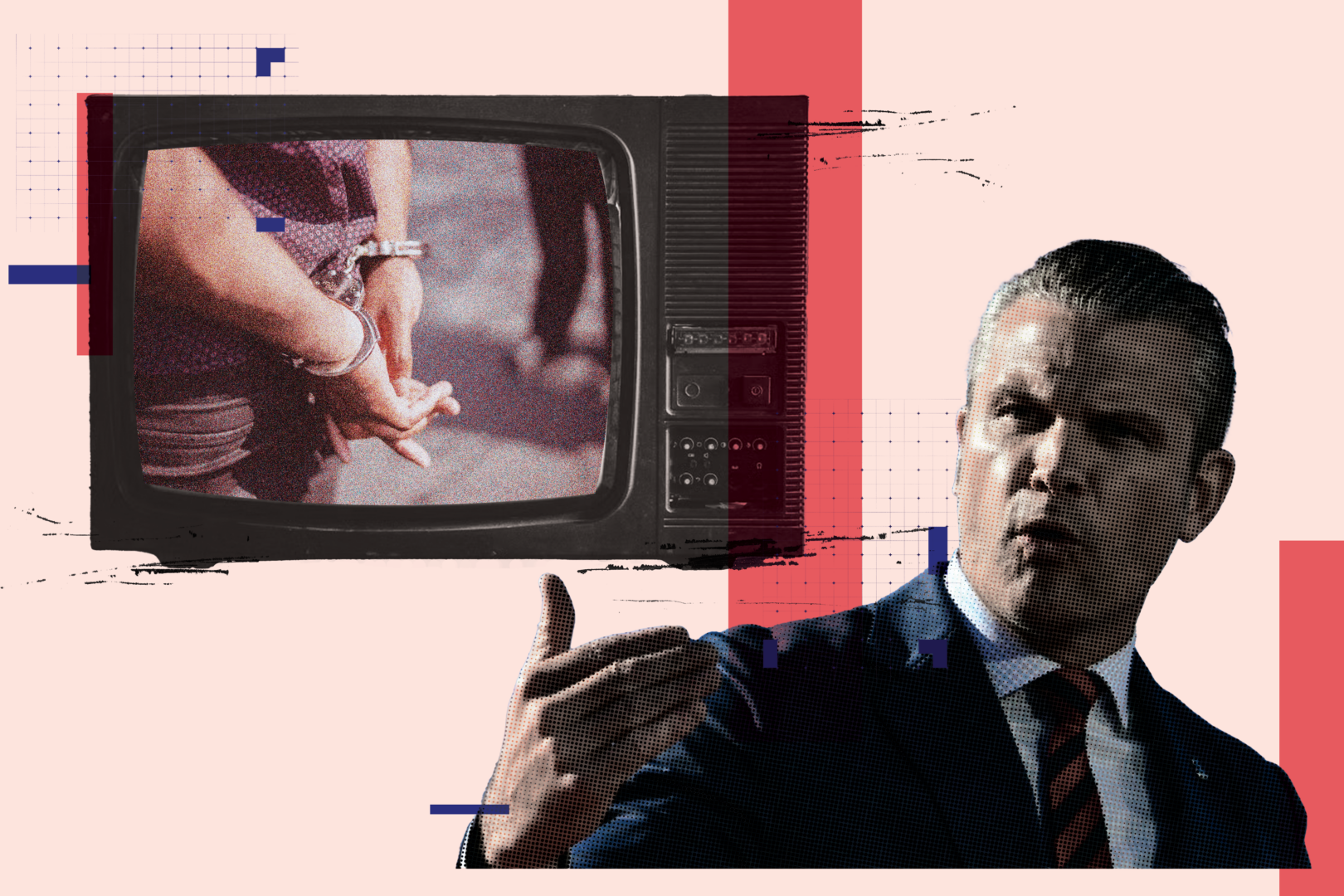
The Pentagon announced that Nidal Hisan — who killed 13 U.S. soldiers and injured 32 at the Fort Hood military base in 2009, will be executed by a military firing squad on Dec. 3, 2026. 

Controversial public executions 

As of Oct. 15, President Donald Trump has said that Hisan’s execution will no longer be livestreamed to the public, as was the original plan. Hisan’s execution would have been the first public one in the States since 1936 and the first ever to be officially livestreamed. This announcement has reignited the debate over death penalty, though support for it has been diminishing over time. 

Though capital punishment is legal in several U.S. states, the only method remaining in many is lethal injection, often considered a more “humane” method compared to the violence of military execution, electrocution or hanging. 

However, the failed execution of Christa Pike has raised more questions about the true place of capital punishment in today’s society, after she survived the lethal drug injection and was subsequently hospitalized.

Regardless of the public’s stances on the death penalty, Pike’s execution has grave implications for the risks of psychological and physical trauma as a result of capital punishment — suggesting that it becomes a form of inhumane torture should it fail  — disciplining the convicted in a way not agreed upon in a court of law.

Although these methods of capital punishment offer their own concerns, publicizing them becomes an entirely different issue. The only two nations known to have conducted public executions in the past year are Iran and Afghanistan, both under restrictive authoritarian rule. 

Americans deserve better 

The fact that live streaming Hisan’s execution was even a consideration presents major risks to American democracy. If the U.S. were to become like these other nations in this respect, it follows that it could very easily become like them in other respects and violate human rights. 

According to Associated Press News, Trump said live streaming Hisan’s execution would have served as a deterrent toward terrorism, implying that his administration is not opposed to doing something similar in the future.

Public executions send a very clear message that the government holds the authority to punish people as they see fit, to degrade and murder them with the entire nation watching. 

Hisan’s actions are in no way justified; they are absolutely immoral and worthy of punishment. However, do they warrant a continuation of a viciously violent cycle, his death by firing squad in front of the entire country? 

Though this administration has only been in place for two years, America was nearly transported back 90 years with the stroke of a pen.

Public execution in the U.S. may never be considered again, but if it is, it could be the start of authoritarian rule dominated by fear and the manipulation of the American people.

Americans deserve a better nation, one where the innocent are not killed on the streets and the guilty are not killed on live television. The government should bring the United States forward to meet the future, rather than drag us into the past.

opinon@thadailycougar.com

—
“First public execution in the US in nearly a century: A major step backwards” was originally posted on The Cougar

Posted in UncategorizedComments Off on First public execution in the US in nearly a century: A major step backwards

First public execution in the US in nearly a century: A major step backwards

Hailey Nguyen/The Cougar

The Pentagon announced that Nidal Hisan — who killed 13 U.S. soldiers and injured 32 at the Fort Hood military base in 2009, will be executed by a military firing squad on Dec. 3, 2026. 

Controversial public executions 

As of Oct. 15, President Donald Trump has said that Hisan’s execution will no longer be livestreamed to the public, as was the original plan. Hisan’s execution would have been the first public one in the States since 1936 and the first ever to be officially livestreamed. This announcement has reignited the debate over death penalty, though support for it has been diminishing over time. 

Though capital punishment is legal in several U.S. states, the only method remaining in many is lethal injection, often considered a more “humane” method compared to the violence of military execution, electrocution or hanging. 

However, the failed execution of Christa Pike has raised more questions about the true place of capital punishment in today’s society, after she survived the lethal drug injection and was subsequently hospitalized.

Regardless of the public’s stances on the death penalty, Pike’s execution has grave implications for the risks of psychological and physical trauma as a result of capital punishment — suggesting that it becomes a form of inhumane torture should it fail  — disciplining the convicted in a way not agreed upon in a court of law.

Although these methods of capital punishment offer their own concerns, publicizing them becomes an entirely different issue. The only two nations known to have conducted public executions in the past year are Iran and Afghanistan, both under restrictive authoritarian rule. 

Americans deserve better 

The fact that live streaming Hisan’s execution was even a consideration presents major risks to American democracy. If the U.S. were to become like these other nations in this respect, it follows that it could very easily become like them in other respects and violate human rights. 

According to Associated Press News, Trump said live streaming Hisan’s execution would have served as a deterrent toward terrorism, implying that his administration is not opposed to doing something similar in the future.

Public executions send a very clear message that the government holds the authority to punish people as they see fit, to degrade and murder them with the entire nation watching. 

Hisan’s actions are in no way justified; they are absolutely immoral and worthy of punishment. However, do they warrant a continuation of a viciously violent cycle, his death by firing squad in front of the entire country? 

Though this administration has only been in place for two years, America was nearly transported back 90 years with the stroke of a pen.

Public execution in the U.S. may never be considered again, but if it is, it could be the start of authoritarian rule dominated by fear and the manipulation of the American people.

Americans deserve a better nation, one where the innocent are not killed on the streets and the guilty are not killed on live television. The government should bring the United States forward to meet the future, rather than drag us into the past.

opinon@thadailycougar.com

—
“First public execution in the US in nearly a century: A major step backwards” was originally posted on The Cougar

Posted in UncategorizedComments Off on First public execution in the US in nearly a century: A major step backwards

Separating the art from the artist: Music has always been political

Hailey Nguyen/The Cougar

Olivia Rodrigo’s charity single release “Serena Joy,” and Macklemore’s removal from Ed Sheeran’s tour following political statements onstage beg the question: Is it possible to appreciate an artist’s work while disregarding its implications and the artist’s views?

In a nation where “cancel culture” has become the norm, drawing the line between the artist and the art becomes a gray area.

Throughout history, music has been a crucial part of pop culture and social movements. Musicians can use their art to spread ideas through a language that reaches audiences around the world: music.

Using their platform

Macklemore was set to perform at eight of Ed Sheeran’s remaining U.S. shows but was dropped from the tour after several venues threatened to cancel their shows if he remained in the lineup. This occurred following the rapper’s “Free Palestine” statements and his performance of the protest song “Hind’s Hall” regarding the war in Gaza.

According to Rolling Stone, Macklemore said that part of the reason he wanted to do this tour was to speak up about this issue on a larger scale. Macklemore said Sheeran “couldn’t get past his public-facing, ‘I don’t take sides.’”

Following backlash from other artists and social media users, Sheeran addressed the issue, saying that he could no longer separate his musical career from his political views. 

When it comes to war and devastation, refusing to “pick a side” perpetuates the issue by failing to bring it to light. Artists with large platforms should use their voices to bring attention to important causes rather than completely disconnecting their politics from their public personas.

The art of political expression

Artists often use their actual work as a form of protest and free speech. Olivia Rodrigo’s latest single “Serena Joy,” along with her charity concert, Daisy Chain Fields, gave her an outlet to express her stances. 

“Serena Joy” draws inspiration from Margaret Atwood’s “The Handmaid’s Tale,” in which the character Serena Joy advocates for the society that eventually oppresses her. According to The Oxford Student, “Serena Joy” is “about complicity: using your own freedom to support a system that restricts the freedom of others, while assuming you will remain protected from its consequences,” echoing Rodrigo’s lyric, “If they do it to them, they’ll do it to you.”

Rodrigo’s song acts as a form of protest. At the very least, it gives Rodrigo a way to express her political concerns about policies affecting women in the U.S.

Rodrigo’s popularity gives both the song and her charity concert a wide reach while bringing attention and support to organizations that protect people’s rights.

Music has long reflected the political state of the world. From the 1960s through the 1990s, songs addressed movements and political conflicts ranging from the civil rights movement to apartheid. In 1985, Artists United Against Apartheid released “Sun City,” which called on musicians not to perform in South Africa. The 1969 Woodstock Music and Art Fair also became associated with messages of peace and opposition to the ongoing Vietnam War.

When music meets politics

Politics and music have always been connected. Artists can harness their skills and platforms to spread political awareness on a larger scale.

The idea of “separating the art from the artist,” or disregarding an artist’s views in favor of their other, nonpolitical works, can draw attention away from the political issues artists intentionally address through their work. Ignoring these forms of political expression risks overlooking the issues artists are trying to bring into public conversation.

Music is political.  

opinion@thedailycougar

—
“Separating the art from the artist: Music has always been political” was originally posted on The Cougar

Posted in UncategorizedComments Off on Separating the art from the artist: Music has always been political