
Author Archives | Rion Lomax

The dark side of stand-up comedy

Isabella Nguyen/The Cougar

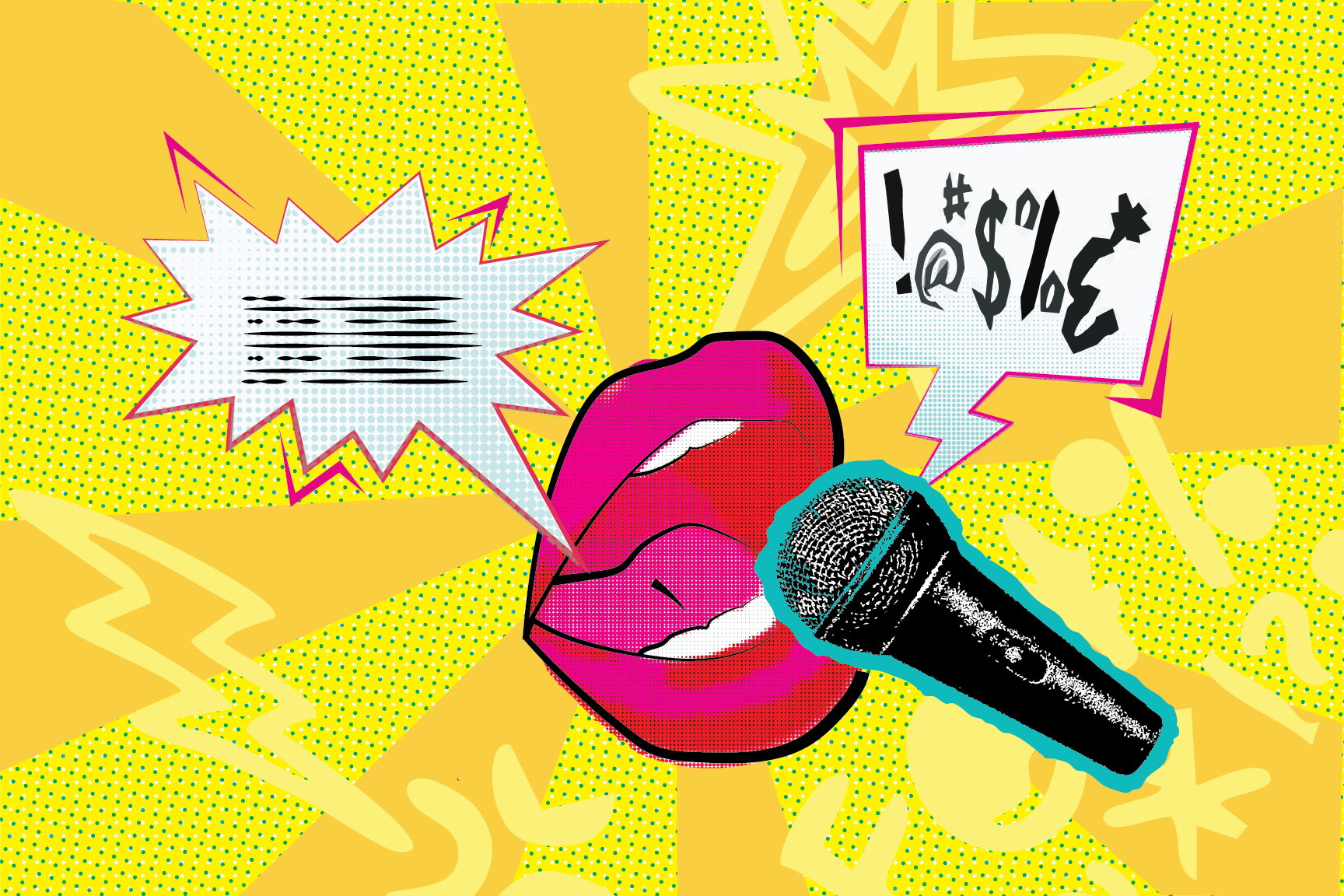
On Oct. 10, 2026, stand-up comedian Shane Gillis hosted the sketch comedy show “Saturday Night Live” for the third time. In his opening monologue, a “SNL” tradition, he joked, “I haven’t been to the gym in so long, I didn’t know women just dressed like whores now.”

Though Gillis has hosted the show twice before, he was set to become an official cast member back in 2019 until he was fired prior to his debut. Videos of him using anti-Asian slurs and making several other jokes rooted in racist stereotypes surfaced, receiving significant backlash online. 

Despite the fact that Gillis has a history of including misogyny and racism in his sets and was even fired from “SNL” previously, they still brought him back to host once again.

They allowed him to make these comments on live television, at a time when concerns about sexual violence against women are already being amplified by the “Cornell 7” lawsuit. 

Discrimination hiding behind a punchline

Gillis’ joke in his monologue was completely unnecessary. He used a derogatory, degrading term to describe women whom he has never met and whose clothing choices should have no effect on him. 

The fact that “SNL” writers enabled Gillis to degrade women on live television without consequence, despite his past offenses, perpetuates the idea that these kinds of comments are acceptable as long as they remain in a comedic context.

Audience members warranted this joke, with many of them laughing at the remark. Whether it was genuine or out of shock and discomfort, Gillis’ joke being commended tells us that he believes casual racism and misogyny are a source of comedy and at least a significant portion of the world believes so as well. 

Holding comedians accountable 

Regardless of the context they are made in, jokes rooted in discrimination hold the same weight for the groups targeted by them. 

To someone not included in the group, it may be a source of comedic relief, while for one in the group, it serves as a reminder of the way much of the world views them. Along with the stereotypical, derogatory beliefs still held about them to this day. 

In an ordinary social interaction, these kinds of remarks would be considered unacceptable, but in these performance settings, they’re seen as typical points for comedic punchlines. 

However, allowing comedians to push the limits like this, especially on live television, tells the rest of the world that these comments are okay, or even funny to make, bringing them into our everyday lives and conversations. 

If stand-up comedians continue to lack restraint in making these offensive remarks, they perpetuate the normalization of racism, of the objectification of women and misogyny. 

There needs to be greater consequences for these “jokes,” especially when they are broadcast live for the entire world to hear. Our world is already deeply riddled with enough prejudices and stereotypes without these kinds of comments being normalized.

Making something a joke does not erase the severity of the situation, it only takes hate and anger and turns it into something that human society is far more likely to accept. 

opinion@thedailycougar.com

—
“The dark side of stand-up comedy” was originally posted on The Cougar
Posted in UncategorizedComments Off on The dark side of stand-up comedy

The dark side of stand-up comedy

Isabella Nguyen/The Cougar

On Oct. 10, 2026, stand-up comedian Shane Gillis hosted the sketch comedy show “Saturday Night Live” for the third time. In his opening monologue, a “SNL” tradition, he joked, “I haven’t been to the gym in so long, I didn’t know women just dressed like whores now.”

Though Gillis has hosted the show twice before, he was set to become an official cast member back in 2019 until he was fired prior to his debut. Videos of him using anti-Asian slurs and making several other jokes rooted in racist stereotypes surfaced, receiving significant backlash online. 

Despite the fact that Gillis has a history of including misogyny and racism in his sets and was even fired from “SNL” previously, they still brought him back to host once again.

They allowed him to make these comments on live television, at a time when concerns about sexual violence against women are already being amplified by the “Cornell 7” lawsuit. 

Discrimination hiding behind a punchline

Gillis’ joke in his monologue was completely unnecessary. He used a derogatory, degrading term to describe women whom he has never met and whose clothing choices should have no effect on him. 

The fact that “SNL” writers enabled Gillis to degrade women on live television without consequence, despite his past offenses, perpetuates the idea that these kinds of comments are acceptable as long as they remain in a comedic context.

Audience members warranted this joke, with many of them laughing at the remark. Whether it was genuine or out of shock and discomfort, Gillis’ joke being commended tells us that he believes casual racism and misogyny are a source of comedy and at least a significant portion of the world believes so as well. 

Holding comedians accountable 

Regardless of the context they are made in, jokes rooted in discrimination hold the same weight for the groups targeted by them. 

To someone not included in the group, it may be a source of comedic relief, while for one in the group, it serves as a reminder of the way much of the world views them. Along with the stereotypical, derogatory beliefs still held about them to this day. 

In an ordinary social interaction, these kinds of remarks would be considered unacceptable, but in these performance settings, they’re seen as typical points for comedic punchlines. 

However, allowing comedians to push the limits like this, especially on live television, tells the rest of the world that these comments are okay, or even funny to make, bringing them into our everyday lives and conversations. 

If stand-up comedians continue to lack restraint in making these offensive remarks, they perpetuate the normalization of racism, of the objectification of women and misogyny. 

There needs to be greater consequences for these “jokes,” especially when they are broadcast live for the entire world to hear. Our world is already deeply riddled with enough prejudices and stereotypes without these kinds of comments being normalized.

Making something a joke does not erase the severity of the situation, it only takes hate and anger and turns it into something that human society is far more likely to accept. 

opinion@thedailycougar.com

—
“The dark side of stand-up comedy” was originally posted on The Cougar
Posted in UncategorizedComments Off on The dark side of stand-up comedy

The dark side of stand-up comedy

Isabella Nguyen/The Cougar

On Oct. 10, 2026, stand-up comedian Shane Gillis hosted the sketch comedy show “Saturday Night Live” for the third time. In his opening monologue, a “SNL” tradition, he joked, “I haven’t been to the gym in so long, I didn’t know women just dressed like whores now.”

Though Gillis has hosted the show twice before, he was set to become an official cast member back in 2019 until he was fired prior to his debut. Videos of him using anti-Asian slurs and making several other jokes rooted in racist stereotypes surfaced, receiving significant backlash online. 

Despite the fact that Gillis has a history of including misogyny and racism in his sets and was even fired from “SNL” previously, they still brought him back to host once again.

They allowed him to make these comments on live television, at a time when concerns about sexual violence against women are already being amplified by the “Cornell 7” lawsuit. 

Discrimination hiding behind a punchline

Gillis’ joke in his monologue was completely unnecessary. He used a derogatory, degrading term to describe women whom he has never met and whose clothing choices should have no effect on him. 

The fact that “SNL” writers enabled Gillis to degrade women on live television without consequence, despite his past offenses, perpetuates the idea that these kinds of comments are acceptable as long as they remain in a comedic context.

Audience members warranted this joke, with many of them laughing at the remark. Whether it was genuine or out of shock and discomfort, Gillis’ joke being commended tells us that he believes casual racism and misogyny are a source of comedy and at least a significant portion of the world believes so as well. 

Holding comedians accountable 

Regardless of the context they are made in, jokes rooted in discrimination hold the same weight for the groups targeted by them. 

To someone not included in the group, it may be a source of comedic relief, while for one in the group, it serves as a reminder of the way much of the world views them. Along with the stereotypical, derogatory beliefs still held about them to this day. 

In an ordinary social interaction, these kinds of remarks would be considered unacceptable, but in these performance settings, they’re seen as typical points for comedic punchlines. 

However, allowing comedians to push the limits like this, especially on live television, tells the rest of the world that these comments are okay, or even funny to make, bringing them into our everyday lives and conversations. 

If stand-up comedians continue to lack restraint in making these offensive remarks, they perpetuate the normalization of racism, of the objectification of women and misogyny. 

There needs to be greater consequences for these “jokes,” especially when they are broadcast live for the entire world to hear. Our world is already deeply riddled with enough prejudices and stereotypes without these kinds of comments being normalized.

Making something a joke does not erase the severity of the situation, it only takes hate and anger and turns it into something that human society is far more likely to accept. 

opinion@thedailycougar.com

—
“The dark side of stand-up comedy” was originally posted on The Cougar

Posted in UncategorizedComments Off on The dark side of stand-up comedy

Student loan restrictions could put arts education out of reach

The U.S. Department of Education announced plans to cut federal student loans for students pursuing degree plans that result in lower average post-graduation incomes. These plans are set to take effect in July 2027 and coincide with changes to student loan policies for degrees not considered “professional.”

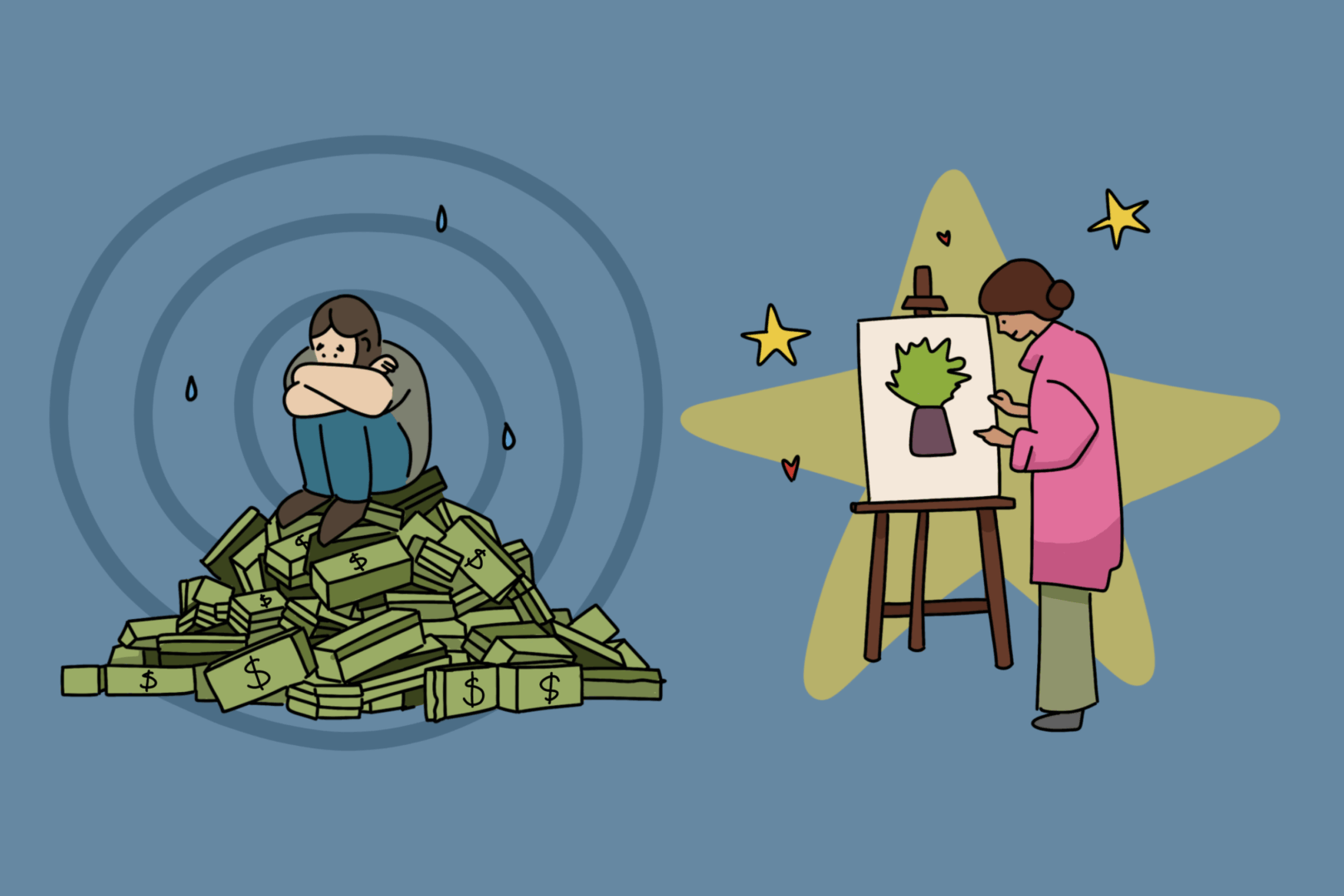
Programs in fields such as music, social work and religious studies have raised concerns about how earnings-based standards could affect access to federal student aid. Although these programs will still be available across college campuses, lower-income students who cannot afford to attend university without federal loan assistance will find it harder to pursue these fields of study, thereby limiting access to them. 

The idea behind these loan cuts is that the Department of Education believes colleges should face consequences when their programs leave graduates with poor financial outcomes. 

However, evaluating programs primarily through graduates’ earnings risks overlooking the social and cultural value of professions that do not traditionally offer high salaries.

The cost of limiting access

Although careers in these fields, on average, offer lower incomes, their work is still in demand and necessary for society’s functioning. 

Cutting off access to these programs could leave these fields, many of which already face worker shortages, severely understaffed, as students who would typically fill these jobs are drawn to other fields of study just to afford an education. 

One concern is that reduced access to federal loans could make arts education increasingly difficult for students from lower-income backgrounds. As art programs become unaffordable for the majority of students to pursue — since three-fourths of students have taken out $20,000 or more in loans in the past 10 years to complete their schooling — students previously pursuing the arts are likely to move to more affordable fields of study. 

If fewer students can afford formal arts education, universities could lose opportunities to develop emerging artists, while students without financial resources may face greater barriers to creative careers.

According to Case Western Reserve University, “the study of arts and culture builds skills in innovation, critical thinking and creativity, while also teaching and inspiring society to form values, evaluate opinions and share similar emotions.”

Education is more than a paycheck

Restricting access to arts education could have consequences beyond individual students, potentially limiting opportunities for creative expression, cultural participation and innovation. When we remove the pursuit of creativity and the good of community from our society, what remains is a corporate world devoid of emotion, vulnerability and deep thought. 

Although graduates’ earnings are one way to measure the financial value of a degree, they do not fully capture the knowledge, creativity and contributions students bring to their communities. What truly matters is the knowledge students are gaining, their passion and drive for it and their ability to use their field of study to make the world a better place, regardless of how much they invest in it or how much they receive in return. 

Social workers, educators and artists contribute to communities in ways that are not always reflected in their salaries. If federal student loans make these fields possible, then the government owes it to the people of the United States to keep these programs accessible to all and to allow university students to pursue what truly interests them, regardless of the rate of return. 

opinion@thedailycougar.com

—
“Student loan restrictions could put arts education out of reach” was originally posted on The Cougar

Posted in UncategorizedComments Off on Student loan restrictions could put arts education out of reach