
Author Archives | Nashly Ramirez

Why everyone wants an ‘I voted’ sticker

Politicians use several strategies during campaigns. They hold rallies, travel across the state to speak with voters, give interviews and run political advertisements on television. These are the traditional ways candidates encourage people to vote. 

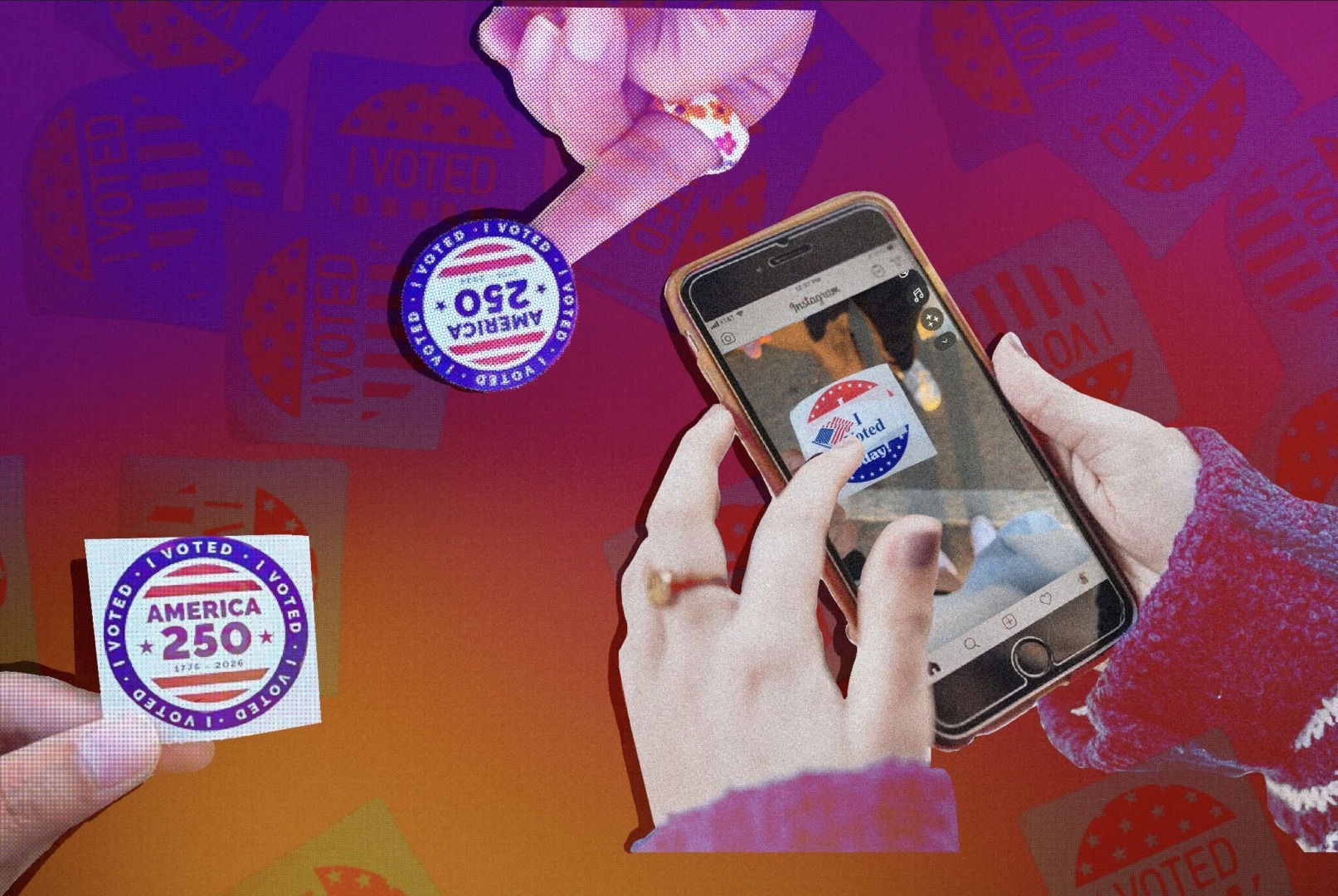
But recently, another form of political influence has gained attention on social media, and it has less to do with campaign speeches or candidates and more to do with an Instagram story featuring an aesthetic picture of an “I voted” sticker.

Over the past two weeks, the stickers handed out at polling locations have become a staple on Instagram and TikTok, with voters across the country sharing pictures of them. But these posts aren’t just about showing off a sticker. Many users also encourage their followers to vote.

For younger generations who grew up sharing their experiences online, seeing friends and peers participate in an election can make voting feel like more than a civic responsibility. Social media has turned something as simple as an “I voted” sticker into a shared experience that encourages others to participate.

Voting FOMO

Scrolling through Instagram and seeing my peers post their voting stickers made me feel like there was a cool kids’ club where everyone had voted, and I was the only one left out. 

Even though I had planned to vote from the beginning, I was busy with midterms during the first few days of early voting. Seeing everyone else participate made me even more eager to get to the polls and finally join in.

Part of the appeal is that voting now comes with another experience people can look forward to. Like posting pictures from a concert or sporting event, sharing an “I voted” sticker lets people document their participation and feel included in what’s happening around them. 

And it wasn’t just happening locally. I kept seeing similar posts from people across the country on TikTok, with comment sections filled with pictures of voting stickers from different states. 

Some people shared who they voted for by adding red or blue hearts, while others simply wanted everyone to know they had cast their ballots.

Celebrities have also joined in. Lady Gaga, Julia Roberts, Jennifer Lawrence and Chris Pratt, to name a few, have been seen on social media encouraging their followers to vote. With millions following their every move, these celebrities can make voting feel like something everyone is doing.

That’s what makes this trend so interesting. You don’t have to share your political beliefs or even who you voted for to participate. The sticker itself becomes something people want to show off and when everyone on your feed seems to have one except you, it’s hard not to feel like you’re missing out.

What was once just a small reward for voting has become a social media trend that makes participating in an election feel like something everyone wants to be a part of.

From posts to polls

The numbers don’t lie: Harris County recorded historic midterm voter turnout, with more than 1 million early votes. The county also saw a significant increase in young registered voters. 

In 2022, 495,509 registered voters were ages 18 to 34, compared with 846,224 in 2026. That’s an increase of more than 350,000 registered young voters in just four years.

Harris County wasn’t alone in seeing participation rise. Across Texas, about 7.7 million people voted early, up from 4.9 million in the 2018 midterm election. 

Young voters’ influence was especially visible in Texas, where Democrats James Talarico and Gina Hinojosa received strong support from the youngest voters. While it’s difficult to determine how much social media contributed to turnout, the numbers show that younger generations care about political participation. 

Whether voters were motivated by political issues, candidates or the influence of those around them, the enthusiasm surrounding this election deserves attention. It also raises the question of whether traditional campaign strategies are the only way to encourage political participation.

While political campaigns spend millions trying to reach young voters, something as simple as an “I voted” sticker on social media may help make voting feel less like a civic obligation and more like an experience worth sharing.

opinion@thedailycougar.com

—
“Why everyone wants an ‘I voted’ sticker” was originally posted on The Cougar
Posted in UncategorizedComments Off on Why everyone wants an ‘I voted’ sticker

Why everyone wants an ‘I voted’ sticker

Politicians use several strategies during campaigns. They hold rallies, travel across the state to speak with voters, give interviews and run political advertisements on television. These are the traditional ways candidates encourage people to vote. 

But recently, another form of political influence has gained attention on social media, and it has less to do with campaign speeches or candidates and more to do with an Instagram story featuring an aesthetic picture of an “I voted” sticker.

Over the past two weeks, the stickers handed out at polling locations have become a staple on Instagram and TikTok, with voters across the country sharing pictures of them. But these posts aren’t just about showing off a sticker. Many users also encourage their followers to vote.

For younger generations who grew up sharing their experiences online, seeing friends and peers participate in an election can make voting feel like more than a civic responsibility. Social media has turned something as simple as an “I voted” sticker into a shared experience that encourages others to participate.

Voting FOMO

Scrolling through Instagram and seeing my peers post their voting stickers made me feel like there was a cool kids’ club where everyone had voted, and I was the only one left out. 

Even though I had planned to vote from the beginning, I was busy with midterms during the first few days of early voting. Seeing everyone else participate made me even more eager to get to the polls and finally join in.

Part of the appeal is that voting now comes with another experience people can look forward to. Like posting pictures from a concert or sporting event, sharing an “I voted” sticker lets people document their participation and feel included in what’s happening around them. 

And it wasn’t just happening locally. I kept seeing similar posts from people across the country on TikTok, with comment sections filled with pictures of voting stickers from different states. 

Some people shared who they voted for by adding red or blue hearts, while others simply wanted everyone to know they had cast their ballots.

Celebrities have also joined in. Lady Gaga, Julia Roberts, Jennifer Lawrence and Chris Pratt, to name a few, have been seen on social media encouraging their followers to vote. With millions following their every move, these celebrities can make voting feel like something everyone is doing.

That’s what makes this trend so interesting. You don’t have to share your political beliefs or even who you voted for to participate. The sticker itself becomes something people want to show off and when everyone on your feed seems to have one except you, it’s hard not to feel like you’re missing out.

What was once just a small reward for voting has become a social media trend that makes participating in an election feel like something everyone wants to be a part of.

From posts to polls

The numbers don’t lie: Harris County recorded historic midterm voter turnout, with more than 1 million early votes. The county also saw a significant increase in young registered voters. 

In 2022, 495,509 registered voters were ages 18 to 34, compared with 846,224 in 2026. That’s an increase of more than 350,000 registered young voters in just four years.

Harris County wasn’t alone in seeing participation rise. Across Texas, about 7.7 million people voted early, up from 4.9 million in the 2018 midterm election. 

Young voters’ influence was especially visible in Texas, where Democrats James Talarico and Gina Hinojosa received strong support from the youngest voters. While it’s difficult to determine how much social media contributed to turnout, the numbers show that younger generations care about political participation. 

Whether voters were motivated by political issues, candidates or the influence of those around them, the enthusiasm surrounding this election deserves attention. It also raises the question of whether traditional campaign strategies are the only way to encourage political participation.

While political campaigns spend millions trying to reach young voters, something as simple as an “I voted” sticker on social media may help make voting feel less like a civic obligation and more like an experience worth sharing.

opinion@thedailycougar.com

—
“Why everyone wants an ‘I voted’ sticker” was originally posted on The Cougar
Posted in UncategorizedComments Off on Why everyone wants an ‘I voted’ sticker

Why everyone wants an ‘I voted’ sticker

Politicians use several strategies during campaigns. They hold rallies, travel across the state to speak with voters, give interviews and run political advertisements on television. These are the traditional ways candidates encourage people to vote. 

But recently, another form of political influence has gained attention on social media, and it has less to do with campaign speeches or candidates and more to do with an Instagram story featuring an aesthetic picture of an “I voted” sticker.

Over the past two weeks, the stickers handed out at polling locations have become a staple on Instagram and TikTok, with voters across the country sharing pictures of them. But these posts aren’t just about showing off a sticker. Many users also encourage their followers to vote.

For younger generations who grew up sharing their experiences online, seeing friends and peers participate in an election can make voting feel like more than a civic responsibility. Social media has turned something as simple as an “I voted” sticker into a shared experience that encourages others to participate.

Voting FOMO

Scrolling through Instagram and seeing my peers post their voting stickers made me feel like there was a cool kids’ club where everyone had voted, and I was the only one left out. 

Even though I had planned to vote from the beginning, I was busy with midterms during the first few days of early voting. Seeing everyone else participate made me even more eager to get to the polls and finally join in.

Part of the appeal is that voting now comes with another experience people can look forward to. Like posting pictures from a concert or sporting event, sharing an “I voted” sticker lets people document their participation and feel included in what’s happening around them. 

And it wasn’t just happening locally. I kept seeing similar posts from people across the country on TikTok, with comment sections filled with pictures of voting stickers from different states. 

Some people shared who they voted for by adding red or blue hearts, while others simply wanted everyone to know they had cast their ballots.

Celebrities have also joined in. Lady Gaga, Julia Roberts, Jennifer Lawrence and Chris Pratt, to name a few, have been seen on social media encouraging their followers to vote. With millions following their every move, these celebrities can make voting feel like something everyone is doing.

That’s what makes this trend so interesting. You don’t have to share your political beliefs or even who you voted for to participate. The sticker itself becomes something people want to show off and when everyone on your feed seems to have one except you, it’s hard not to feel like you’re missing out.

What was once just a small reward for voting has become a social media trend that makes participating in an election feel like something everyone wants to be a part of.

From posts to polls

The numbers don’t lie: Harris County recorded historic midterm voter turnout, with more than 1 million early votes. The county also saw a significant increase in young registered voters. 

In 2022, 495,509 registered voters were ages 18 to 34, compared with 846,224 in 2026. That’s an increase of more than 350,000 registered young voters in just four years.

Harris County wasn’t alone in seeing participation rise. Across Texas, about 7.7 million people voted early, up from 4.9 million in the 2018 midterm election. 

Young voters’ influence was especially visible in Texas, where Democrats James Talarico and Gina Hinojosa received strong support from the youngest voters. While it’s difficult to determine how much social media contributed to turnout, the numbers show that younger generations care about political participation. 

Whether voters were motivated by political issues, candidates or the influence of those around them, the enthusiasm surrounding this election deserves attention. It also raises the question of whether traditional campaign strategies are the only way to encourage political participation.

While political campaigns spend millions trying to reach young voters, something as simple as an “I voted” sticker on social media may help make voting feel less like a civic obligation and more like an experience worth sharing.

opinion@thedailycougar.com

—
“Why everyone wants an ‘I voted’ sticker” was originally posted on The Cougar

Posted in UncategorizedComments Off on Why everyone wants an ‘I voted’ sticker

Maybe we do not need flying cars

Lily Huynh

In 1977, a local Ohio newspaper asked middle schoolers to predict what they thought would happen by the year 2000. By 2026, many of their predictions had come true: they predicted that women could become astronauts, that we would have robot assistants and that we would have flying cars. One of those predictions seemed unrealistic just a few weeks ago, but now we can’t say that we’ll start going to the gym once cars fly. 

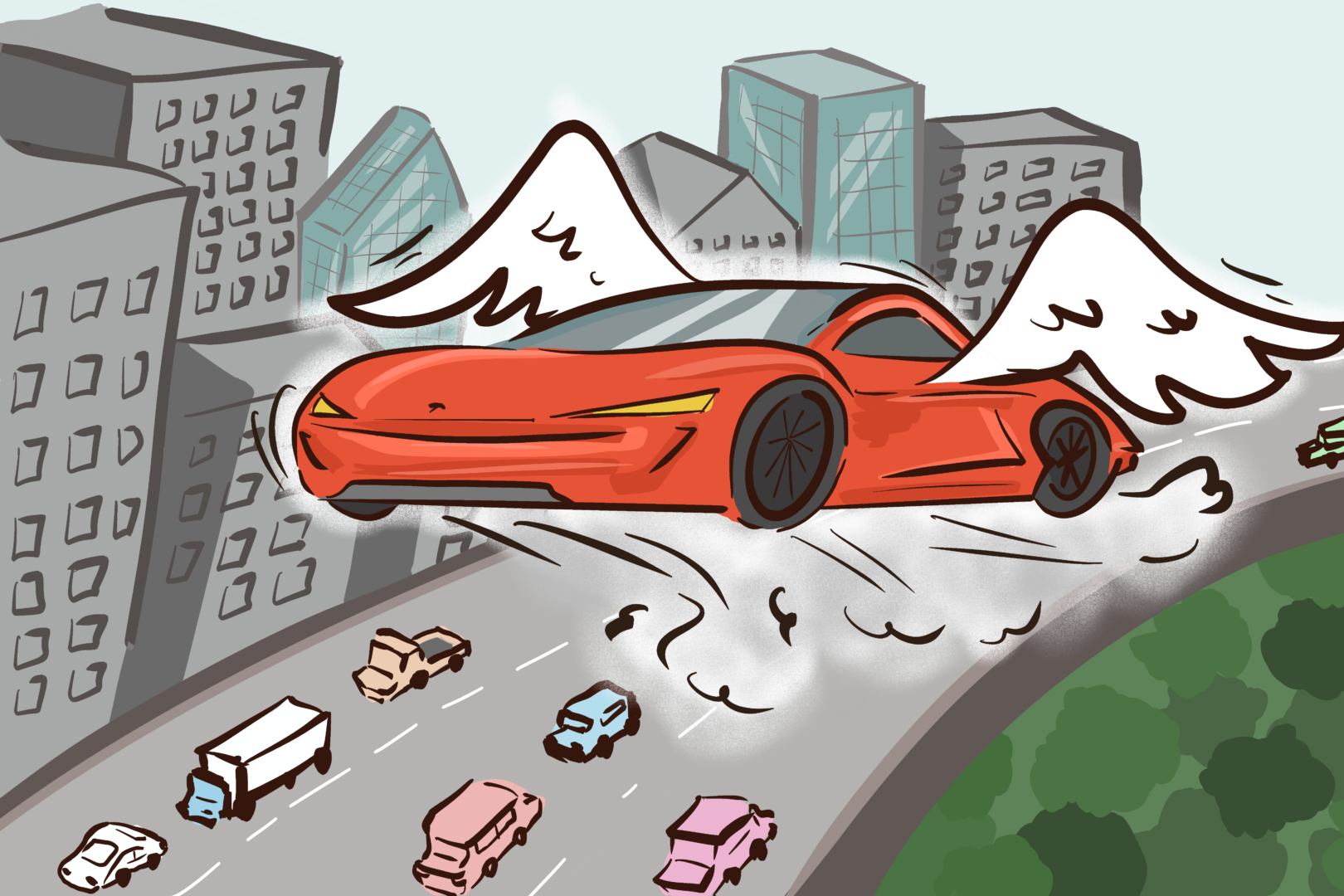
On Oct. 15 in McGregor, Texas, Tesla and SpaceX unveiled what it described as the first-ever flying car: the Tesla Roadster. But before anyone gets too excited about flying over I-10 traffic, think again. While the concept may seem exciting, flying cars should remain just that: a concept.

Flying cars may sound like the next big step in technological innovation, but just because we have the technology to make something possible doesn’t mean we should. 

Between the safety risks of putting everyday drivers in the sky, Tesla’s history of ambitious promises and whether flying cars would actually solve any of our transportation problems, this futuristic dream seems to bring more complications than benefits.

The reality of flying cars

Sitting in Houston traffic leaves plenty of time to daydream, and I would be lying if I said I hadn’t imagined how amazing it would be for my car to grow wings and fly past the seemingly endless line of cars. 

But now, instead of imagining how convenient flying cars could be, I find myself thinking about the horrifying logistics of making them a reality.

People already struggle to follow basic traffic laws. Between distracted drivers, speeding and people who seem to forget turn signals exist, it’s hard to imagine how those same behaviors would translate to the sky. 

After all, nobody would feel comfortable knowing their airplane pilot was distracted while flying, so why should we trust everyday drivers with that same responsibility?

Introducing flying cars would also mean creating an entirely new transportation system in the sky. Roads already rely on traffic lights, designated lanes, intersections and countless regulations to keep drivers safe. Bringing cars into the air would require similar systems, along with new rules to prevent midair collisions. 

And when accidents inevitably happen, what happens to the debris? One second, you could be walking to class, and the next, you’re dodging someone’s front bumper falling from the sky. If we already struggle to manage traffic on the ground, adding another layer of transportation above us could create more problems than it solves.

Tesla’s history of delays

Beyond safety concerns, another reason to question the future of flying cars is Tesla’s history of making ambitious promises.

Tesla is known for its industry-changing innovations, from popularizing electric vehicles to advancing self-driving technology. However, the company has also announced products that face years of delays or come with price tags out of reach for the average consumer.

In 2020, Tesla announced plans for an affordable electric vehicle priced at $25,000, with an expected release in 2023. However, the company eventually abandoned plans for the conventional model because, according to Elon Musk, Tesla just had too much on its plate. 

Now, Tesla is accepting reservations for its next-generation Roadster, with the Founders Series version requiring a $250,000 upfront payment. However, paying that much doesn’t guarantee customers will receive their vehicles anytime soon, if at all. 

A reservation essentially secures a place in line for a car that hasn’t entered production yet. Tesla originally announced the Roadster in 2017, with production expected in 2020. Nearly a decade later, the company still hasn’t delivered it. At what point does an impressive technological advancement become another expensive promise that consumers are expected to wait years for?

For decades, flying cars have represented the future people dreamed of, but maybe some ideas are better left in science fiction. Technological advancements are impressive, but innovation should make our lives easier, not introduce an entirely new set of problems.

As much as I would love to fly over Houston traffic, I’d rather improve the transportation systems we already have than spend years waiting for an expensive car that may never take off.

opinion@thedailycougar.com

—
“Maybe we do not need flying cars” was originally posted on The Cougar

Posted in UncategorizedComments Off on Maybe we do not need flying cars