
Author Archives | Harlem Gilbert

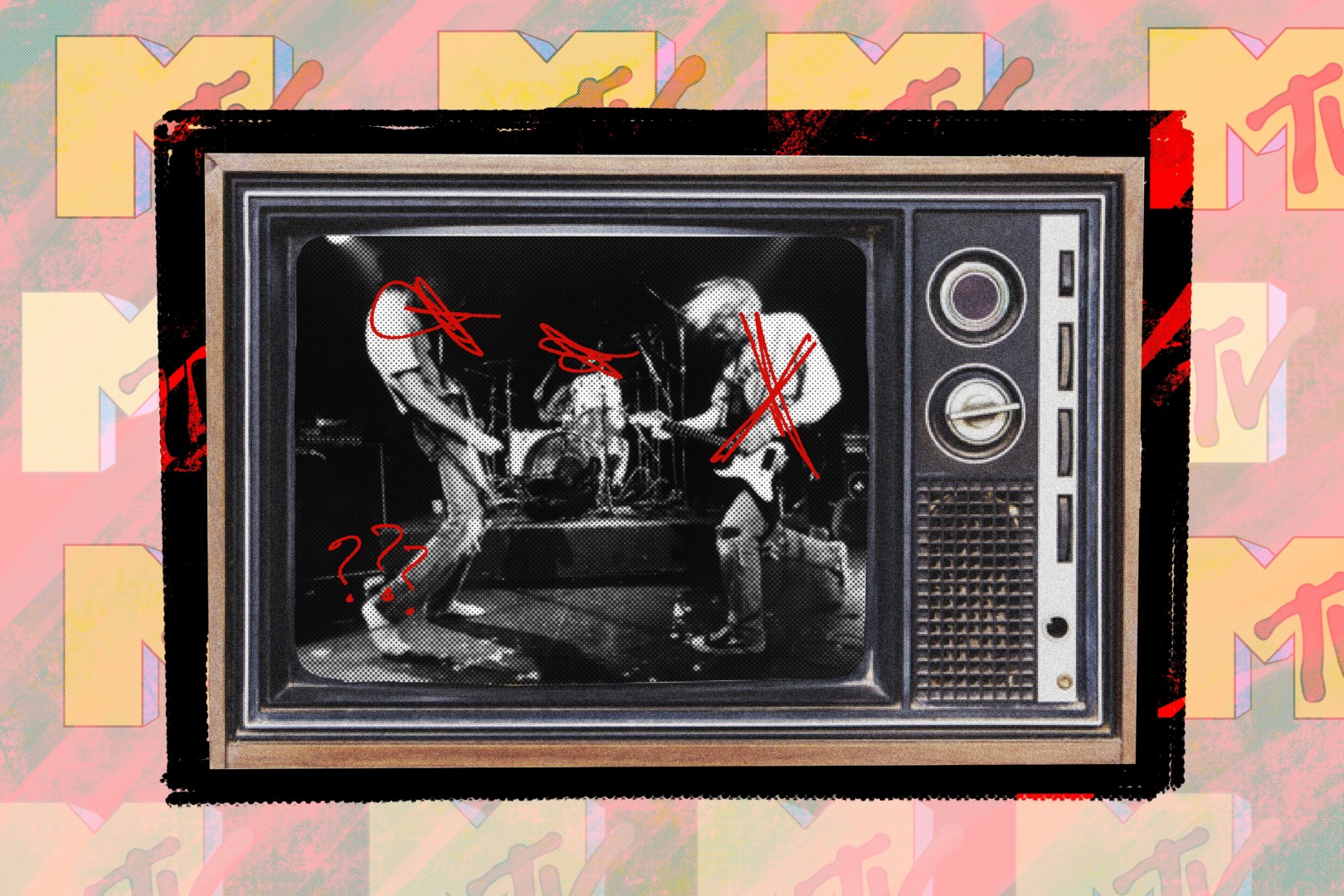
The VMAs cannot celebrate rock and erase it

Lily Huynh/The Cougar

MTV held its Video Music Awards on Sept. 27 at Peacock Theatre in Los Angeles. Awards were handed out during the televised broadcast for a total of six categories out of the complete 23, but this awards season differed from the VMAs of the past. There was an absence of a category that has been a mainstay in this awards ceremony for decades: rock.

The VMAs did not include the rock category in its nominations this year, along with many other categories: Afrobeats, Best Album, Best Pop Artist, Best Group, Best Push Performance of the Year, Video For Good, Best Long-Form Video and Song of the Summer were all left off the ballot this year. 

What makes rock so notable?

The VMAs were launched by MTV in 1984. Five years after its inception, the VMAs added Best Heavy Metal Video, a category that would go through plenty of name iterations, from Best Metal/Hard Rock to Best Hard Rock, then Best Rock Video and finally Best Rock.

Over time, some of rock’s biggest names performed at its ceremonies. Guns N’ Roses, the first winner of the category, Aerosmith, Nirvana and Green Day all had performances that were among the best to date. 

A lot of the most notable rock artists and bands got their first taste of mainstream exposure through this ceremony. Just like any other category, their nominations showed a snapshot of the current state of the genre. 

The VMAs have seen a steady decline in viewership since their record-breaking 2015 show. Rock is a genre that has around 1.5 billion listeners globally. 

To eliminate a category with such a huge following in an awards show that has had trouble gaining viewers in recent years, feels ill-advised.

This year also marked plenty of releases from some of the most well-known rock bands. Bands like Weezer, Foo Fighters, The Cure, Nine Inch Nails, U2, The Strokes and The Rolling Stones, four of whom are on the Billboard top 50 rock bands of all time. 

The VMAs pulling the rock category means that these huge returns won’t be acknowledged within this sphere, nor will any up-and-coming rock artist who could benefit from the exposure. 

Another factor that made the removal strange was this year’s Video Vanguard honoree: Nirvana. 

Former members Krist Novoselic, Pat Smear and Dave Grohl all reunited to receive the award. Nirvana is one of the biggest rock bands of all time and has huge ties to MTV. Their music video for “Smells Like Teen Spirit” gained traction from being featured on MTV, which helped push them into the mainstream. 

To highlight a band whose category has recently been eliminated is contradictory. The VMAs show that they care about rock and its contributions on one front, but not another.

Fans response

Rock fans were disappointed and confused to see the exclusion of the Best Rock category. Fans were even more upset with the lack of reasoning given by Paramount, MTV’s parent company. 

Others felt like this was a long time coming. In recent years, recipients of the Best Rock Music Video Award were artists that were more pop-rock and pop-punk as opposed to traditional rock and heavy metal.

Fans are also discontent with the only potential category for modern rock music at the VMAs being the Best Alternative category.

There was commonly overlap between the two categories, but Best Alternative usually covers music that fits into niche subgenres like ska, shoegaze, lo-fi and Britpop or combines multiple genres, such as the Red Hot Chili Peppers with funk/rock and MGK with rap/rock. 

Rock isn’t going anywhere. It’s one of the most listened-to genres in the country; being taken out of the VMAs isn’t likely to be some cataclysmic event. 

The biggest concern lies with the principle of the matter.  

The VMAs are known for giving fans a say with their voting system, providing a more accurate picture of what fans are listening to. By reducing and deleting categories, it sends the opposite message. 

For award ceremonies to remain relevant and be somewhat meaningful to the general public, they have to represent pop culture as a whole. Erasure of genres ignores the people whose opinions the VMAs are supposed to showcase.

opinion@thedailycougar.com

—
“The VMAs cannot celebrate rock and erase it” was originally posted on The Cougar

Posted in UncategorizedComments Off on The VMAs cannot celebrate rock and erase it

The VMAs cannot celebrate rock and erase it

Lily Huynh/The Cougar

MTV held its Video Music Awards on Sept. 27 at Peacock Theatre in Los Angeles. Awards were handed out during the televised broadcast for a total of six categories out of the complete 23, but this awards season differed from the VMAs of the past. There was an absence of a category that has been a mainstay in this awards ceremony for decades: rock.

The VMAs did not include the rock category in its nominations this year, along with many other categories: Afrobeats, Best Album, Best Pop Artist, Best Group, Best Push Performance of the Year, Video For Good, Best Long-Form Video and Song of the Summer were all left off the ballot this year. 

What makes rock so notable?

The VMAs were launched by MTV in 1984. Five years after its inception, the VMAs added Best Heavy Metal Video, a category that would go through plenty of name iterations, from Best Metal/Hard Rock to Best Hard Rock, then Best Rock Video and finally Best Rock.

Over time, some of rock’s biggest names performed at its ceremonies. Guns N’ Roses, the first winner of the category, Aerosmith, Nirvana and Green Day all had performances that were among the best to date. 

A lot of the most notable rock artists and bands got their first taste of mainstream exposure through this ceremony. Just like any other category, their nominations showed a snapshot of the current state of the genre. 

The VMAs have seen a steady decline in viewership since their record-breaking 2015 show. Rock is a genre that has around 1.5 billion listeners globally. 

To eliminate a category with such a huge following in an awards show that has had trouble gaining viewers in recent years, feels ill-advised.

This year also marked plenty of releases from some of the most well-known rock bands. Bands like Weezer, Foo Fighters, The Cure, Nine Inch Nails, U2, The Strokes and The Rolling Stones, four of whom are on the Billboard top 50 rock bands of all time. 

The VMAs pulling the rock category means that these huge returns won’t be acknowledged within this sphere, nor will any up-and-coming rock artist who could benefit from the exposure. 

Another factor that made the removal strange was this year’s Video Vanguard honoree: Nirvana. 

Former members Krist Novoselic, Pat Smear and Dave Grohl all reunited to receive the award. Nirvana is one of the biggest rock bands of all time and has huge ties to MTV. Their music video for “Smells Like Teen Spirit” gained traction from being featured on MTV, which helped push them into the mainstream. 

To highlight a band whose category has recently been eliminated is contradictory. The VMAs show that they care about rock and its contributions on one front, but not another.

Fans response

Rock fans were disappointed and confused to see the exclusion of the Best Rock category. Fans were even more upset with the lack of reasoning given by Paramount, MTV’s parent company. 

Others felt like this was a long time coming. In recent years, recipients of the Best Rock Music Video Award were artists that were more pop-rock and pop-punk as opposed to traditional rock and heavy metal.

Fans are also discontent with the only potential category for modern rock music at the VMAs being the Best Alternative category.

There was commonly overlap between the two categories, but Best Alternative usually covers music that fits into niche subgenres like ska, shoegaze, lo-fi and Britpop or combines multiple genres, such as the Red Hot Chili Peppers with funk/rock and MGK with rap/rock. 

Rock isn’t going anywhere. It’s one of the most listened-to genres in the country; being taken out of the VMAs isn’t likely to be some cataclysmic event. 

The biggest concern lies with the principle of the matter.  

The VMAs are known for giving fans a say with their voting system, providing a more accurate picture of what fans are listening to. By reducing and deleting categories, it sends the opposite message. 

For award ceremonies to remain relevant and be somewhat meaningful to the general public, they have to represent pop culture as a whole. Erasure of genres ignores the people whose opinions the VMAs are supposed to showcase.

opinion@thedailycougar.com

—
“The VMAs cannot celebrate rock and erase it” was originally posted on The Cougar
Posted in UncategorizedComments Off on The VMAs cannot celebrate rock and erase it

The VMAs cannot celebrate rock and erase it

Lily Huynh/The Cougar

MTV held its Video Music Awards on Sept. 27 at Peacock Theatre in Los Angeles. Awards were handed out during the televised broadcast for a total of six categories out of the complete 23, but this awards season differed from the VMAs of the past. There was an absence of a category that has been a mainstay in this awards ceremony for decades: rock.

The VMAs did not include the rock category in its nominations this year, along with many other categories: Afrobeats, Best Album, Best Pop Artist, Best Group, Best Push Performance of the Year, Video For Good, Best Long-Form Video and Song of the Summer were all left off the ballot this year. 

What makes rock so notable?

The VMAs were launched by MTV in 1984. Five years after its inception, the VMAs added Best Heavy Metal Video, a category that would go through plenty of name iterations, from Best Metal/Hard Rock to Best Hard Rock, then Best Rock Video and finally Best Rock.

Over time, some of rock’s biggest names performed at its ceremonies. Guns N’ Roses, the first winner of the category, Aerosmith, Nirvana and Green Day all had performances that were among the best to date. 

A lot of the most notable rock artists and bands got their first taste of mainstream exposure through this ceremony. Just like any other category, their nominations showed a snapshot of the current state of the genre. 

The VMAs have seen a steady decline in viewership since their record-breaking 2015 show. Rock is a genre that has around 1.5 billion listeners globally. 

To eliminate a category with such a huge following in an awards show that has had trouble gaining viewers in recent years, feels ill-advised.

This year also marked plenty of releases from some of the most well-known rock bands. Bands like Weezer, Foo Fighters, The Cure, Nine Inch Nails, U2, The Strokes and The Rolling Stones, four of whom are on the Billboard top 50 rock bands of all time. 

The VMAs pulling the rock category means that these huge returns won’t be acknowledged within this sphere, nor will any up-and-coming rock artist who could benefit from the exposure. 

Another factor that made the removal strange was this year’s Video Vanguard honoree: Nirvana. 

Former members Krist Novoselic, Pat Smear and Dave Grohl all reunited to receive the award. Nirvana is one of the biggest rock bands of all time and has huge ties to MTV. Their music video for “Smells Like Teen Spirit” gained traction from being featured on MTV, which helped push them into the mainstream. 

To highlight a band whose category has recently been eliminated is contradictory. The VMAs show that they care about rock and its contributions on one front, but not another.

Fans response

Rock fans were disappointed and confused to see the exclusion of the Best Rock category. Fans were even more upset with the lack of reasoning given by Paramount, MTV’s parent company. 

Others felt like this was a long time coming. In recent years, recipients of the Best Rock Music Video Award were artists that were more pop-rock and pop-punk as opposed to traditional rock and heavy metal.

Fans are also discontent with the only potential category for modern rock music at the VMAs being the Best Alternative category.

There was commonly overlap between the two categories, but Best Alternative usually covers music that fits into niche subgenres like ska, shoegaze, lo-fi and Britpop or combines multiple genres, such as the Red Hot Chili Peppers with funk/rock and MGK with rap/rock. 

Rock isn’t going anywhere. It’s one of the most listened-to genres in the country; being taken out of the VMAs isn’t likely to be some cataclysmic event. 

The biggest concern lies with the principle of the matter.  

The VMAs are known for giving fans a say with their voting system, providing a more accurate picture of what fans are listening to. By reducing and deleting categories, it sends the opposite message. 

For award ceremonies to remain relevant and be somewhat meaningful to the general public, they have to represent pop culture as a whole. Erasure of genres ignores the people whose opinions the VMAs are supposed to showcase.

opinion@thedailycougar.com

—
“The VMAs cannot celebrate rock and erase it” was originally posted on The Cougar

Posted in UncategorizedComments Off on The VMAs cannot celebrate rock and erase it

The politics of horror

Chloe Sales/The Cougar

As summer turns to autumn, swimsuits are replaced by sweaters, apple cider makes its return and Halloween brings horror movies back into the spotlight.

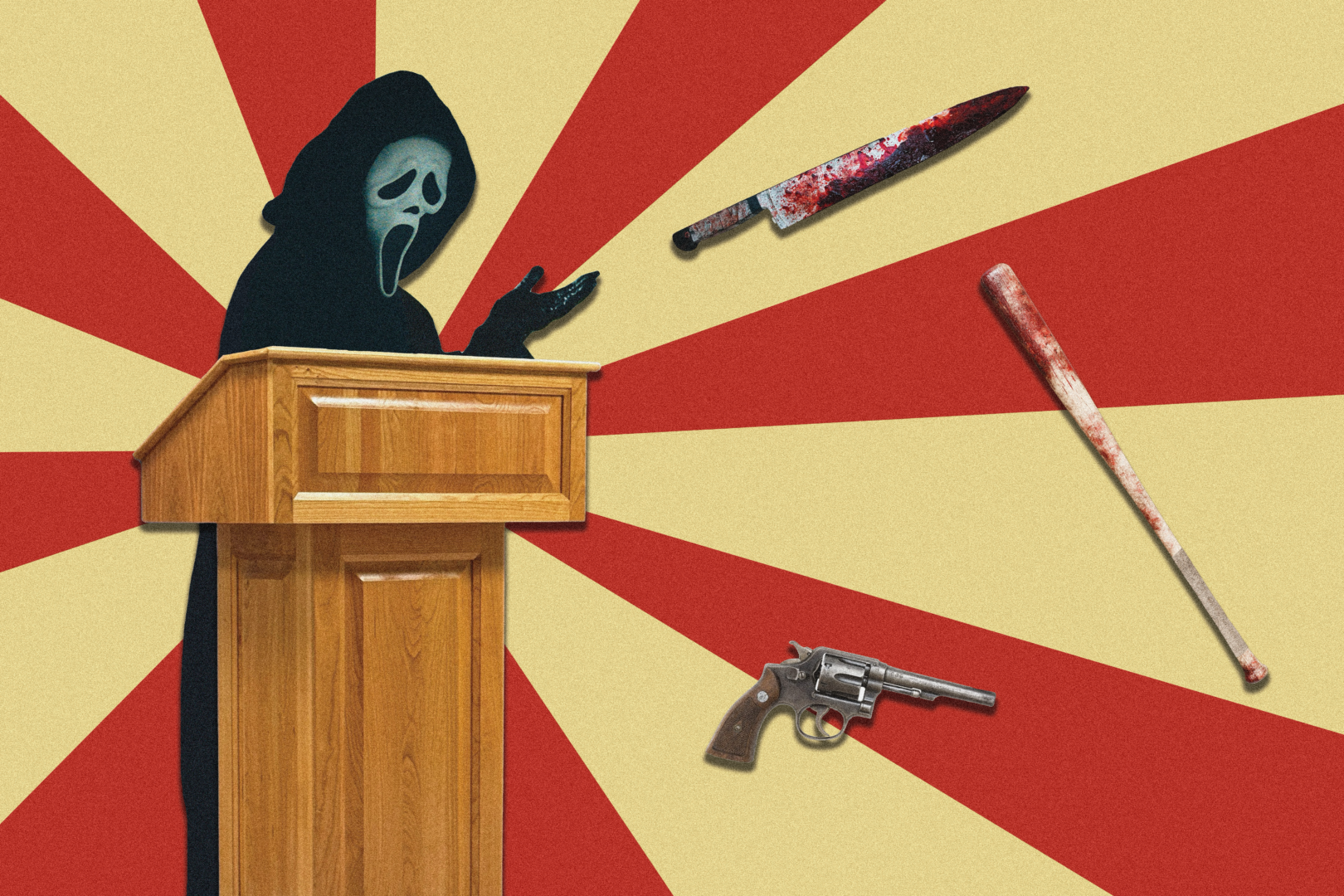
For decades, horror movies have terrified audiences with slashers, zombies and supernatural possessions. However, behind the blood and gore lies something much more unsettling: the fears and anxieties of the real world. 

From political unrest to racial inequality, horror has consistently reflected the issues troubling society, proving that the genre is more than just entertainment.

Societal reflections

Horror movies reflect the fears of the society in which they’re made. The earliest example is during the Great Depression, when some of the most notable and recognizable horror monsters came to be. Films such as “Dracula,” “Frankenstein” and “White Zombie” explore fears surrounding outsiders, with some of their portrayals reflecting the racial prejudices of their time and utilizing an “us versus them” mindset.

These films can also be interpreted as reflections of the anxieties surrounding immigration and cultural differences during this period. Americans were not supportive of immigration during the Great Depression and had strict immigration laws.

Migrants from Mexico faced prejudice and racism and were not as welcomed to the U.S. as European migrants. Mexican migrants were stereotyped as barbaric and unintelligent. Black Americans faced similar stereotypes, portrayed as brutish. These stereotypes favored the characterization of the monsters in these movies.

Victor Halperin’s “White Zombie” uses Haiti and its portrayal of Vodou as the backdrop for a story about zombies controlled by an immoral master, drawing parallels to slavery and exploitation. 

 Other historic events and decades sparked their own horror trends.

With the breakdown of traditional religion during the 1960s came an influx of occult-based horror, due to the fear around unfamiliar religions that were integrating with Western culture.  This brought movies like “The Exorcist” and “Rosemary’s Baby.”

The 1980s saw a rise in slashers with the rise of conservatism after Reagan took office in 1981. Teenagers were brutally murdered after partaking in activities that were taboo at the time: premarital sex, smoking and drinking. Slashers fell out of fashion for a brief period after the Columbine tragedy.

Post-9/11 horror focused heavily on arbitrary violence, highlighting the anxieties of Americans feeling as if another attack is imminent and death is random, shown in movies like “The Strangers.”

This era also brought back the “Us versus Them” trope, as seen in movies like “Cloverfield.” This time, it was used to represent the rise in nationalism: Americans versus everyone else.

Creators’ perspective

The messenger of these themes is equally important in context. For a long time, the types of voices and perspectives in Hollywood lacked diversity. If you look at the top horror films from the 1980s, the majority of them were created and directed by cisgender white men.

As Hollywood became more diverse, new perspectives gained visibility, including those of Black filmmakers who used horror to explore experiences of racism and inequality. 

Black horror has been around since the 1940s, but it really started to hit the mainstream with Bernard Rose’s Candyman. One of the genre’s most notable films is Jordan Peele’s “Get Out” which explores themes of the exploitation of Black Americans and appropriation of Black culture.

Similarly, Clive Barker’s “Hellraiser” is a staple in a horror subgenre known as queer horror. Hellraiser blends sexuality with pain and draws much of the antagonist’s characterization from queer subcultures he came in contact with as a young gay man. 

Jordan Peele and Clive Barker draw from their personal experiences to shape their storytelling. Their perspectives demonstrate how filmmakers can use their own fears and experiences to give horror deeper meaning.

Current state of horror

Horror movies have a recent revival. Over the past few years, the horror genre has been performing well critically and at the box office. 

Notably, “Sinners” was nominated for 16 Oscars, one of them being for Best Picture, making it one of nine total horror movies ever to be nominated. One-third of horror nominations for Best Picture took place in the last three years. 

Since the pandemic, psychological horror has gained attention, particularly stories that explore isolation and the fear of being trapped in familiar spaces. The overturning of Roe v. Wade brought an increase in horror related to women’s autonomy, like “Obsession” and “Companion.”

Horror is often dismissed as nothing more than graphic violence, but the idea that the genre has only recently become meaningful overlooks its long history of social commentary. 

This October, when you sit down to watch a horror movie, look beyond the blood and gore. The most frightening part of these stories might not be the monsters themselves, but what they reveal about the world we live in.

opinion@thedailycougar.com

—
“The politics of horror” was originally posted on The Cougar

Posted in UncategorizedComments Off on The politics of horror