
Author Archives | Audrey Szeto

Opening closed doors: Jacqueline Garcia on the importance of Latinos in medicine

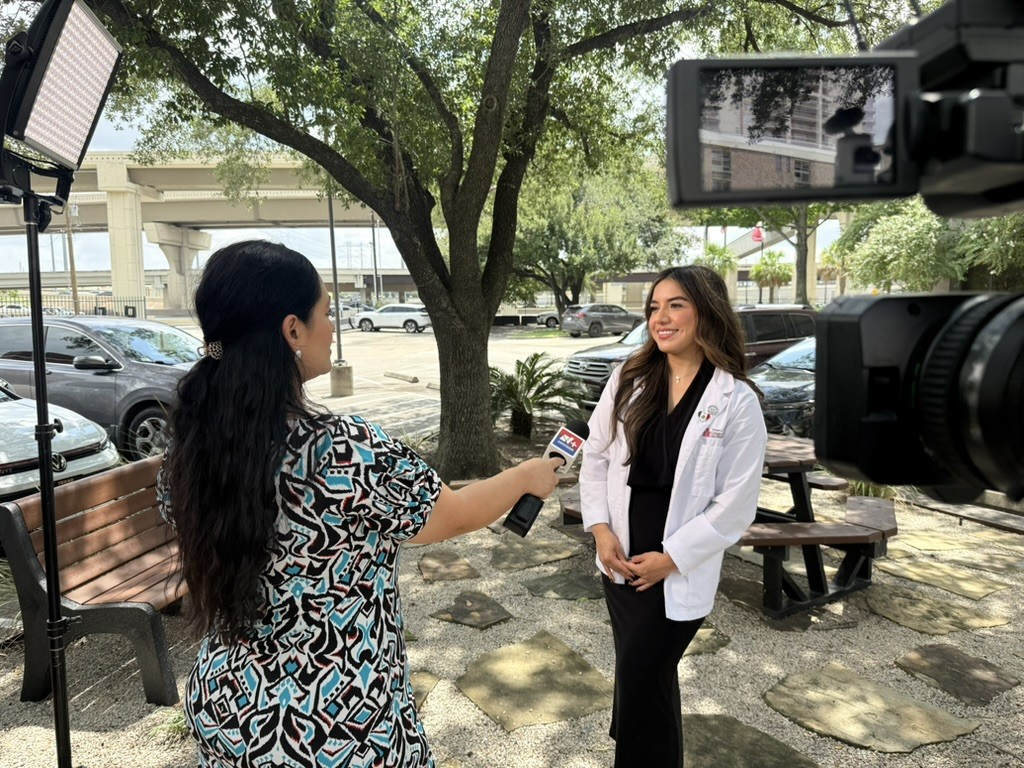
Medical student Jacqueline Garcia participates in an interview for Univision 45 Houston on September 11, 2026, in Houston, Texas. | Photo courtesy of Jacqueline Garcia.

In the small town of Amarillo, Texas, a 15-year-old girl stands in the trauma bay of an emergency room. Following a traumatic accident, her father needs emergency surgery. As the only Spanish-speaker in the trauma bay, the responsibility falls on her to translate this pivotal information to her father.

This 15-year-old girl was Jacqueline Garcia over a decade ago. Now, she is a third-year medical student at the Tilman J. Fertitta Family College of Medicine and vice president of the Latino Medical Student Association.

“I remember standing in the trauma bay that day and promising myself that I never wanted somebody else to feel that way,” Garcia said. “That’s kind of where my passion for medicine started.”

Garcia is a first generation student, and her parents immigrated to the U.S. from Aguascalientes, Mexico. Recent census data show that 20.5% of the U.S. population is Latino, but only around 6 to 7% Latino physicians, according to Statista.

“Being bilingual was something that was very special to me because it gave me the ability to not only communicate with my parents, but to be able to help them navigate a system that wasn’t built for them,” Garcia said.

Healthcare literacy is the ability for individuals to understand health information and make informed decisions about their health. Garcia says that patients who do not have the ability to pursue higher education may not understand the severity of their diagnosis and that this issue is prevalent among Hispanic populations and migrant communities.

“Medicine, on its own, is a foreign language to any person,” said colleague and LMSA president Amanda Hernandez. “Having to understand that in a language you don’t speak – it’s incredibly challenging.” 

In addition to difficulties navigating the healthcare system, low-income communities experience disparities in access to healthy food and medical insurance. 

According to Rice University, 73% of uninsured residents of food-insecure households in Houston and Harris County are Hispanic. 

“It’s a cycle that needs to be broken,” Garcia said. “That’s where healthcare providers can provide those interventions. And a lot of that comes through compassion and through empathy, because you’re able to see the circumstances that these patients live in.”

The language barrier and cultural misunderstandings many experience is why Latino representation in medicine is important to both Garcia and Hernandez.

“I think the voice that we serve to this community, for them to see themselves in their doctor, increases their motivation to keep up with their own health,” Hernandez said. “It increases the trust in medicine in general.”

By serving as vice president of the LMSA, Garcia increases mentorship for Latino students and dedicates time to the health and well-being of Latino communities.

“Thinking about those who are coming behind her and how to make an easier way for other Latinas – for example, those coming from small towns – all of those things are really important for her,” said learning community professor Woods Nash.

Nash has been Garcia’s mentor since her first year of medical school. Throughout Garcia’s time in medical school, he has advocated for her and supported her ideas.

“It’s interesting for me, for someone who’s never been to a place like Amarillo, to know something about what life there is like,” Nash said. “And Jackie is one of those students who’s interested in serving a community like the one she comes from in Amarillo that has limited access to healthcare, due mostly to lower socioeconomic status.”

Along with serving others, members of LMSA gain a sense of community in a field where Latinos are a minority.

“When you go into medicine and you don’t see people like you, you expect the experience to be lonely,” Hernandez said. “It’s nice to have someone who can understand where you come from and that you can just be yourself.”

As a part of the LMSA, Garcia was invited to speak about what it means to be a Latina in medicine in an interview with Univision 45. 

She spoke about her upbringing, hoping to inspire aspiring physicians and anyone who has a dream to pursue higher education.

“My biggest message is: the best gift that you can give your parents is to invest in your own education,” Garcia said. “It’s also the best form of resistance and protest – educating yourself – because no one can ever take your education away from you.”

news@thedailycougar.com

—
“Opening closed doors: Jacqueline Garcia on the importance of Latinos in medicine” was originally posted on The Cougar

Posted in UncategorizedComments Off on Opening closed doors: Jacqueline Garcia on the importance of Latinos in medicine

Opening closed doors: Jacqueline Garcia on the importance of Latinos in medicine

Medical student Jacqueline Garcia participates in an interview for Univision 45 Houston on September 11, 2026, in Houston, Texas. | Photo courtesy of Jacqueline Garcia.

In the small town of Amarillo, Texas, a 15-year-old girl stands in the trauma bay of an emergency room. Following a traumatic accident, her father needs emergency surgery. As the only Spanish-speaker in the trauma bay, the responsibility falls on her to translate this pivotal information to her father.

This 15-year-old girl was Jacqueline Garcia over a decade ago. Now, she is a third-year medical student at the Tilman J. Fertitta Family College of Medicine and vice president of the Latino Medical Student Association.

“I remember standing in the trauma bay that day and promising myself that I never wanted somebody else to feel that way,” Garcia said. “That’s kind of where my passion for medicine started.”

Garcia is a first generation student, and her parents immigrated to the U.S. from Aguascalientes, Mexico. Recent census data show that 20.5% of the U.S. population is Latino, but only around 6 to 7% Latino physicians, according to Statista.

“Being bilingual was something that was very special to me because it gave me the ability to not only communicate with my parents, but to be able to help them navigate a system that wasn’t built for them,” Garcia said.

Healthcare literacy is the ability for individuals to understand health information and make informed decisions about their health. Garcia says that patients who do not have the ability to pursue higher education may not understand the severity of their diagnosis and that this issue is prevalent among Hispanic populations and migrant communities.

“Medicine, on its own, is a foreign language to any person,” said colleague and LMSA president Amanda Hernandez. “Having to understand that in a language you don’t speak – it’s incredibly challenging.” 

In addition to difficulties navigating the healthcare system, low-income communities experience disparities in access to healthy food and medical insurance. 

According to Rice University, 73% of uninsured residents of food-insecure households in Houston and Harris County are Hispanic. 

“It’s a cycle that needs to be broken,” Garcia said. “That’s where healthcare providers can provide those interventions. And a lot of that comes through compassion and through empathy, because you’re able to see the circumstances that these patients live in.”

The language barrier and cultural misunderstandings many experience is why Latino representation in medicine is important to both Garcia and Hernandez.

“I think the voice that we serve to this community, for them to see themselves in their doctor, increases their motivation to keep up with their own health,” Hernandez said. “It increases the trust in medicine in general.”

By serving as vice president of the LMSA, Garcia increases mentorship for Latino students and dedicates time to the health and well-being of Latino communities.

“Thinking about those who are coming behind her and how to make an easier way for other Latinas – for example, those coming from small towns – all of those things are really important for her,” said learning community professor Woods Nash.

Nash has been Garcia’s mentor since her first year of medical school. Throughout Garcia’s time in medical school, he has advocated for her and supported her ideas.

“It’s interesting for me, for someone who’s never been to a place like Amarillo, to know something about what life there is like,” Nash said. “And Jackie is one of those students who’s interested in serving a community like the one she comes from in Amarillo that has limited access to healthcare, due mostly to lower socioeconomic status.”

Along with serving others, members of LMSA gain a sense of community in a field where Latinos are a minority.

“When you go into medicine and you don’t see people like you, you expect the experience to be lonely,” Hernandez said. “It’s nice to have someone who can understand where you come from and that you can just be yourself.”

As a part of the LMSA, Garcia was invited to speak about what it means to be a Latina in medicine in an interview with Univision 45. 

She spoke about her upbringing, hoping to inspire aspiring physicians and anyone who has a dream to pursue higher education.

“My biggest message is: the best gift that you can give your parents is to invest in your own education,” Garcia said. “It’s also the best form of resistance and protest – educating yourself – because no one can ever take your education away from you.”

news@thedailycougar.com

—
“Opening closed doors: Jacqueline Garcia on the importance of Latinos in medicine” was originally posted on The Cougar

Posted in UncategorizedComments Off on Opening closed doors: Jacqueline Garcia on the importance of Latinos in medicine

Opening closed doors: Jacqueline Garcia on the importance of Latinos in medicine

Medical student Jacqueline Garcia participates in an interview for Univision 45 Houston on September 11, 2026, in Houston, Texas. | Photo courtesy of Jacqueline Garcia.

In the small town of Amarillo, Texas, a 15-year-old girl stands in the trauma bay of an emergency room. Following a traumatic accident, her father needs emergency surgery. As the only Spanish-speaker in the trauma bay, the responsibility falls on her to translate this pivotal information to her father.

This 15-year-old girl was Jacqueline Garcia over a decade ago. Now, she is a third-year medical student at the Tilman J. Fertitta Family College of Medicine and vice president of the Latino Medical Student Association.

“I remember standing in the trauma bay that day and promising myself that I never wanted somebody else to feel that way,” Garcia said. “That’s kind of where my passion for medicine started.”

Garcia is a first generation student, and her parents immigrated to the U.S. from Aguascalientes, Mexico. Recent census data show that 20.5% of the U.S. population is Latino, but only around 6 to 7% Latino physicians, according to Statista.

“Being bilingual was something that was very special to me because it gave me the ability to not only communicate with my parents, but to be able to help them navigate a system that wasn’t built for them,” Garcia said.

Healthcare literacy is the ability for individuals to understand health information and make informed decisions about their health. Garcia says that patients who do not have the ability to pursue higher education may not understand the severity of their diagnosis and that this issue is prevalent among Hispanic populations and migrant communities.

“Medicine, on its own, is a foreign language to any person,” said colleague and LMSA president Amanda Hernandez. “Having to understand that in a language you don’t speak – it’s incredibly challenging.” 

In addition to difficulties navigating the healthcare system, low-income communities experience disparities in access to healthy food and medical insurance. 

According to Rice University, 73% of uninsured residents of food-insecure households in Houston and Harris County are Hispanic. 

“It’s a cycle that needs to be broken,” Garcia said. “That’s where healthcare providers can provide those interventions. And a lot of that comes through compassion and through empathy, because you’re able to see the circumstances that these patients live in.”

The language barrier and cultural misunderstandings many experience is why Latino representation in medicine is important to both Garcia and Hernandez.

“I think the voice that we serve to this community, for them to see themselves in their doctor, increases their motivation to keep up with their own health,” Hernandez said. “It increases the trust in medicine in general.”

By serving as vice president of the LMSA, Garcia increases mentorship for Latino students and dedicates time to the health and well-being of Latino communities.

“Thinking about those who are coming behind her and how to make an easier way for other Latinas – for example, those coming from small towns – all of those things are really important for her,” said learning community professor Woods Nash.

Nash has been Garcia’s mentor since her first year of medical school. Throughout Garcia’s time in medical school, he has advocated for her and supported her ideas.

“It’s interesting for me, for someone who’s never been to a place like Amarillo, to know something about what life there is like,” Nash said. “And Jackie is one of those students who’s interested in serving a community like the one she comes from in Amarillo that has limited access to healthcare, due mostly to lower socioeconomic status.”

Along with serving others, members of LMSA gain a sense of community in a field where Latinos are a minority.

“When you go into medicine and you don’t see people like you, you expect the experience to be lonely,” Hernandez said. “It’s nice to have someone who can understand where you come from and that you can just be yourself.”

As a part of the LMSA, Garcia was invited to speak about what it means to be a Latina in medicine in an interview with Univision 45. 

She spoke about her upbringing, hoping to inspire aspiring physicians and anyone who has a dream to pursue higher education.

“My biggest message is: the best gift that you can give your parents is to invest in your own education,” Garcia said. “It’s also the best form of resistance and protest – educating yourself – because no one can ever take your education away from you.”

news@thedailycougar.com

—
“Opening closed doors: Jacqueline Garcia on the importance of Latinos in medicine” was originally posted on The Cougar
Posted in UncategorizedComments Off on Opening closed doors: Jacqueline Garcia on the importance of Latinos in medicine

Opening closed doors: Jacqueline Garcia on the importance of Latinos in medicine

Medical student Jacqueline Garcia participates in an interview for Univision 45 Houston on September 11, 2026, in Houston, Texas. | Photo courtesy of Jacqueline Garcia.

In the small town of Amarillo, Texas, a 15-year-old girl stands in the trauma bay of an emergency room. Following a traumatic accident, her father needs emergency surgery. As the only Spanish-speaker in the trauma bay, the responsibility falls on her to translate this pivotal information to her father.

This 15-year-old girl was Jacqueline Garcia over a decade ago. Now, she is a third-year medical student at the Tilman J. Fertitta Family College of Medicine and vice president of the Latino Medical Student Association.

“I remember standing in the trauma bay that day and promising myself that I never wanted somebody else to feel that way,” Garcia said. “That’s kind of where my passion for medicine started.”

Garcia is a first generation student, and her parents immigrated to the U.S. from Aguascalientes, Mexico. Recent census data show that 20.5% of the U.S. population is Latino, but only around 6 to 7% Latino physicians, according to Statista.

“Being bilingual was something that was very special to me because it gave me the ability to not only communicate with my parents, but to be able to help them navigate a system that wasn’t built for them,” Garcia said.

Healthcare literacy is the ability for individuals to understand health information and make informed decisions about their health. Garcia says that patients who do not have the ability to pursue higher education may not understand the severity of their diagnosis and that this issue is prevalent among Hispanic populations and migrant communities.

“Medicine, on its own, is a foreign language to any person,” said colleague and LMSA president Amanda Hernandez. “Having to understand that in a language you don’t speak – it’s incredibly challenging.” 

In addition to difficulties navigating the healthcare system, low-income communities experience disparities in access to healthy food and medical insurance. 

According to Rice University, 73% of uninsured residents of food-insecure households in Houston and Harris County are Hispanic. 

“It’s a cycle that needs to be broken,” Garcia said. “That’s where healthcare providers can provide those interventions. And a lot of that comes through compassion and through empathy, because you’re able to see the circumstances that these patients live in.”

The language barrier and cultural misunderstandings many experience is why Latino representation in medicine is important to both Garcia and Hernandez.

“I think the voice that we serve to this community, for them to see themselves in their doctor, increases their motivation to keep up with their own health,” Hernandez said. “It increases the trust in medicine in general.”

By serving as vice president of the LMSA, Garcia increases mentorship for Latino students and dedicates time to the health and well-being of Latino communities.

“Thinking about those who are coming behind her and how to make an easier way for other Latinas – for example, those coming from small towns – all of those things are really important for her,” said learning community professor Woods Nash.

Nash has been Garcia’s mentor since her first year of medical school. Throughout Garcia’s time in medical school, he has advocated for her and supported her ideas.

“It’s interesting for me, for someone who’s never been to a place like Amarillo, to know something about what life there is like,” Nash said. “And Jackie is one of those students who’s interested in serving a community like the one she comes from in Amarillo that has limited access to healthcare, due mostly to lower socioeconomic status.”

Along with serving others, members of LMSA gain a sense of community in a field where Latinos are a minority.

“When you go into medicine and you don’t see people like you, you expect the experience to be lonely,” Hernandez said. “It’s nice to have someone who can understand where you come from and that you can just be yourself.”

As a part of the LMSA, Garcia was invited to speak about what it means to be a Latina in medicine in an interview with Univision 45. 

She spoke about her upbringing, hoping to inspire aspiring physicians and anyone who has a dream to pursue higher education.

“My biggest message is: the best gift that you can give your parents is to invest in your own education,” Garcia said. “It’s also the best form of resistance and protest – educating yourself – because no one can ever take your education away from you.”

news@thedailycougar.com

—
“Opening closed doors: Jacqueline Garcia on the importance of Latinos in medicine” was originally posted on The Cougar

Posted in UncategorizedComments Off on Opening closed doors: Jacqueline Garcia on the importance of Latinos in medicine

UHPD, parking provide free U-locks to students

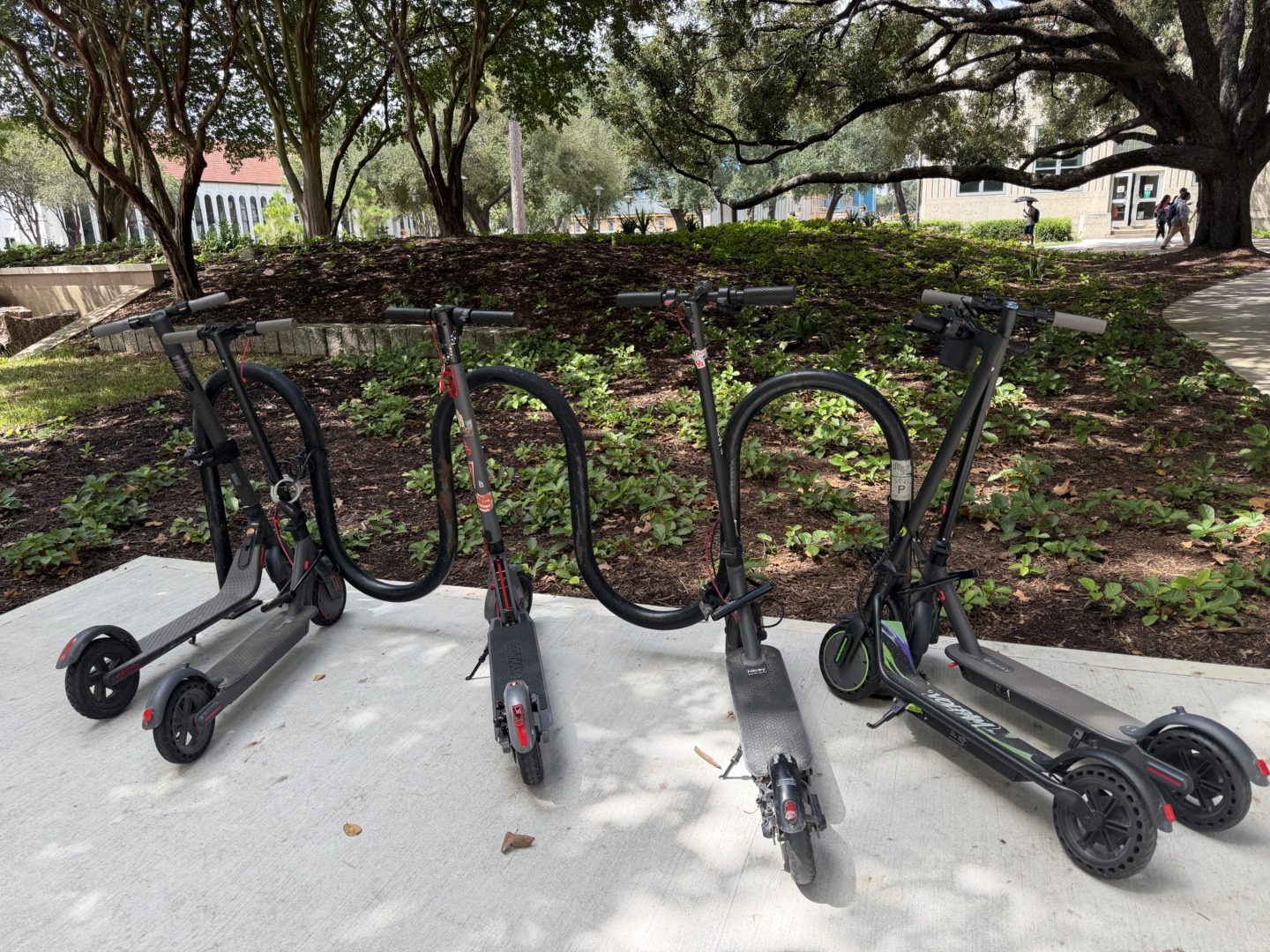
Scooters secured by U-locks on September 15, 2026, in Houston, Texas. | Karen Wei/The Cougar

To combat theft, UH Police Department and Parking and Transportation Services are providing free U-locks to students for the third year. Since the beginning of the semester, around eight bicycles and scooters have been stolen, according to UHPD crime prevention officer Amir Watkins.

To get the U-lock, students must register their bicycle or scooter on their myParking portal and input its serial number, which can be found indented underneath the bicycle’s pedals or on the neck at the bottom of a scooter.

After registering their bicycle or scooter, students can go to either the main police station or the substation to pick up the U-lock. UHPD will give students the lock upon verifying registration.

“It’s free and it’s a nice lock that the University and parking partnered together to pay for so you guys can keep your things safe,” Watkins said.

To use the lock properly, students should put the lock around the neck of the scooter or around the frame of the bicycle. Students should also not lock their bicycle/scooter on anything other than a bike rack.

“If it’s stairs or ramps, that is a fire hazard,” Watkins said. “Fire marshals are going to start strictly enforcing that.”

If a student’s bicycle or scooter is stolen, they should contact UHPD as soon as possible. UHPD will put it in their system and run the serial number if they find it. Registering bicycles and scooters gives information to police, so they can return it to students if found.

“The more U-locks we put out, the more people take advantage of (the U-locks),” Watkins said. “I believe the theft of scooters and bicycles are going down, but we have to get more people involved in taking advantage of U-locks and using the U-locks correctly.”

Along with keeping their bicycles and scooters safe, student riders also have a responsibility to keep others safe.

“Safety is not only when it’s locked up, but being safe when it’s being ridden as well,” Watkins said. “There’s a lot of traffic around campus, so be aware of your surroundings so we all can maneuver and get around campus safely.”

news@thedailycougar.com

—
“UHPD, parking provide free U-locks to students” was originally posted on The Cougar

Posted in UncategorizedComments Off on UHPD, parking provide free U-locks to students

MD Anderson Library marks 75 years with gala event

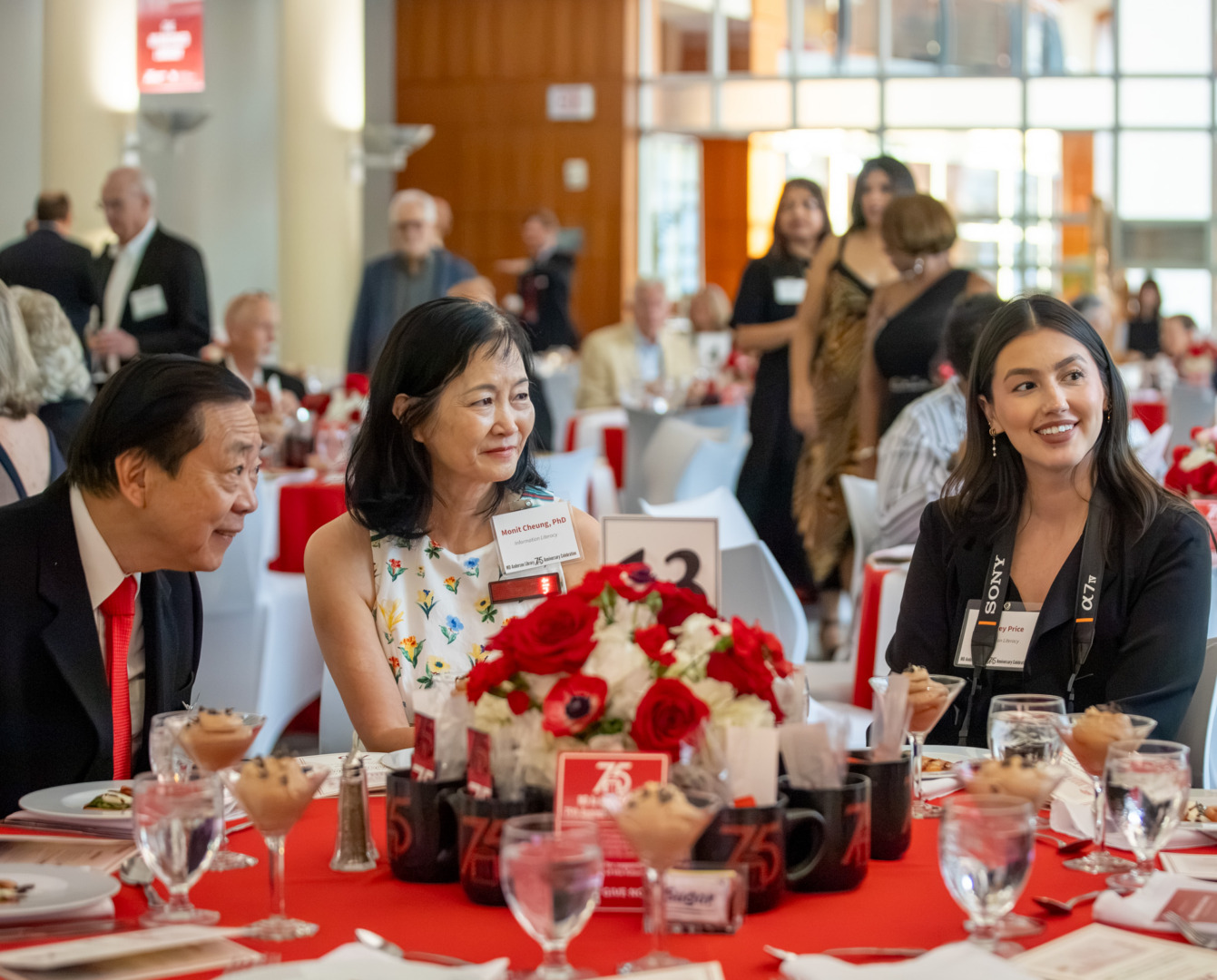
From using card catalogs to computerized systems to find books, the MD Anderson Library has evolved in many ways over the past 75 years. Donors, alumni and faculty celebrated the library’s 75th anniversary on Aug. 29 from 5:30 to 9 p.m. with the Catalog of Curiosities, five exhibits that feature the past, present and future of the library.

While the event celebrated the history of the library, it also looked forward to the future vision of a reimagined library.

“Libraries are a special place,” said donor relations manager Carina Pouraryan. “They’re always a place of community and how our communities interact with one another and seek knowledge changes.”

The transition from a quiet library filled with books to a collaborative, digital space was prompted by the rise of the digital age and how it has changed the way people learn. 

Monit Cheung is a professor of social work and has been teaching at UH for 36 years. Cheung said that when she assigns her students readings, she can tell some of them don’t read much.

“I hope the library will find creative ways to engage students in conferences that could be jointly hosted by the library and a department, so that students will feel they have events that belong to them,” Cheung said.

One of the resources students can access at the library is the special collections and university archives. The collections feature rare books and manuscripts and many are primary sources only available at UH.

“We exist for the students,” said Associate Dean for Special Collections and Preservation Lauren Gottlieb-Miller. “For an event like this where we’re able to build relationships with our donors and other interested members of the community to help bring attention to this, we can continue to improve and build the collections to benefit our students.”

Keith Hughey is an alumnus who graduated in the 1970s. He was invited to the celebration and experienced the special collections exhibit.

“The exhibits are just incredible, particularly some of the special archive exhibits,” Hughey said. “We’ve really enjoyed looking through those. It brings back some memories from being here on campus.”

The library continues to be a shared space for learning, collaboration and memories because of the community’s engagement. Earlier this year, students and staff participated in a daytime celebration of the library’s 75th anniversary. 

“Community support is the foundation of public spaces like this,” Pouraryan said. “Community support helps amplify the mission of the library and helps us move toward our vision at a sustainable pace.”

news@thedailycougar.com

—
“MD Anderson Library marks 75 years with gala event” was originally posted on The Cougar

Posted in UncategorizedComments Off on MD Anderson Library marks 75 years with gala event