
Author Archives | Alan Zamora

An ode to Black musicians: How they fought discrimination with music

Nina To/ The Cougar

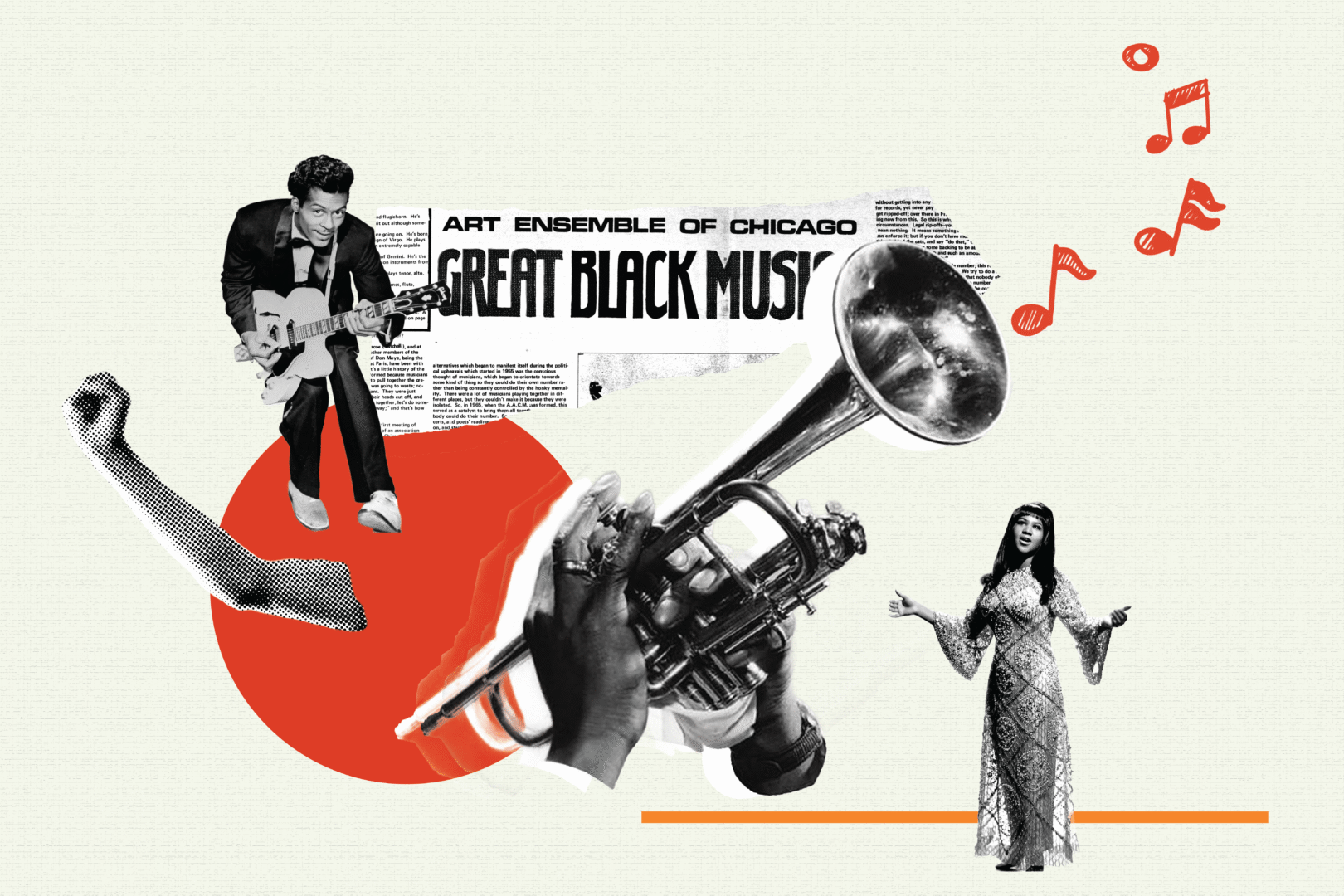
Music history is Black history. Filled with the pioneering jazz musicians of the 1930s and 1940s, to the sensual Soul artists of the 1960s and 1970s and the bold Hip-Hop creatives of the 1990s. 

Innovative, emotionally charged and intellectually poignant are a few words that describe many of the great African American Musicians. The intellectual and cultural exchange of music has been a pivotal tool to help tear down racial barriers, influence and persuade in the fight for civil rights. 

The history of African American musicians shows that cultural influence precedes political change and that, without the social leverage gained by many Black musicians, the fight for civil rights would have been a much longer, tougher battle.

Creating leverage

Nina Simone, at just 12 years old during her first classical recital, watched as her parents were forced into the back to accommodate white patrons. Nina then promptly refused to perform until her parents were moved back to the front. Even at such a young age, Nina Simone understood the universal truth that talent is a form of social influence.

African American musicians were trailblazers in promoting a culture that was less prejudiced and discriminatory, both directly and indirectly. Many African American musicians, like Duke Ellington, were the first to be allowed in segregated spaces as entertainers.

This vanguard of African Americans indirectly challenged many racist preconceived notions. Their displays of technical brilliance in music stood in sharp contrast with prejudiced expectations of how African Americans should act.

Duke Ellington and Billie Holiday’s performances were more than just music; they were a conversation. A conversation that African Americans were no different and didn’t deserve to be discriminated against.

Furthermore, through their musical performances, many African Americans gained wealth and popularity, enabling them to refuse to perform in segregated venues. This would have been unthinkable to anyone living in the Jim Crow era, but musicians were such valuable assets that it allowed African Americans privileges of a much later time as they broke barriers of who had financial and societal power.

Soft Power

Music has always been a tool for advocacy. For African Americans during the civil rights era, it had more purpose than just simply pushing for political change, as it was used as an honest recount of their struggles. 

Many songs, such as Nina Simone’s “Four Women” or Billie Holiday’s “Strange Fruit,” presented the chilling reality of life in slavery in a particularly frightening way. It leaves no room for anyone to deny the injustices that African Americans faced.  

For the people who didn’t witness these cruelties on a daily basis or chose to minimize and ignore discrimination, it shone a light on a part of society that many people did not want to address. This music served as a form of soft power in the fight for better and equal rights, as it increased sympathy for the plight of African Americans.

What made music so effective in these circumstances stems from its ease of portability for people of all races. Black people could not usually enter white people’s spaces, but music had the power to infiltrate any space, even ones that were separated.

Political changes and policies follow the way of the times. If America didn’t have musicians who pushed for societal change, the task of integration and tearing down racial barriers would have been much more grueling.

The trail left by African American musicians laid the foundation for many artists to learn about how to use their platform to advocate for their own social causes. Music is a frontier for societal culture, with African American musicians often being raiders of discrimination and prejudice that lingers within it. 

opinion@thedailycougar.com

—
“An ode to Black musicians: How they fought discrimination with music” was originally posted on The Cougar

Posted in UncategorizedComments Off on An ode to Black musicians: How they fought discrimination with music

An ode to Black musicians: How they fought discrimination with music

Nina To/ The Cougar

Music history is Black history. Filled with the pioneering jazz musicians of the 1930s and 1940s, to the sensual Soul artists of the 1960s and 1970s and the bold Hip-Hop creatives of the 1990s. 

Innovative, emotionally charged and intellectually poignant are a few words that describe many of the great African American Musicians. The intellectual and cultural exchange of music has been a pivotal tool to help tear down racial barriers, influence and persuade in the fight for civil rights. 

The history of African American musicians shows that cultural influence precedes political change and that, without the social leverage gained by many Black musicians, the fight for civil rights would have been a much longer, tougher battle.

Creating leverage

Nina Simone, at just 12 years old during her first classical recital, watched as her parents were forced into the back to accommodate white patrons. Nina then promptly refused to perform until her parents were moved back to the front. Even at such a young age, Nina Simone understood the universal truth that talent is a form of social influence.

African American musicians were trailblazers in promoting a culture that was less prejudiced and discriminatory, both directly and indirectly. Many African American musicians, like Duke Ellington, were the first to be allowed in segregated spaces as entertainers.

This vanguard of African Americans indirectly challenged many racist preconceived notions. Their displays of technical brilliance in music stood in sharp contrast with prejudiced expectations of how African Americans should act.

Duke Ellington and Billie Holiday’s performances were more than just music; they were a conversation. A conversation that African Americans were no different and didn’t deserve to be discriminated against.

Furthermore, through their musical performances, many African Americans gained wealth and popularity, enabling them to refuse to perform in segregated venues. This would have been unthinkable to anyone living in the Jim Crow era, but musicians were such valuable assets that it allowed African Americans privileges of a much later time as they broke barriers of who had financial and societal power.

Soft Power

Music has always been a tool for advocacy. For African Americans during the civil rights era, it had more purpose than just simply pushing for political change, as it was used as an honest recount of their struggles. 

Many songs, such as Nina Simone’s “Four Women” or Billie Holiday’s “Strange Fruit,” presented the chilling reality of life in slavery in a particularly frightening way. It leaves no room for anyone to deny the injustices that African Americans faced.  

For the people who didn’t witness these cruelties on a daily basis or chose to minimize and ignore discrimination, it shone a light on a part of society that many people did not want to address. This music served as a form of soft power in the fight for better and equal rights, as it increased sympathy for the plight of African Americans.

What made music so effective in these circumstances stems from its ease of portability for people of all races. Black people could not usually enter white people’s spaces, but music had the power to infiltrate any space, even ones that were separated.

Political changes and policies follow the way of the times. If America didn’t have musicians who pushed for societal change, the task of integration and tearing down racial barriers would have been much more grueling.

The trail left by African American musicians laid the foundation for many artists to learn about how to use their platform to advocate for their own social causes. Music is a frontier for societal culture, with African American musicians often being raiders of discrimination and prejudice that lingers within it. 

opinion@thedailycougar.com

—
“An ode to Black musicians: How they fought discrimination with music” was originally posted on The Cougar

Posted in UncategorizedComments Off on An ode to Black musicians: How they fought discrimination with music

An ode to Black musicians: How they fought discrimination with music

Nina To/ The Cougar

Music history is Black history. Filled with the pioneering jazz musicians of the 1930s and 1940s, to the sensual Soul artists of the 1960s and 1970s and the bold Hip-Hop creatives of the 1990s. 

Innovative, emotionally charged and intellectually poignant are a few words that describe many of the great African American Musicians. The intellectual and cultural exchange of music has been a pivotal tool to help tear down racial barriers, influence and persuade in the fight for civil rights. 

The history of African American musicians shows that cultural influence precedes political change and that, without the social leverage gained by many Black musicians, the fight for civil rights would have been a much longer, tougher battle.

Creating leverage

Nina Simone, at just 12 years old during her first classical recital, watched as her parents were forced into the back to accommodate white patrons. Nina then promptly refused to perform until her parents were moved back to the front. Even at such a young age, Nina Simone understood the universal truth that talent is a form of social influence.

African American musicians were trailblazers in promoting a culture that was less prejudiced and discriminatory, both directly and indirectly. Many African American musicians, like Duke Ellington, were the first to be allowed in segregated spaces as entertainers.

This vanguard of African Americans indirectly challenged many racist preconceived notions. Their displays of technical brilliance in music stood in sharp contrast with prejudiced expectations of how African Americans should act.

Duke Ellington and Billie Holiday’s performances were more than just music; they were a conversation. A conversation that African Americans were no different and didn’t deserve to be discriminated against.

Furthermore, through their musical performances, many African Americans gained wealth and popularity, enabling them to refuse to perform in segregated venues. This would have been unthinkable to anyone living in the Jim Crow era, but musicians were such valuable assets that it allowed African Americans privileges of a much later time as they broke barriers of who had financial and societal power.

Soft Power

Music has always been a tool for advocacy. For African Americans during the civil rights era, it had more purpose than just simply pushing for political change, as it was used as an honest recount of their struggles. 

Many songs, such as Nina Simone’s “Four Women” or Billie Holiday’s “Strange Fruit,” presented the chilling reality of life in slavery in a particularly frightening way. It leaves no room for anyone to deny the injustices that African Americans faced.  

For the people who didn’t witness these cruelties on a daily basis or chose to minimize and ignore discrimination, it shone a light on a part of society that many people did not want to address. This music served as a form of soft power in the fight for better and equal rights, as it increased sympathy for the plight of African Americans.

What made music so effective in these circumstances stems from its ease of portability for people of all races. Black people could not usually enter white people’s spaces, but music had the power to infiltrate any space, even ones that were separated.

Political changes and policies follow the way of the times. If America didn’t have musicians who pushed for societal change, the task of integration and tearing down racial barriers would have been much more grueling.

The trail left by African American musicians laid the foundation for many artists to learn about how to use their platform to advocate for their own social causes. Music is a frontier for societal culture, with African American musicians often being raiders of discrimination and prejudice that lingers within it. 

opinion@thedailycougar.com

—
“An ode to Black musicians: How they fought discrimination with music” was originally posted on The Cougar

Posted in UncategorizedComments Off on An ode to Black musicians: How they fought discrimination with music

A mayor in disarray: Whitmire leaves Houstonians disappointed

Nina To/ The Cougar

“Everyone should be smiling this morning because the people of Houston are smiling, because they’ve elected a mayor who is going to listen to them, a mayor who is known for solving problems.” 

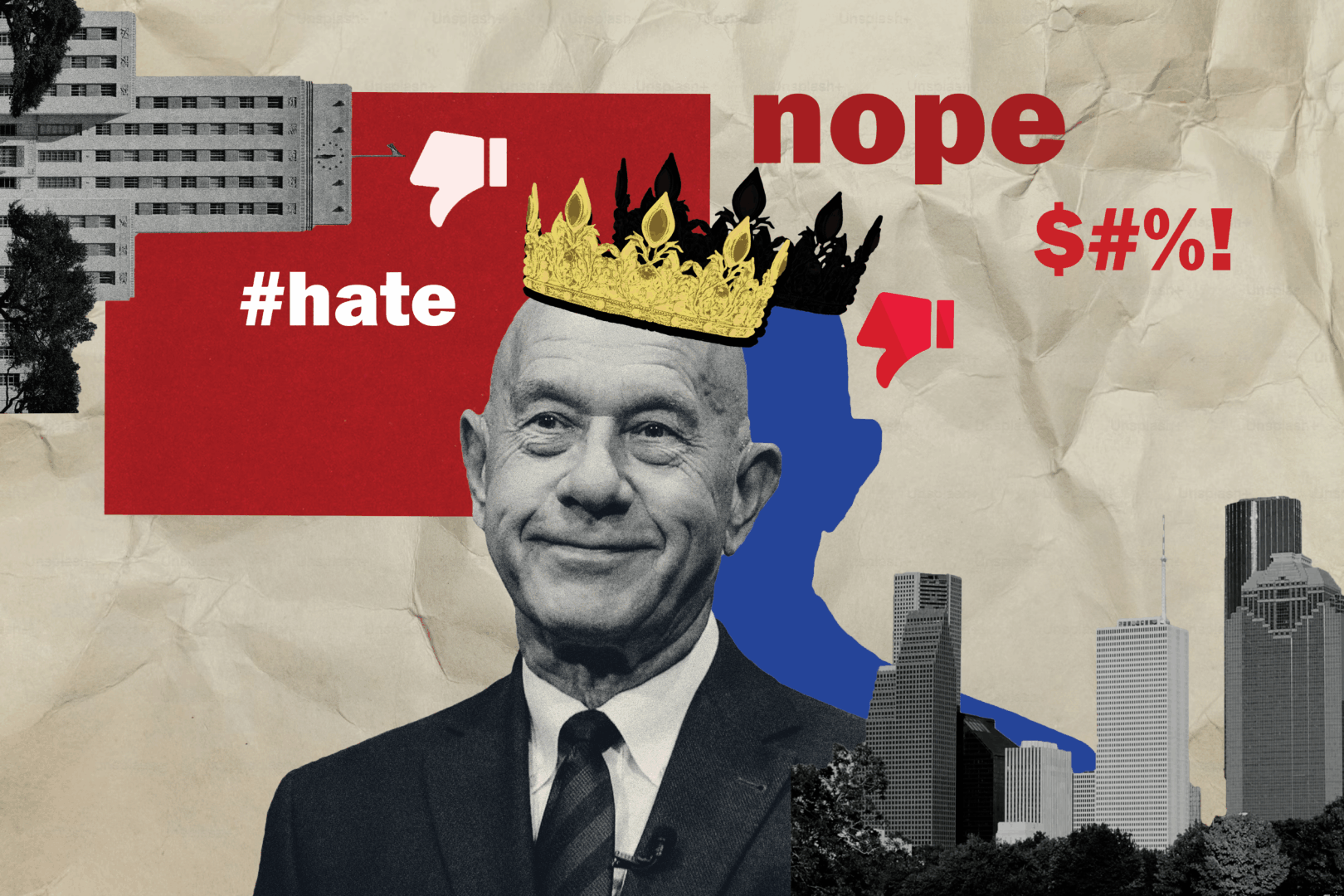
Two years have passed since John Whitmire made this triumphant statement during his inauguration as mayor. Looking back at this, once a hopeful moment in Houston history has led many Houstonians, including me, to crease our mouths into a frown.  

Whitmire’s tenure following his inauguration has been riddled with controversy, backlash and even expulsion by his own political party.

His term of office has been encompassed by an attitude of dismissiveness, bureaucratic inadequacy and regressive policies. This leaves many Whitmire voters, such as myself, regretting their voting decision.

Disappointment

Whitmire was supposed to be a hopeful page-turning moment in Houston’s history, a candidate who, on paper, seemed worthy to lead the fourth-largest city in America. He represented Houston in the Texas legislature for 50 years, was the longest-serving member of the Texas Senate and served on many important Senate committees.

During Whitmire’s campaign, he emphasized that his mix of experience, pragmatism and efficiency was the right approach for Houston. He also argued that his background and connections in the Texas legislature could bring real change. 

This resonated with me and many other voters who felt the Sylvester Turner administration was passive in enacting meaningful change in the city. As a result, Houston seemed to decline in the wider American sphere.

Whitmire ultimately succeeded in his mayoral bid, garnering 64.4% of Houston’s total votes and endorsements across the political spectrum, from the Houston Chronicle to Tillman Fertitta. The city was behind him. 

Two years later, the bright, vivid picture of Houston that many voters had envisioned had faded, painted over by the gray reality of Whitmire’s time in office.

Whitmire’s actions and behavior over the past two years have contradicted much of the agenda he outlined in his speech and campaign. Instead of being understanding and attentive, he has been disengaged and dismissive; his pragmatism has disappeared and the transparent, honest administration he promised has been discredited by evasion and lies.

For instance, Whitmire has struggled to take a practical approach to raising taxes amid Houston’s $227 million budget deficit. As tough a decision as it might be, his cuts to METRO funding and reduction of city administration leave him very short-handed on other options to reduce the deficit.

Sylvester Turner’s candidacy was marked by a lack of transparency and honesty, something Whitmire vowed to undo in his administration. 

Leadership failures

Unfortunately, Whitmire has rolled back on his promise not to divert drainage funds, investing in the demolition of buildings. This is a problem for many Houstonians, and a survey of voter priorities for the mayor ranked infrastructure in the top 3 at 73%, with drainage and water supply included.

In addition, Whitmire has been evasive about ICE’s involvement in Houston, tiptoeing around the issue and leaving Houston residents uninformed. A well-explained statement from Whitmire can clarify what powers his administration has in the matter, but he has been too weak-willed to be honest.

Most importantly, Whitmire does not possess the qualities that a public servant, much less a mayor, should have: understanding and adequately articulating his actions. 

When faced with the question of efforts to recall him, he described the efforts as “silly,” dismissing the recall as petty rather than addressing the concerns of his constituents. 

Furthermore, when he canceled the METRONext initiative, he did little to involve Houstonians or explain his actions thoroughly, even though they had democratically voted for the expansion.

Voters regret

When I cast my mayoral runoff vote on that early November day for Whitmire, I did not foresee myself making a mistake. Whitmire convincingly argued that pragmatism and progress could coexist, that his reputation showed he could bring real change to the city. Sadly, he was just that, convincing.

Whitmire was not as outspokenly progressive as I would hope a candidate would be, but I was willing to overlook my qualms, given the limited change that previous progressive administrations produced and the unimpressive lineup of opposing candidates.

The problem is that Whitmire’s whole schtick was his competency and sensibility; when he fails to be those qualities, it leaves little to make him an appealing mayor. He is neither a problem-solver nor an idealist, so as I look back at my decision, I wince in regret. 

Why did I and other voters make the sacrifice of a more centrist-oriented mayor if he has failed to bring any of the supposed benefits that entail?

Whitmire’s mayoral term teaches a valuable lesson in politics: ideas of realism sound good when faced with the opposing option of strict idealism, but they can lead to the worst of both.

Houston deserves both, and citizens should be unrelenting in their quest to seek candidates who are more than one-trick ponies.

Opinion@thedailycougar.com

—
“A mayor in disarray: Whitmire leaves Houstonians disappointed” was originally posted on The Cougar

Posted in UncategorizedComments Off on A mayor in disarray: Whitmire leaves Houstonians disappointed

The price tag on quality education

Lily Huynh/The Cougar

The school board meeting was unusually crowded. A hot-button education issue was afoot. A typically empty seating area now brimmed with parents talking over one another; the silence that signals contentment was nowhere to be found.

The school district had devised a redistricting plan that would send their children to a different, worse school, rendering years of careful planning about where to live seemingly meaningless.

School redistricting is just one of the many obstacles parents face in their ongoing effort to provide their child with a good education.

They had cast aside family supper for a cause of the utmost importance. Bound by something stronger than agreement or familiarity, they were united by concern for their children.

Failing to provide a good education for their children is one of the greatest fears parents face. This fear comes from the enormous advantage a good education provides and, in contrast, the lifelong disadvantage a poor one creates. A quality education should not depend on whether parents can afford thousands of dollars in tuition or on the particular area where a family lives.

Education Inequality

Many Americans today are aware of wealth inequality, but few notice the substantial educational imbalance. School ratings and funding are closely correlated with housing prices and tuition, creating an educational barrier for children from low-income households. 

Public school funding, to a large extent, is funded by local property taxes. This funding structure means that public schools in low-property-value areas receive less funding.

These areas are often poorer, which puts their schools at a significant disadvantage. Adequate funding is necessary for teacher retention and for classroom resources; without it, school quality suffers. 

Public school quality not only shapes housing prices but also increases the property values of households zoned to higher-performing schools. This dynamic further excludes lower-income families from living near strong public schools. 

For example, Carroll Independent School District in Dallas has an average school rating of 9, and housing prices in the area reflect this quality. The median home price is $1.7 million, which is 391% higher than in surrounding metropolitan areas.

Private school and the class divide

Private schools provide an alternative for higher-income families when their household is not zoned to a strong public school. Lower-income households don’t have the same luxury since the average cost of K-12 private schools in America is $12,970/Year. Private schools often provide lower class size, more funding per student and have substantially better teacher retention. 

In the U.S., wealthy families have the privilege of choosing their children’s education, as the cost of undereducation carries far fewer consequences for them than any tuition price. Underprivileged families, on the other hand, must juggle housing, tuition and school quality, all while the risk of their child being placed at a disadvantage looms over them.

Class and occupation are largely determined by a person’s education and socioeconomic status. When we structurally divide lower-income families to lower-performing schools, we are, in essence, solidifying people in the class they were born into.

A Step Backwards

Recently, in the U.S., we have implemented measures defunding public education and educational grants under the guise of freedom of choice and unnecessary bloat. 

School vouchers have become a mainstay in many states, such as Florida and Arizona, with advocates arguing they offer expanded school choice and an opportunity for low-income students to attain a higher-quality education. 

This is a policy that could have its merits if it weren’t shown to be largely ineffective and a ruse to cut public education funding, while funding private, often religious institutions. 

A substantial number of people who make use of school voucher funds are not low-income and are already attending private schools.  In Florida, 69% of applicants to the voucher program were already enrolled in private schools beforehand. Furthermore, even when states impose income caps like Iowa, the wealthier classes still benefit largely over poorer communities. 

In Texas, state vouchers would provide $10,800 per child, but that falls short of the average Texas private school tuition of $14,906, cutting off many lower-income families. This shows that the main benefactors of school vouchers are mostly middle-income families or people already enrolled in private schools. Lower-income children who are in the most dire need of tuition funds do not benefit at a high enough rate to justify school vouchers. 

School vouchers, in addition to being ineffective for lower-income families, also defund public schools by lowering public school enrollment and increasing educational spending without any funds going to public schools. 

Building a fairer education system

It is a much better policy to shift the funding of public schools away from local property taxes and make it more reliant on state and federal funding, reducing educational inequality. In addition, expanding magnet school programs provides more school choice options for students regardless of income.

Education is not simply an issue that affects children; it influences every corner of American society, from higher civic engagement to lower poverty and crime rates. A child’s educational quality should not be limited by their family income, only by their desire to attain academic excellence. The educational policies and politicians we support today shape America’s future prosperity.

Opinion@thedailycougar.com

—
“The price tag on quality education” was originally posted on The Cougar

Posted in UncategorizedComments Off on The price tag on quality education