

Lily Huynh/ The Cougar
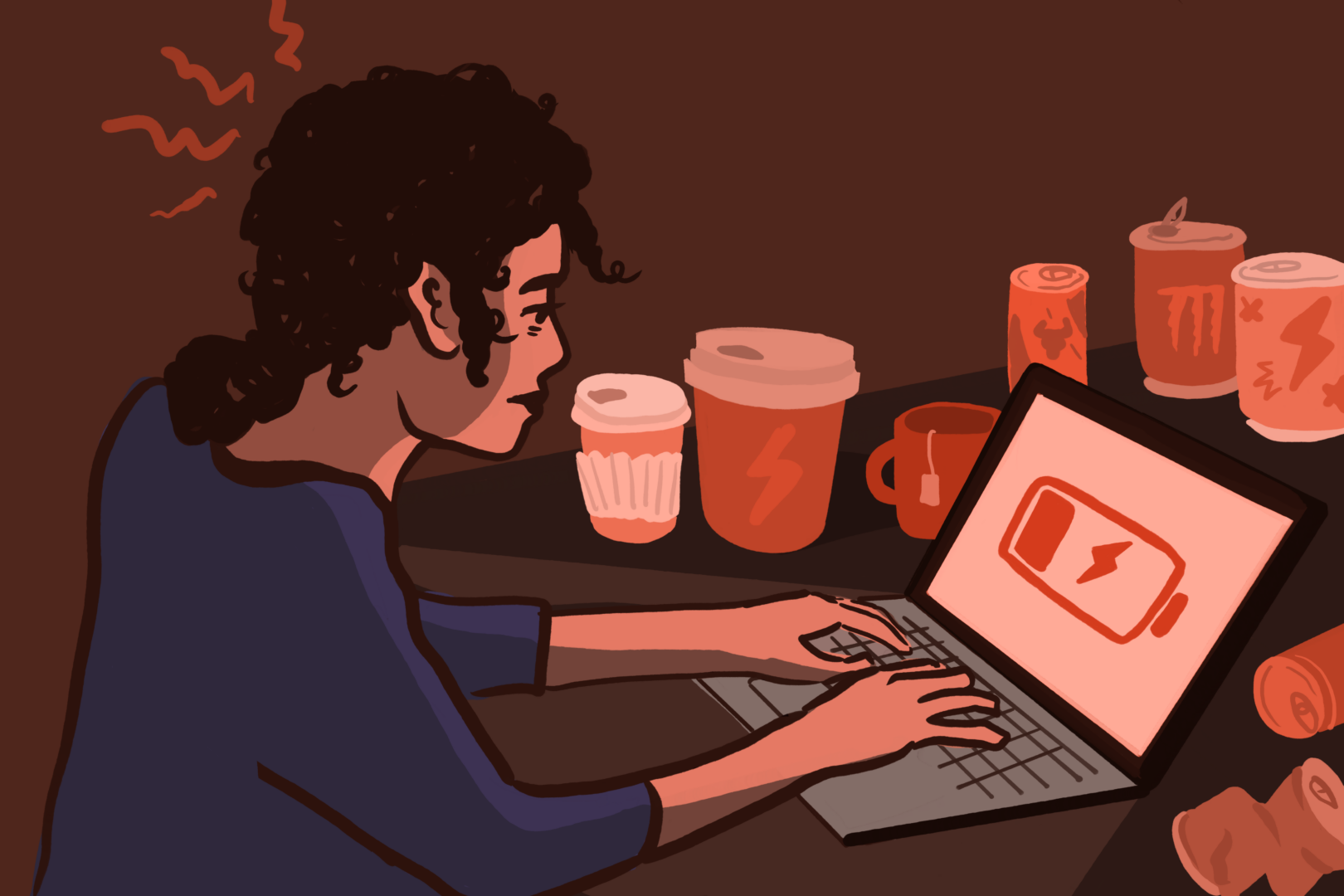
Late night study sessions and early classes have made energy drinks a daily staple for many college students. But relying on caffeinated beverages to push through fatigue can create a physical cycle that trades temporary alertness for sleep disruption and heart strain.
Didactic Program Director and Clinical Professor Kevin Haubrick surveyed his class of 293 students on energy drink consumption. About 40% of the surveyed students consume energy drinks daily or weekly, while one-third consume none. The most common energy drinks consumed were Red Bull, Rockstar and Monster Energy.
“I have them once or twice a week. I typically have one with a meal for lunch when I’m tired or when I want to stay up late for studying and gaming,” said electrical engineering senior Michael Juds. “Sometimes I can feel my heart beat faster, but I think they’re mainly harmless except for people with pre-existing heart conditions.”
Is Juds right? While elevated heart rate and blood pressure are common side effects of energy drink consumption, high intake carries lesser-known health risks.
UH faculty experts point out that there are additional consequences that energy drink consumption can lead to.
“I think dehydration could possibly be something to consider and then even irregular heartbeat,” Haubrick said. “It may even cause GI (gastrointestinal) discomfort. If we drink too much energy drinks, too much caffeine leads to increased blood pressure, heart rate, those types of things, which can be dangerous.”
These physical reactions affect students regardless of age. Haubrick emphasizes that excessive caffeine consumption leads to similar cardiovascular issues in both younger and older adults. Younger adults, though, can feel invincible and fail to consider adverse side effects until symptoms manifest.
“(I drink energy drinks) once a day or every other day, usually to stay awake and more importantly, alert enough to go to lectures and study,” said civil engineering sophomore Russel Sidni. “I’ve experienced stomach pain, bloating, anxiety, restlessness, all the typical stuff.”
With other students, the physical reaction can feel far more alarming even with infrequent intake. Due to the availability of energy drinks on campus, consumption can be hard to resist.
“(I drink energy drinks) once or twice a month, because it’s there or offered to me, but I usually feel dizziness, sleepiness, fast heart rate, and feel like I’m dying,” said integrated studies senior Auguste Solis.
Misconceptions
But there are many misconceptions about the effects of energy drinks, too.
Misconception: Energy drinks give you more energy.
Truth: Energy drinks do not actually provide more energy, they block the chemical signals that make a person feel tired, masking fatigue rather than restoring energy.
“It just covers up the feeling of tiredness, so you can’t replace sleep with caffeine,” Haubrick said.
Misconception: Energy drinks result in better performance.
Truth: Higher caffeine intake does not equal better academic performance. Taking too much elevates blood pressure and heart rate, leaving students jittery and unable to focus.
Four hundred milligram limit
The U.S. Food and Drug Administration cites 400 milligrams of caffeine per day as a general threshold without negative effects for healthy adults. However a standard energy drink can account for a large portion of that daily limit: an 8.4 oz can of Red Bull contains 80 mg of caffeine, and a 16 oz Monster energy contains 160 mg.
Caffeine acts directly on the nervous system, where excessive intake drives feelings of anxiety and irritability.
For students taking tests and managing academic pressures, this reliance can create a continuous stress loop: taking energy drinks to combat exhaustion disrupts sleep, while an added layer of stress damages overall mental health.
“It becomes a cycle: we take energy drinks because we’re tired, we’re irritable, those types of things that can lead to stress, and then stress leads to not getting enough sleep and not getting enough sleep streams to drinking more energy drinks,” Haubrick said.
news@thedailycougar.com
—
“Energy drinks are a mixed bag: Are students using them correctly?” was originally posted on The Cougar