
Photographs, once taken, become a double act of viewing: first of the one who takes and frames a photo, and subsequently of others who view an image as a secondary observer. In the act of viewing, the viewer repositions their relationship to an image through context and framing; photography, then, can at times emphasize the photographer’s singular relationship with an image over the subtler transformation that happens underneath its presentation to an audience.
Vesna Pavlović’s photography challenges that one-dimensional mode of photography through presenting subjects that expose their instability: “No Ordinary Sunset”, taken on the Angolan coast at sunset, exaggerates its depth through its dusky coastal horizon and inky water.
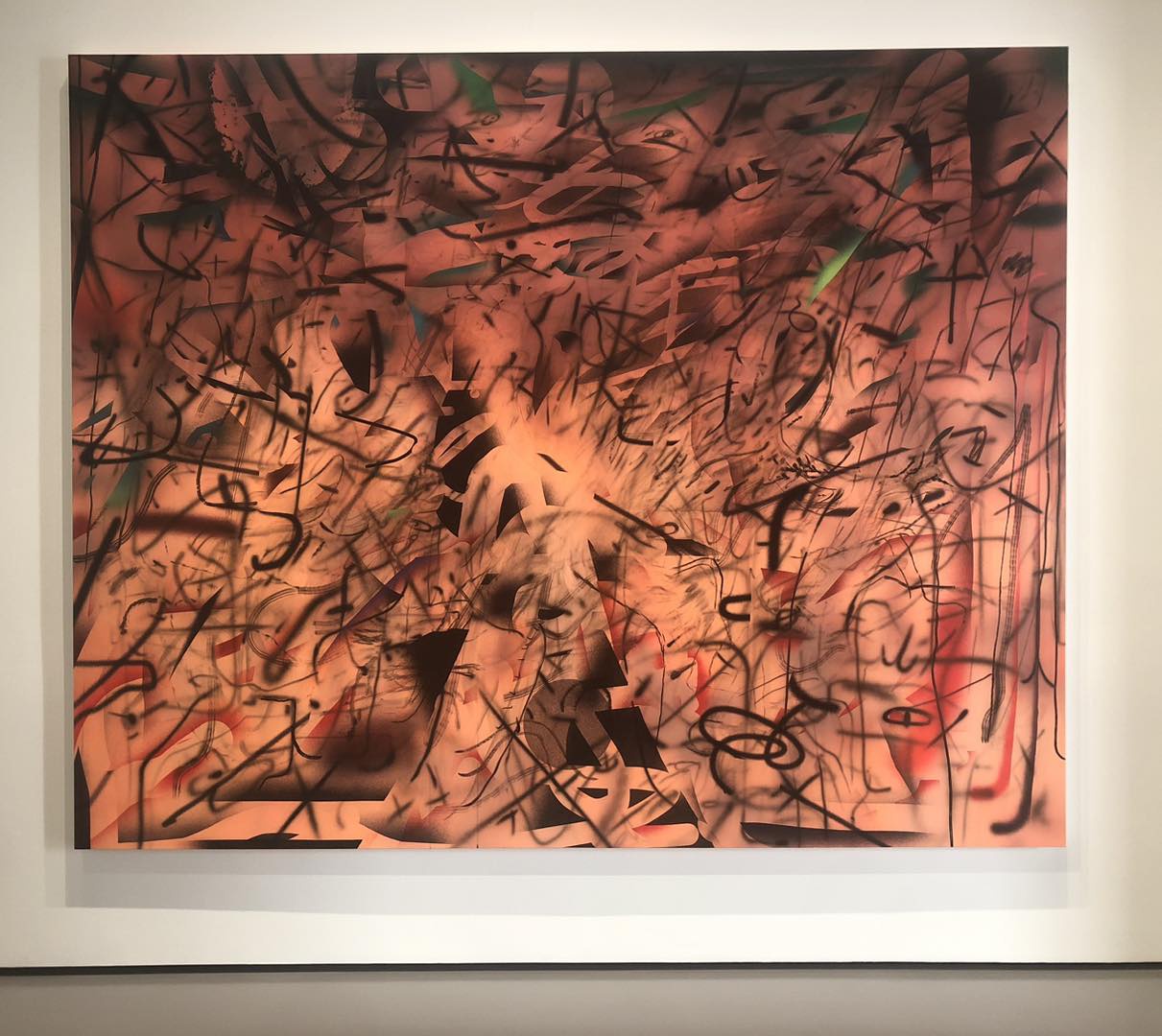
Printed across a 60 x 40 inch print, the photo positively washes the viewer in the same way the paintings of Rothko or Mehretu might. In some sense, all three artists interrogate perspective through their modes, but where the latter two create that process through abstraction, Pavlović’s photography is deeply material and embodied, asking the audience to work through the texture of political pasts by capturing them in such fragile states.
Pavlović’s exhibition, “A Room With a View”, opened Oct.17 at RecRoom, a new contemporary art exhibit in South Eugene owned and operated by Sarah Finlay. The book edition of “Prefabricating Solidarity” has been available for purchase at RecRoom, and the warmth and homeliness of Finlay’s exhibit space emphasizes the richness of Pavlović’s work all the more.
Comprised of photographs from multiple of her collections, Pavlović’s photography presented in “A Room With A View” introduces visitors to many of her core themes: contradictions between political ambitions and their institutional realizations; the act of “viewing” as a multifaceted, intersectional act across physical and emotional space; the shared visual language of Non-Aligned Movement countries that lend continuity and shared aesthetic to places thousands of miles away from one another.
Pavlović began initially as a photojournalist, documenting the feminist anti-war “Women in Black” protests in her native Yugoslavia and the lives of people living through constant destruction and reconstruction of her home throughout his presidency and subsequent death. Her later turn towards photography, missing that direct human presence, arises from similar principles, with the feeling that her home country’s architecture and its surrounding countries together existed “outside history,” discussed during her Oct.15 talk at Lawrence Hall alongside art history professor Julie Hessler and Indiana University’s Nicoletta Rousseva, who wrote the essay accompanying the exhibit for the program available at RecRoom.
The documentary nature of Pavlović’s photography expands each image beyond itself, centering the material and human conditions underlying the architecture and environments in her work; her earlier exhibit “Fabrics of Socialism” earns its intimacy through quiet images of cluttered shelves and historic film reels projected on a curtain, deploying the flush of wars and ethnic conflicts after Yugoslavian president Josip Tito’s death against the fuzzy collective memory of his presidential career and preserved state ideology.
Pavlović’s photography for the collaborative collection “Prefabricating Solidarity” at Vanderbilt (where she also serves as the Paul E. Shwab Chair in Fine Arts and Professor of Art) similarly transforms what she frames – buildings of Non-Aligned movement countries during the Cold War, constructed uniquely out of concrete columns and slabs connected through steel cables due to their cutoff of resources from either the United States or Soviet Union – out of the beautiful photographs they are into a more sumptuous and complicated dialogue with colonialism, globalization, and modernity.
In conjunction with the exhibit’s opening, Pavlović and Nicoletta Rousseva (who wrote “A Room With a View”’s program notes) held a talk at Lawrence Hall, moderated by UO Professor of History Julie Hessler. The two’s backgrounds in European art and political history have made them an apt collaborative pair, both examining how art and political structures speak to one another across their respective professional mediums.
It is also not Pavlović’s first time having her art featured in Eugene: the downtown Eugene restaurant Domek permanently features pieces from her collection “Kolekcija” inside, and was the introductory point between Pavlović and Finlay, who helped with brokering the deal between Pavlović and Domek. In this sense, “A Room With a View” further establishes Pavlović’s presence within the Eugene contemporary art world, both at the University of Oregon and the surrounding community.
Pavlović and Rousseva’s talk explored the connections of “statehood, power, and design” in the former’s photography, anchored through her work and further articulated by both speakers’ close personal and academic relationships to the same parts of the world.
The post A Room With a View: Vesna Pavlović’s discursive photography appeared first on Daily Emerald.