
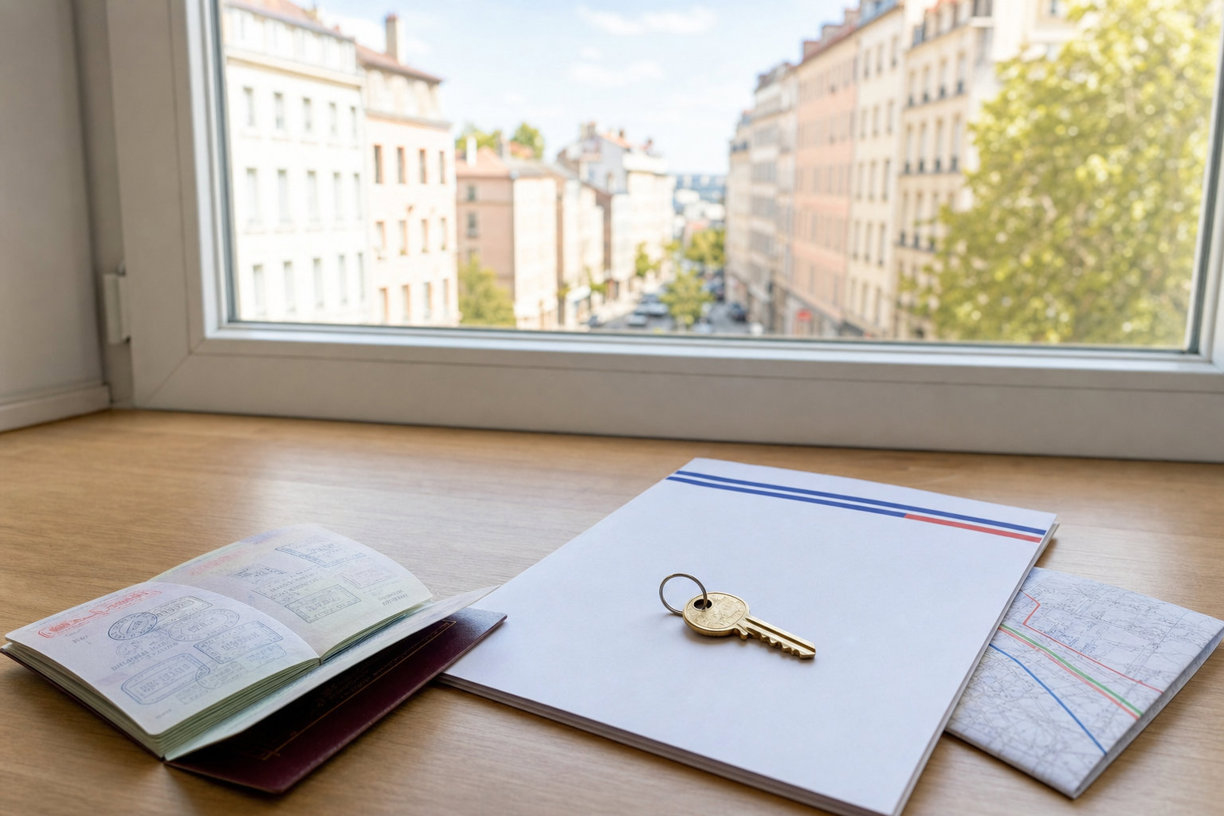
Studying abroad offers more than classrooms and famous sights—it’s about the everyday discoveries that shape who you are. For Oregon students, choosing a smaller French city over Paris can provide a deeper, more immersive experience in French culture. These environments foster adaptability, independence, and personal growth through local routines, real community, and meaningful challenges.
For many students from Oregon, France conjures images of Parisian streets, world-class art, and bustling neighborhoods. However, it is often in smaller French cities where the experience of living abroad truly deepens. Adapting to daily life in places like Lyon or Rennes means you are more likely to handle essential tasks on your own, such as securing student accommodation or learning how to navigate new routines and transportation systems. Unlike in large cities where you might find comfort in English-speaking communities and familiar amenities, life in smaller cities draws you closer to authentic French customs and local ways of living.
Integration and first experiences beyond big-city comfort
Arriving in a smaller French city often brings immediate challenges that stretch far beyond sightseeing. Shops may close early, public transport might be less frequent, and the rhythm of daily life can seem unfamiliar compared to Oregon or Paris. These initial obstacles can feel disorienting, yet they are powerful prompts for developing resilience and resourcefulness.
Immersion happens quickly in these communities. Local routines, from greeting neighbors to shopping at family-run bakeries, rapidly become part of everyday life. Students quickly discover that integrating into local circles requires effort and curiosity, which can accelerate both language learning and a sense of belonging.
The absence of a large expatriate bubble in smaller cities means that students are naturally drawn into French social circles rather than clustering with other English speakers. Weekend markets become classrooms for negotiating prices and learning regional specialties, while university clubs and sports teams offer authentic friendships with local students who are genuinely curious about your Oregon background. This organic integration contrasts sharply with the experience in Paris, where international student enclaves can inadvertently limit cultural exchange. In cities like Montpellier or Nantes, you might find yourself invited to family dinners, regional festivals, or spontaneous gatherings that reveal the warmth and traditions of French provincial life in ways that guided tours and tourist districts never could.
Daily life as a path to cultural understanding and growth
Smaller French cities push international students to use the language in practical, sometimes demanding situations. Whether figuring out unfamiliar bus routes, handling paperwork for classes, or adjusting to meal times that depart from American norms, each encounter is a lesson in adaptation. English is less widespread in these regions, making every interaction an opportunity to work on your French and deepen your cultural understanding.
Even seemingly simple tasks like shopping for groceries or dealing with administrative requirements become pivotal in your development. The absence of familiar brands or foods encourages you to be inventive and resourceful, and often leads to discovering hidden local favorites. These continuous, hands-on experiences foster self-reliance while reinforcing why students abroad find smaller cities so transformative.
Building community and independence through housing and local networks
Finding your place to live is one of the first—and most meaningful—steps toward independence in France. The process of searching for student housing in Lyon, for example, can involve more documentation and planning than students from Oregon may expect. Many international students turn to platforms like Studapart to navigate the local rental system and find options that suit their needs. This process often becomes a valuable lesson in patience, communication, and self-advocacy.
Once settled, the tight-knit feel of residence halls and small apartment communities makes building friendships easier and more rewarding. Frequent encounters on campus or around town lead to lasting bonds, collaboration, and support. By joining local events or participating in study groups, you deepen your involvement, ultimately leaving with not just academic credit, but practical skills, strong relationships, and a new perspective on both France and yourself.
The post Opinion: Studying abroad feels richer in smaller French cities appeared first on Daily Emerald.