
.flex_cell.av-2ztpkp88-b37ef89d56e2aa0273db622f5cfd3909{
vertical-align:top;
}
FINANCE
USC neglected federal aid law, report finds
The Department of Education recommended a review of aid records.
#top .hr.hr-invisible.av-2rew9ut4-0fb59ad12d13570cea7825ab6c8f6e17{
height:10px;
}
By SPARSH SHARMA
#top .hr.hr-invisible.av-2caoan3s-b24c5a596cabea9668e774187abd3aa1{
height:10px;
}
.avia-image-container.av-28pt51fc-2cfd8d2f1e105df436364af0bd27233d img.avia_image{
box-shadow:none;
}
.avia-image-container.av-28pt51fc-2cfd8d2f1e105df436364af0bd27233d .av-image-caption-overlay-center{
color:#ffffff;
}
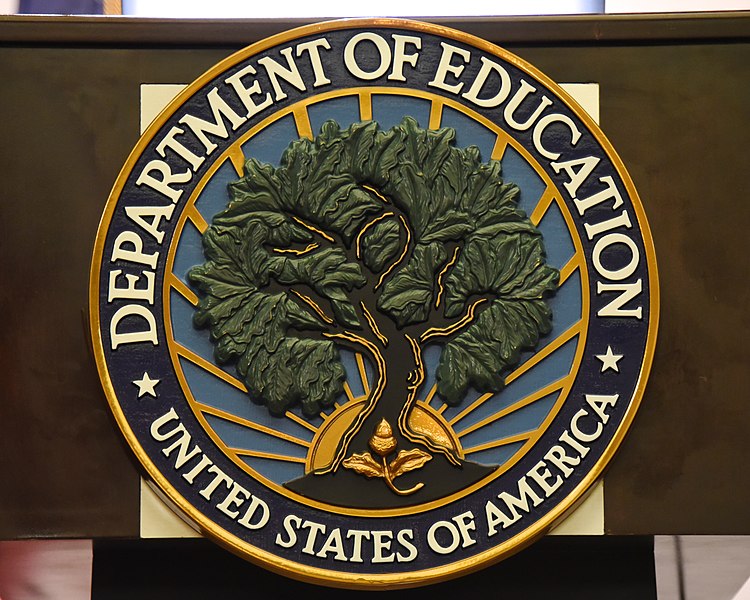
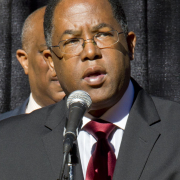
The University submitted its response April 26 in a 20-page letter to the Office of the Inspector General disagreeing with three out of four incriminating findings and subsequent recommendations. (Jonathan Wong / Daily Trojan)
.flex_cell.av-1tkd3qyg-d6ba0309aca11cb750a6b2d2ec1dcb7c{
vertical-align:top;
}
.flex_cell.av-1mtfni0o-3d065a8ff0c1a51e0b9a83cce027900e{
vertical-align:top;
}
#top .hr.hr-invisible.av-llzciydk-2bc82d09162332154fcb7f75355c01b4{
height:20px;
}
A two-year audit into USC’s handling of federal financial aid disbursement found the University improperly adjusted certain students’ data during the coronavirus pandemic without correct documentation to substantiate such changes.
A report published by the Office of the Inspector General of the United States Department of Education Aug. 24 noted a “high rate of noncompliance” for each of the samples it selected for review, and recommended a full review of the University’s records on students for whom financial aid administrators applied professional judgment.
In a statement sent to the Daily Trojan Wednesday, the University called the audit “unprecedented” in its scale and nature. It said it plans to submit additional comments to the Department of Education by the Sept. 23 deadline, after which the government will take final action on the audit.
The audit report recommended that the University perform a full review of its records and calculate exactly how much federal financial aid was improperly disbursed to 6,162 student recipients in fiscal years 2019-20 and 2020-21, “based on the high error rates for the students included in [the Department of Education’s] samples.”
Following a full review, the report recommended the University be made to return thousands of dollars’ worth of federal financial aid to the Department of Education and implement procedures to prevent systemic errors.
In one of its non-statistical random samples of 30 students, the Department of Education calculated that the University disbursed as much as $68,343 in federal financial aid more than it should have had it applied or documented its use of professional judgment according to federal law.
Professional judgment refers to a financial aid administrator’s ability to make adjustments to a specific student’s cost of attendance, income or other financial figures. That administrator has the authority to do this if the student faces special circumstances that are documented and “differentiate an individual student from a class of students,” according to the Higher Education Act of 1965.
After the coronavirus pandemic broke out in early 2020, the Department of Education issued guidance to universities’ administrators warning that high unemployment rates would increase the number of requests for schools to apply professional judgment. Then, in September 2020, the Department of Education began its audit into USC’s use of professional judgment. It reminded universities half a year later that they should still obtain the necessary documentation to substantiate any adjustments.
The Department of Education submitted its draft audit report to the University this March, outlining its findings that the University failed to both apply and document its use of professional judgment correctly and recommending further action.
The report took issue with several calculations the University made. For example, for 32 out of a 78-student sample, the University arbitrarily lowered students’ recorded adjusted gross income based on their home ZIP code instead of taking the true student-submitted value. By artificially decreasing students’ net income, the University effectively qualified them for a greater share of federal financial aid.
The University also adjusted one student’s adjusted gross income based on recurring Federal Direct PLUS loan payments made by their family to the student’s siblings. While the University claimed that these changes were made based on existing regulations, the report claims there exist no such guidelines regarding how a financial aid administrator might take a parent’s other federal loan payment data into consideration.
One incident noted by the Department of Education detailed how a USC financial aid administrator classified a student as being homeless or at risk of homelessness in January 2018 and qualified them for federal financial aid in 2019-20. According to the Department of Education, this administrator — without correct documentation — reversed a prior decision by a different administrator who had determined that the student was not, in fact, homeless.
On April 26, the University submitted its response in a 20-page letter. It disagreed with all findings and subsequent recommendations except for Finding 4. The University did not state whether it agreed with Finding 4’s recommendation.
At the time, the University wrote that, in the audit, “the Office of the Inspector General applied a standard for professional judgment that goes beyond the requirements of the Higher Education Act, which gives broad discretion to financial aid administrators.”
The University wrote that reviewing the records for the 6,062 students not included in the audit’s samples, as the Department of Education had recommended, would be “overly burdensome and unnecessary.” The University also said that, when making adjustments, it made “determinations for institutional aid purposes and carried them over for [federal] purposes for consistency.”
In a statement to the Daily Trojan, the University did not clarify what those institutional aid purposes were.
In its response to the Department of Education, the University also disagreed with the claim that their financial aid adjustments were insufficiently substantiated, writing, “It is not clear what USC could have provided to substantiate cost-of-living adjustments.” It also claimed that its Federal Direct PLUS loan calculations aligned with regulations.
Following the University’s response, the Department of Education published its final report Aug. 24, with no changes to its findings or recommendations. In the final report, the Department of Education wrote that “USC did not provide any additional records or information supporting or substantiating its reasons for making adjustments for the students.” It also wrote, “We do not know what USC was referring to when it stated that the adjustments were aligned with the regulations.”
This audit comes on the heels of reports that schools like USC and NYU already receive far more federal aid than the other top 25 universities in the U.S. alone. It also follows threats to other kinds of federal financial aid, including work-study funds.
In its statement, the University wrote, “We are disappointed in the … report asserting that USC gave more funding than it should have students with financial need.”
#top .hr.hr-invisible.av-197n1u60-a508ee150718d87b55edab1abf8b1b13{
height:20px;
}
.flex_cell.av-awv829k-5bb2520df0cd4b7477bba3a63a22cd42{
vertical-align:top;
}
READ THE LATEST PRINT ISSUE

Submit tips >>
ADVERTISEMENTS
Looking to advertise with us? Visit dailytrojan.com/ads.




Trending Posts


The post USC neglected federal aid law, report finds appeared first on Daily Trojan.