Author Archives | Umniyah Al-Azzawi

Construction is changing the college experience

Lily Huynh and Gerald Sastra/The Cougar

From inconvenient detours to the disappearance of some of the campus’s most recognizable spaces, construction on UH’s campus is getting in the way of an ordinary college experience.

Between fenced-off walkways, constant noise and buildings hidden behind scaffolding, it’s becoming harder for students to experience the campus as previous generations did. While campus improvements are necessary, they come at the cost of the atmosphere that makes college feel like college.

A campus under construction

Construction for the Centennial Project began in June 2025 and is set to finish in May 2027. That’s almost two full years. Considering that the average college student earns their bachelor’s degree in four years, construction could make up nearly half of a student’s college experience. 

Frustration with the ongoing construction has become a common theme among students, but it isn’t new. In an April social media thread, students questioned how much longer the projects would continue, with one asking, “Is there a timeline for how long this will take? I’m hoping my entire time at UH doesn’t have construction.” Another user replied, “I’ve got some bad news for you.”

Construction has become an accepted part of campus life, but that doesn’t make it any less disruptive.

The college experience, interrupted

One of the most common and romanticized aspects of a college experience is simply walking around campus while enjoying the scenery. 

Now, instead of walking to class with a Cougar Grounds coffee and your favorite playlist, students navigate construction noise, fenced-off sidewalks and dust in the air.

The finished Centennial Project will undoubtedly improve the campus for future students. The frustration isn’t with the improvements themselves; it’s that many current students won’t be around long enough to enjoy them.

Ongoing work on University Drive, Centennial Plaza and Wilhelmina’s Grove will continue to reroute pedestrian traffic, with the main path shifting to the Lynn Eusan Park side and the primary Student Center South entrance temporarily closing. 

While another section of Centennial Plaza is expected to open in September, major construction is scheduled to continue through May 2027.

With so many walkways closed, students are forced to take lengthy detours, causing many students to rush to class or arrive late. 

The Houston heat only adds to the frustration; it feels like it’s 100 degrees outside most of the year. No one wants to walk more than they should just to get to a lecture. 

The beloved fountains

The Cullen fountains were a comfort spot for many students. It was normal to see students studying on the benches with the sound of the water in the background. They brought life and ambiance on the way to class. 

With them gone, there’s nowhere else on campus that captures the same atmosphere. One TikTok user commented “I loveeedddd eating with friends or crashing out here, no in between” on a video about the fountains. Many others in the comments under the video also shared their personal connections to the fountains.

While the fountains won’t be gone forever, it’s safe to say it’s frustrating to have a beloved part of campus unavailable.

More than a picture

Students graduating in 2026 and 2027 now have hardly any places on campus to take graduation pictures. 

Graduation pictures are a big deal for many students. They’re more than a social media post. They document the hard work and effort put into earning a degree. 

These undergraduates spend an average of 4 years balancing lectures, labs, organizations and, more recently, loud construction.

After all the dedication, they aren’t even able to fully take in their accomplishment. The interruption of construction on campus goes beyond the loud noise and orange caution tape.

The Centennial Construction Project will eventually leave UH with a more modern campus, but many of today’s students will graduate before they ever get to enjoy it. For them, construction won’t just be part of campus; it will be part of their college memories.

opinion@thedailycougar.com

—
“Construction is changing the college experience” was originally posted on The Cougar

Posted in UncategorizedComments Off on Construction is changing the college experience

The new paparazzi are us

Lily Huynh/The Cougar

Social media has changed the way we connect with celebrities. Thanks to platforms such as Instagram and TikTok, we get a window into their lives: who they are friends with based on who they follow, where they vacation and even what their children and family look like.

Unlike the era dominated by paparazzi, much of what we know about celebrities today comes from what they choose to share about themselves. Their vacations, relationships and milestones are posted directly from their own camera rolls rather than captured by invasive photographers. 

The obsession hasn’t gone away. It has shifted from paparazzi chasing celebrities to followers who feel entitled to every detail of their lives. 

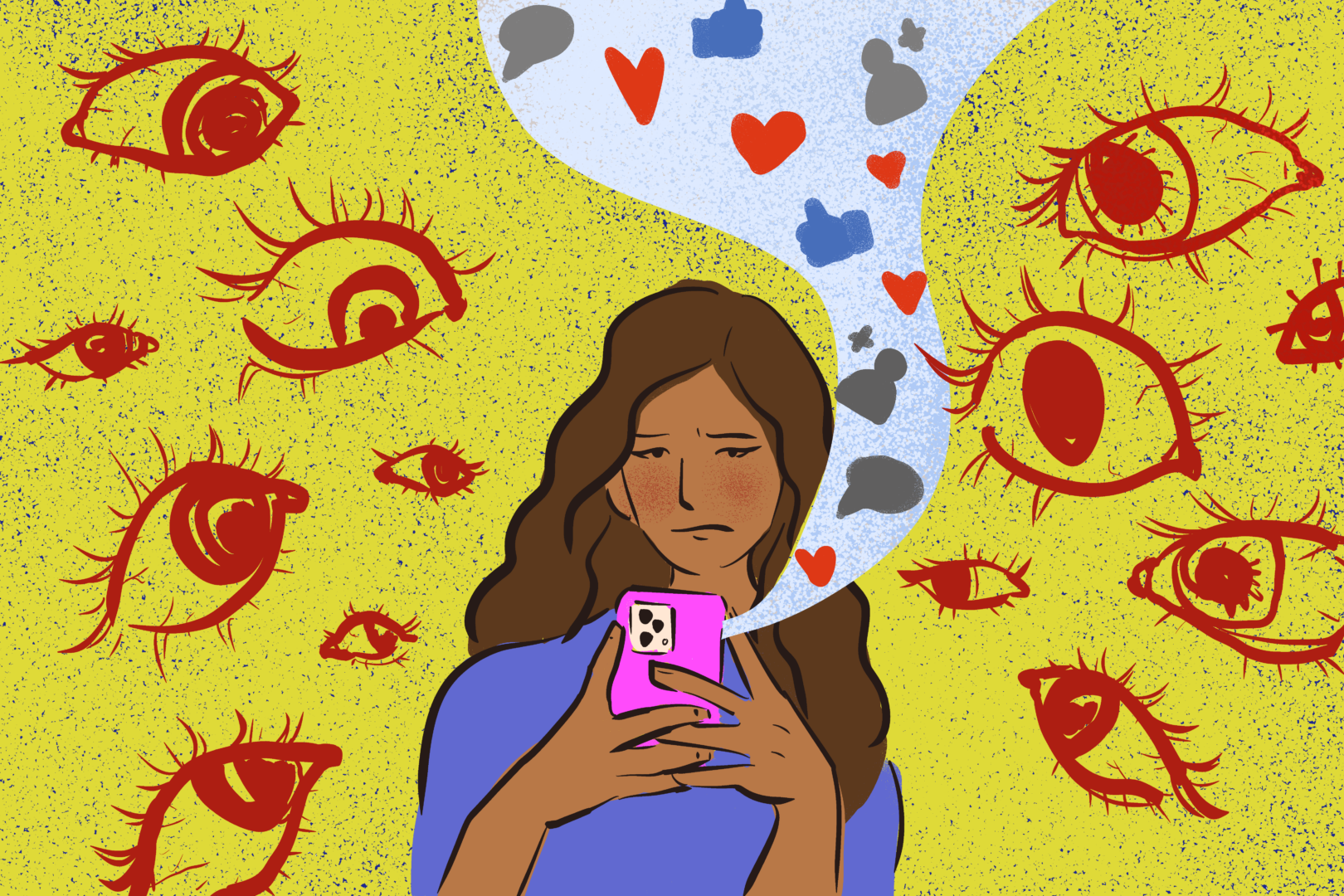
From camera flashes to extreme opinions, unhealthy parasocial relationships have become increasingly normalized, making it easier for admiration to turn into obsession.

Before social media

In the 1990s and early 2000s, celebrity obsession was largely fueled by paparazzi culture. Though the origins of paparazzi are unknown, press photographers began targeting celebrities in Rome around the 1950s. 

Magazines, websites, blogs and newspapers were the only way to see what your favorite actor, athlete or musician was up to. That information was limited and sometimes delayed, leaving fans with only carefully selected glimpses into celebrities’ lives.

As public interest in celebrities grew, those carefully curated glimpses were no longer enough. Publications began competing for more exclusive and intimate access, fueling the rise of paparazzi culture.

Author Thea Hawlin writes, “Over time, it was these secretive and increasingly scandalous images that made the front pages. The thrill of the chase was no longer enough; a scoop was needed to sell publications; to get the right picture was expensive business.”  

Pictures of celebrities quickly became more intrusive, offering insight into their lives rather than simply showing the outfit they were wearing. Big magazines and newspapers began paying paparazzi to capture photos to be the first to know the latest relevant scandal. 

As this became the norm in entertainment media, paparazzi began crossing the line from documenting public appearances to invading celebrities’ private lives. The demand for increasingly exclusive photos created a culture where getting the perfect shot often mattered more than respecting personal boundaries. 

One of the most well-known examples is Princess Diana, who was being pursued by paparazzi when the car carrying her crashed in Paris, killing her and two others. Britney Spears experienced similar invasions of privacy throughout the 2000s, with photographers relentlessly surrounding her, following her while she held her infant son and in one instance, even obstructing an ambulance transporting her to the hospital.

Present day

Now, social media breeds a different type of availability to people’s lives that the human brain was not made to comprehend. 

Unlike the 1990s and early 2000s, parasocial relationships are extreme due to social media rather than paparazzi. Now, everything is online. Anyone can go out and film celebrities directly from their phone.

There are also new types of celebrities: influencers, TikTokers, Instagram models, YouTubers and reality TV stars. These are the new victims of parasocial relationships. 

These individuals speak to their followers as if they’re friends. Updating them on their day-to-day life, getting ready with them, sharing major milestones and their basic interests, all for free. Making a friend out of the people they were only meant to entertain. 

They ask followers for advice, share vulnerable moments and celebrate milestones together. Over time, that repeated interaction makes it easy to forget that the relationship only exists through a screen.

Different from actors or musicians, influencers often build audiences by sharing ordinary parts of their daily lives, making them feel more relatable than traditional celebrities.

Loneliness helps breed parasocial friendships

Humans naturally crave relationships with others who are similar to them. So, when that feeling of finding someone like you is replaced by someone sharing their life through a screen, it explains why one might become attached to them and build a one-sided emotional relationship. 

The same basic concepts from real-life relationships are built: trust, loyalty and love. A huge example of this has been casually shown on many people’s screens for most of the summer: Love Island. 

While many might see it as just a silly reality show about finding love, others took it personally. The show revolves around daily hour-long episodes, five days a week for six weeks straight. 

Contestants are filmed 24/7, often stating they forgot there were cameras rolling as they left. Viewers begin to see themselves through these participants and feel as though they know them after they’ve become part of their daily schedule. 

The show’s social media accounts had to post multiple times to ask fans to watch without bullying the contestants or sending hate. Despite those warnings, some fans became so emotionally invested that they attacked islanders online over mistakes many people make in everyday life.

Arguments are circulating across TikTok, Instagram and Twitter about the show’s contestants. Some have taken it as far as posting racist posts about the participants and allegedly calling CPS on their families. These relationships are unique as they are one-sided and toxic.

Celebrity obsession isn’t new. What has changed is how accessible celebrities have become. Social media has turned admiration into constant interaction, making it easier than ever for people to mistake familiarity for friendship. 

As that line continues to blur, parasocial relationships will likely become even more common, and potentially more harmful, for both creators and the audiences who follow them.

opinion@thedailycougar.com

—
“The new paparazzi are us” was originally posted on The Cougar

Posted in UncategorizedComments Off on The new paparazzi are us

Rediscovering Independence Day

Lily Huynh/The Cougar

For many Americans, Fourth of July feels different from the way it once did. Political division, economic uncertainty and constant headlines can make it difficult to celebrate the holiday with the same enthusiasm. 

At the same time, many immigrants continue to view the United States through a different lens. While they may also recognize the country’s flaws, they often talk about the opportunities that brought them here and the lives they’ve been able to build.

Fourth of July can be an opportunity to celebrate and honor the values on which the US was built, rather than who’s in office.

An immigrant’s journey

I was chatting with a coworker about our Fourth of July plans. The conversation shifted to politics. We talked about the economy, the current administration and overall, the state the world has come to. 

Listening to him made me realize that the average American would naturally feel frustrated with the country’s direction. This member gave me a different perspective. 

He began to explain that despite all these things, he still has so much love, respect and admiration for this country. 

He was an immigrant from India and studied engineering in the U.S. Here, he built a career, got married and raised a family. His son now has the opportunity to continue building that future.

He told me those opportunities were possible because of his decision to immigrate to the U.S.

What patriotism means

Independence Day doesn’t have to be celebrated based on how happy we are with our economy or government. 

Patriotism doesn’t mean ignoring our problems. It means believing they can be solved. It means caring enough about our communities to volunteer, vote, support local businesses, respect one another and have conversations with people whose experiences differ from our own. 

Loving a country isn’t about pretending it’s flawless; it’s about believing it’s worth improving. The member I spoke with reminded me of why so many people dream of immigrating here. 

For many immigrants, the United States represents more than political headlines. It represents the opportunity to build a career, raise a family and pursue goals that may have been more difficult elsewhere.

Be the change you want to see

While this country gained freedom 250 years ago, most immigrants begin their journey to freedom upon entering the U.S. 

Like every country, the United States has challenges and shortcomings. But it also continues to offer opportunities that many people around the world hope to find. 

So this Independence Day, let’s celebrate the chance to be great. 

Great in the sense of rally. Great in the sense of rights. Great in the sense of regaining our opportunities and rebuilding the foundations for our future. 

Opinion@thedailycougar.com

—
“Rediscovering Independence Day” was originally posted on The Cougar

Posted in UncategorizedComments Off on Rediscovering Independence Day

Romanticizing a Houston summer

Lily Huynh/The Cougar

Houston has officially kicked off the summer with love bugs, humidity and soccer. Whether you’re staying in the city between vacations or spending the entire summer here, there is still so much to do beyond summer classes, work or endlessly scrolling at home.

The problem is that many Houstonians rarely experience everything the city has to offer. We get so comfortable with our routines that we forget to step outside of them, sticking to the same neighborhoods, restaurants and weekend plans.

That’s ironic because Houston is known for so much. It’s one of the largest cities in the United States, home to NASA and the famous phrase, “Houston, we have a problem,” while also boasting one of the country’s most diverse populations and food scenes. Yet, ask the average Houstonian about their city, and they’ll probably tell you it’s boring or that “there’s nothing to do.”

Houston really does have a problem, but it isn’t a lack of things to do. It’s that too many locals aren’t taking advantage of their own city.

Part of the reason is that Houston is so spread out. Many people spend most of their time in the area where they grew up. Someone from Alief may rarely venture to The Heights, while someone from Katy might never have a reason to visit the East End.

Who can blame them, Houston is far from Houston and with rising gas prices and nightmarish traffic, it makes sense why people stay in their side of town. But with foreigners here for the world cup this summer, it’s time for the locals to explore the city like tourists.

Beyond space city

Houston isn’t typically considered a major tourist destination compared to Miami, LA, New York City etc. But, the city does consist of many cool attractions. For starters, we are home to NASA Johnson Space Center, one of the most significant space centers in the world. 

But that’s only the beginning; the city also has something for everyone including multiple types of parks and museums, a zoo, an aquarium and a beach only an hour away, just to name a few. 

But most importantly, Houston is known for having the best food. 

Houston is home to countless cultures, making the food scene endless. From Tex-Mex, BBQ, Indian food, hot pot, the possibilities are endless. You might even be overwhelmed by too many appetizing options, that’s how good the food is here. 

Houston may not be everyone’s dream vacation destination, and that’s okay. The beauty of the city can be found in the countless experiences waiting just outside your usual routine.

Whether it’s cheering alongside strangers at a World Cup watch party, trying a restaurant you’ve never heard of or simply spending an afternoon exploring a neighborhood you normally drive past, there’s always something new to discover.

This summer, stop waiting for your next trip to feel like an adventure. Sometimes the best way to fall in love with a place is to experience it like you’ve never been there before.

Opinion@thedailycougar.com

—
“Romanticizing a Houston summer” was originally posted on The Cougar

Posted in UncategorizedComments Off on Romanticizing a Houston summer

Why are we having a midlife crisis in our 20s?

Nina To/ The Cougar

Gen Z holds themselves to higher standards with pressure to always achieve more. This isn’t your ordinary “I don’t know what I’m doing in my life” mentality that people have always had in their 20s. Self-pressure, along with unrealistic expectations from social media, is leading people to have midlife crises far too early.

The beginning

The typical midlife crisis has always been between the ages of 40 and 60. However, now people are experiencing the effects two decades earlier. There are constant feelings of self-doubt, wasted potential and depressive episodes. These symptoms are in character for people who have lived a good chunk of their lives, but people in their 20s are experiencing these calamities too early. 

It feels as though no matter what setting people are in, whether that be school, work or just hanging out with friends, everyone wants the next best thing. 

That’s not to say growth is bad, or that everyone should feel perfectly content where they are at all times. But there needs to be a balance between wanting to do better and appreciating where your feet are.

Free time

We’ve collectively lost the plot because this generation has begun associating how busy they are with how successful they are. 

The less free time you have does not equal the more accomplishments you have. It is easy to get addicted to the high of achievement, but when there isn’t anything more to “achieve,” it feels like failing. 

Social media plays a huge role in this mindset. People believe that if they can accomplish many things in one day and before a certain age, everyone else should, too.

Not only is this mindset close-minded, but also a privilege to have. Some people’s 24 hours consist of multiple jobs, taking care of family members and other duties the average person doesn’t have to worry about. 

Many people who post their achievements on social media have connections that help their successes. That’s not to say their achievements are any less significant, but it’s worth noting for anyone who views the content and compares themselves to it. 

Overexposed

One reason the midlife crisis is happening so early is that social media exposes us to more content than our brains can process. Rather than only knowing what your close friends and family are doing, you can open Instagram and see multiple people you’ve barely talked to posting their lives. 

This makes the comparison window much bigger. Instead of the natural desire to do more, this constant exposure breeds envy and bitterness. 

With graduation season around the corner, this is causing the comparison mindset and debilitating stress to seem endless. People are stressed about their next move; some have already graduated and are struggling to find work in their field or fighting to get into grad school. 

Our environment is not a reflection of the hard work that earned our degree; you can find peace and still succeed. It is normal to take a gap year or some time off. In fact, you are more likely to graduate with a higher GPA if you take a gap year. 

What’s not normal is feeling like you have already failed at life when you’ve yet to really start. 

It is so easy to get caught up in social media comparisons and let setbacks stop you from growing. It’s neither healthy nor beneficial to you in actually growing. There needs to be a balance between wanting to do better and not hurting yourself mentally in the process. Your 20s are meant to be lived, not felt as though you have already failed.

opinion@thedailycougar.com 

—
“Why are we having a midlife crisis in our 20s?” was originally posted on The Cougar

Posted in UncategorizedComments Off on Why are we having a midlife crisis in our 20s?