

Author Archives | Nashly Ramirez

The weird grief of outgrowing people

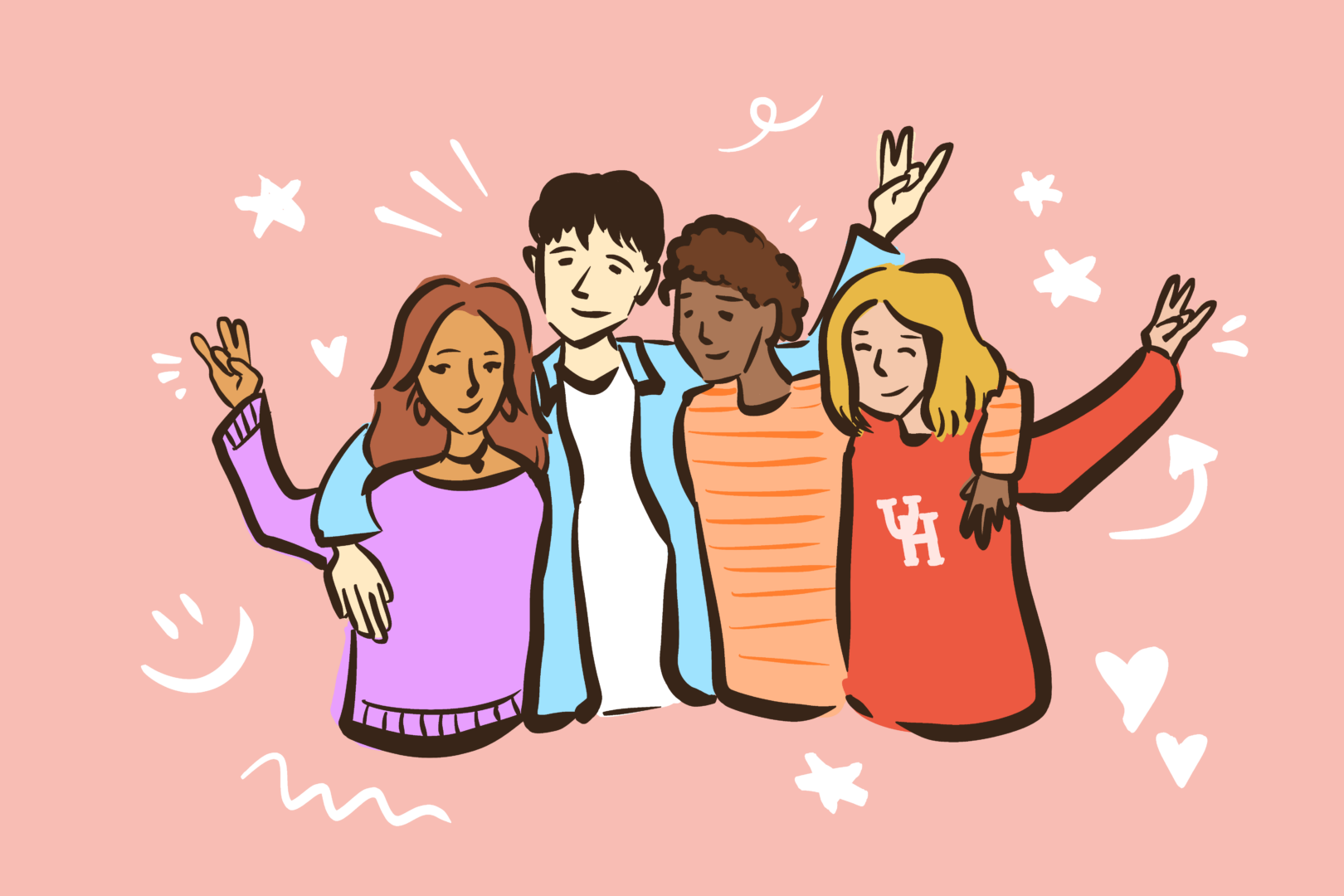
Lily Huynh/The Cougar

It’s easy to believe that everything you have in this very moment is permanent: your style, lingo, interests and even your friends. That’s why when you graduate high school, move away from home or start college, change can feel so shocking.

Even if you say you’ll keep in touch, the people you spent every day with suddenly become people you only see through social media posts and occasional texts.

You spend so many years growing up with some of them that you start to believe the friendship is permanent. After all, if you survived elementary school, puberty and high school together, how much damage could a few miles really do?

Well, that’s one of the first lessons college gives you. Not everyone is meant to stay forever and that’s okay. Some people are only meant to be a phase in your life, whether they teach you a lesson, get you through a hard time or are simply around for a while. 

Outgrowing people is part of growth

The truth is, this has probably happened before. Childhood friends move away, classmates switch schools and people slowly drift apart. The difference is that growing up, there were still so many constants in your life that those changes did not feel as noticeable. 

You still went to the same school, lived in the same house and saw the same people every day. When one friendship faded, everything else stayed the same. But college is different. Everything changes at once, making it much harder to ignore when you’re beginning to outgrow someone.

What makes it difficult is that there is rarely closure in these situations. Neither of you were being bad friends; no one was purposefully avoiding the other, there was no bad blood, you just drifted away from one another. Suddenly, someone who used to know every detail of your life simply becomes a person attached to old memories.

There is also a grief that comes with that. Grief is usually associated with death, but there is a unique kind of grief that comes from losing people who are still alive. You know they’re still out there, you see their Instagram posts and occasionally check their location to see what they’re up to, but it doesn’t feel the same anymore. The inside jokes stop making sense, conversations become less frequent and eventually, the relationship exists more in memory than in reality.

But outgrowing people is often a sign that you’re growing too. 

By starting college, you’re entering a new world, one that is bigger than anything you’ve experienced before. College introduces you to new experiences, challenges and perspectives that slowly shape you into someone different than the person who walked across the stage at high school graduation. 

The same thing is happening to the people around you. The friend who once knew everything about your life is figuring out who they are, just as you’re figuring out who you are. In a way, there is something comforting about knowing that even with the distance, you still have things in common.

You’re both growing up. I did not fully understand it until I experienced it myself.

Growing in different directions

When I started college, I stayed in Houston and so did many of my high school friends. It made it easy to believe we would never miss a beat. We still lived in the same city, still followed each other on social media and could easily meet up whenever we wanted.

But over the next few months, the hangouts became less frequent. I found myself reaching out to my college friends more often instead. Our once lively group chat only seemed to come alive for someone’s birthday or a holiday. Before I knew it, the people I used to see every day had become people I only occasionally checked in on.

The strange part was that nothing happened. There wasn’t a fight, betrayal or a dramatic falling out. We were simply building separate lives. As our schedules filled with new classes, jobs, organizations and friendships, we slowly became less involved in each other’s day-to-day lives. It wasn’t anyone’s fault, but it was still difficult to accept.

Some people are there for a specific chapter of your life. Maybe they helped you survive middle school, celebrated your biggest accomplishments or sat with you during some of your worst days. They were never meant to stay forever; they were meant to be there when you needed them most.

It’s easy to look at a faded friendship and focus on what was lost. What’s harder and perhaps what’s more important, is appreciating what was gained.

The memories still exist. The lessons still matter. The person you became was shaped, in part, by the people who walked beside you, even if only for a little while.

And if there is one thing college teaches you, it’s that endings and beginnings often happen at the same time.

Opinion@thedailycougar.com

—
“The weird grief of outgrowing people” was originally posted on The Cougar

Posted in UncategorizedComments Off on The weird grief of outgrowing people

The weird grief of outgrowing people

Lily Huynh/The Cougar

It’s easy to believe that everything you have in this very moment is permanent: your style, lingo, interests and even your friends. That’s why when you graduate high school, move away from home or start college, change can feel so shocking.

Even if you say you’ll keep in touch, the people you spent every day with suddenly become people you only see through social media posts and occasional texts.

You spend so many years growing up with some of them that you start to believe the friendship is permanent. After all, if you survived elementary school, puberty and high school together, how much damage could a few miles really do?

Well, that’s one of the first lessons college gives you. Not everyone is meant to stay forever and that’s okay. Some people are only meant to be a phase in your life, whether they teach you a lesson, get you through a hard time or are simply around for a while. 

Outgrowing people is part of growth

The truth is, this has probably happened before. Childhood friends move away, classmates switch schools and people slowly drift apart. The difference is that growing up, there were still so many constants in your life that those changes did not feel as noticeable. 

You still went to the same school, lived in the same house and saw the same people every day. When one friendship faded, everything else stayed the same. But college is different. Everything changes at once, making it much harder to ignore when you’re beginning to outgrow someone.

What makes it difficult is that there is rarely closure in these situations. Neither of you were being bad friends; no one was purposefully avoiding the other, there was no bad blood, you just drifted away from one another. Suddenly, someone who used to know every detail of your life simply becomes a person attached to old memories.

There is also a grief that comes with that. Grief is usually associated with death, but there is a unique kind of grief that comes from losing people who are still alive. You know they’re still out there, you see their Instagram posts and occasionally check their location to see what they’re up to, but it doesn’t feel the same anymore. The inside jokes stop making sense, conversations become less frequent and eventually, the relationship exists more in memory than in reality.

But outgrowing people is often a sign that you’re growing too. 

By starting college, you’re entering a new world, one that is bigger than anything you’ve experienced before. College introduces you to new experiences, challenges and perspectives that slowly shape you into someone different than the person who walked across the stage at high school graduation. 

The same thing is happening to the people around you. The friend who once knew everything about your life is figuring out who they are, just as you’re figuring out who you are. In a way, there is something comforting about knowing that even with the distance, you still have things in common.

You’re both growing up. I did not fully understand it until I experienced it myself.

Growing in different directions

When I started college, I stayed in Houston and so did many of my high school friends. It made it easy to believe we would never miss a beat. We still lived in the same city, still followed each other on social media and could easily meet up whenever we wanted.

But over the next few months, the hangouts became less frequent. I found myself reaching out to my college friends more often instead. Our once lively group chat only seemed to come alive for someone’s birthday or a holiday. Before I knew it, the people I used to see every day had become people I only occasionally checked in on.

The strange part was that nothing happened. There wasn’t a fight, betrayal or a dramatic falling out. We were simply building separate lives. As our schedules filled with new classes, jobs, organizations and friendships, we slowly became less involved in each other’s day-to-day lives. It wasn’t anyone’s fault, but it was still difficult to accept.

Some people are there for a specific chapter of your life. Maybe they helped you survive middle school, celebrated your biggest accomplishments or sat with you during some of your worst days. They were never meant to stay forever; they were meant to be there when you needed them most.

It’s easy to look at a faded friendship and focus on what was lost. What’s harder and perhaps what’s more important, is appreciating what was gained.

The memories still exist. The lessons still matter. The person you became was shaped, in part, by the people who walked beside you, even if only for a little while.

And if there is one thing college teaches you, it’s that endings and beginnings often happen at the same time.

Opinion@thedailycougar.com

—
“The weird grief of outgrowing people” was originally posted on The Cougar

Posted in UncategorizedComments Off on The weird grief of outgrowing people

The weird grief of outgrowing people

Lily Huynh/The Cougar

It’s easy to believe that everything you have in this very moment is permanent: your style, lingo, interests and even your friends. That’s why when you graduate high school, move away from home or start college, change can feel so shocking.

Even if you say you’ll keep in touch, the people you spent every day with suddenly become people you only see through social media posts and occasional texts.

You spend so many years growing up with some of them that you start to believe the friendship is permanent. After all, if you survived elementary school, puberty and high school together, how much damage could a few miles really do?

Well, that’s one of the first lessons college gives you. Not everyone is meant to stay forever and that’s okay. Some people are only meant to be a phase in your life, whether they teach you a lesson, get you through a hard time or are simply around for a while. 

Outgrowing people is part of growth

The truth is, this has probably happened before. Childhood friends move away, classmates switch schools and people slowly drift apart. The difference is that growing up, there were still so many constants in your life that those changes did not feel as noticeable. 

You still went to the same school, lived in the same house and saw the same people every day. When one friendship faded, everything else stayed the same. But college is different. Everything changes at once, making it much harder to ignore when you’re beginning to outgrow someone.

What makes it difficult is that there is rarely closure in these situations. Neither of you were being bad friends; no one was purposefully avoiding the other, there was no bad blood, you just drifted away from one another. Suddenly, someone who used to know every detail of your life simply becomes a person attached to old memories.

There is also a grief that comes with that. Grief is usually associated with death, but there is a unique kind of grief that comes from losing people who are still alive. You know they’re still out there, you see their Instagram posts and occasionally check their location to see what they’re up to, but it doesn’t feel the same anymore. The inside jokes stop making sense, conversations become less frequent and eventually, the relationship exists more in memory than in reality.

But outgrowing people is often a sign that you’re growing too. 

By starting college, you’re entering a new world, one that is bigger than anything you’ve experienced before. College introduces you to new experiences, challenges and perspectives that slowly shape you into someone different than the person who walked across the stage at high school graduation. 

The same thing is happening to the people around you. The friend who once knew everything about your life is figuring out who they are, just as you’re figuring out who you are. In a way, there is something comforting about knowing that even with the distance, you still have things in common.

You’re both growing up. I did not fully understand it until I experienced it myself.

Growing in different directions

When I started college, I stayed in Houston and so did many of my high school friends. It made it easy to believe we would never miss a beat. We still lived in the same city, still followed each other on social media and could easily meet up whenever we wanted.

But over the next few months, the hangouts became less frequent. I found myself reaching out to my college friends more often instead. Our once lively group chat only seemed to come alive for someone’s birthday or a holiday. Before I knew it, the people I used to see every day had become people I only occasionally checked in on.

The strange part was that nothing happened. There wasn’t a fight, betrayal or a dramatic falling out. We were simply building separate lives. As our schedules filled with new classes, jobs, organizations and friendships, we slowly became less involved in each other’s day-to-day lives. It wasn’t anyone’s fault, but it was still difficult to accept.

Some people are there for a specific chapter of your life. Maybe they helped you survive middle school, celebrated your biggest accomplishments or sat with you during some of your worst days. They were never meant to stay forever; they were meant to be there when you needed them most.

It’s easy to look at a faded friendship and focus on what was lost. What’s harder and perhaps what’s more important, is appreciating what was gained.

The memories still exist. The lessons still matter. The person you became was shaped, in part, by the people who walked beside you, even if only for a little while.

And if there is one thing college teaches you, it’s that endings and beginnings often happen at the same time.

Opinion@thedailycougar.com

—
“The weird grief of outgrowing people” was originally posted on The Cougar
Posted in UncategorizedComments Off on The weird grief of outgrowing people

America can’t afford to cut on food safety

Lily Huynh/The Cougar

As the cyclosporiasis outbreak continues to affect Americans across the country, it has left behind more than just illness. It has also left a bitter taste and growing distrust of the very systems meant to keep our food safe.

That reaction is only natural when ingredients found in everyday meals suddenly become unsafe to eat and companies begin recalling products people had in their refrigerators just days before. 

But it also raises a larger question: Would this outbreak have been identified and contained more quickly if food safety agencies like the Food and Drug Administration hadn’t faced budget cuts and staffing reductions leading up to it?

A growing food safety crisis

Over the past few weeks, the Center for Disease Control and Prevention has reported that 6,707 people have been diagnosed with laboratory-confirmed cases of cyclosporiasis, with an estimated 11,500 additional non-laboratory-confirmed cases reported across more than 41 states.

For many individuals, outbreaks like these aren’t just about changing diets or menu items; they change the way we think about the food we buy every week. It’s hard to trust the grocery store when products that seem routine suddenly become public health risks.

Typically, when these events occur, we have systems in place, such as those run by agencies like the FDA. They monitor our food and ensure we consume safe food products, especially produce. 

So, it’s easy to look at them and blame the FDA for letting the outbreak of cyclosporiasis get so out of hand. But there is something else that has a significant effect on how this was handled. 

The effects of budget cuts

Cyclosporiasis has existed long before this outbreak. Cases tend to increase during warmer months and are commonly associated with contaminated fresh produce. What makes this outbreak different is the timing. It comes after the FDA faced significant budget cuts and staffing reductions in 2025, prompting concerns that the nation’s food safety system is no longer as prepared to respond to outbreaks.

The FDA had to lay off approximately 3,500 employees after a $271 million budget cut for the fiscal year 2026. These budget cuts cause fewer states to test their food for harmful pathogens and chemical contaminants, increasing the likelihood that more people will get sick. It is also slowing down the nation’s ability to combat large-scale outbreaks like cyclosporiasis. 

Food safety relies on scientists tracing outbreaks back to their source, laboratory testing, inspections of farms and processing facilities and communication between state and federal agencies. Every delay in that process gives contaminated products more time to remain on store shelves and dinner tables.

Most people typically don’t think twice when buying things at the grocery store. We don’t put things in our cart thinking we have to worry about catching a strange disease from the salad mix we’ve been buying for months now. We assume someone is testing our produce, tracing outbreaks and preventing contaminated food from reaching our plates long before we ever step into a grocery store.

Ultimately, this goes beyond budget cuts and staffing reductions. It becomes an issue of trust. People shouldn’t have to second-guess the food they buy every week, wondering whether the next outbreak is already sitting in their shopping cart. And once that trust is lost, it becomes extremely hard to regain. 

Food safety is one of those things most people never think about until something goes wrong. That’s exactly how it should be. Americans shouldn’t have to question whether the produce in their grocery carts is safe to eat. It’s about keeping people safe and preserving the trust they place in the systems designed to protect them.

opinion@thedailycougar.com

—
“America can’t afford to cut on food safety” was originally posted on The Cougar

Posted in UncategorizedComments Off on America can’t afford to cut on food safety

America can’t afford to cut on food safety

Lily Huynh/The Cougar

As the cyclosporiasis outbreak continues to affect Americans across the country, it has left behind more than just illness. It has also left a bitter taste and growing distrust of the very systems meant to keep our food safe.

That reaction is only natural when ingredients found in everyday meals suddenly become unsafe to eat and companies begin recalling products people had in their refrigerators just days before. 

But it also raises a larger question: Would this outbreak have been identified and contained more quickly if food safety agencies like the Food and Drug Administration hadn’t faced budget cuts and staffing reductions leading up to it?

A growing food safety crisis

Over the past few weeks, the Center for Disease Control and Prevention has reported that 6,707 people have been diagnosed with laboratory-confirmed cases of cyclosporiasis, with an estimated 11,500 additional non-laboratory-confirmed cases reported across more than 41 states.

For many individuals, outbreaks like these aren’t just about changing diets or menu items; they change the way we think about the food we buy every week. It’s hard to trust the grocery store when products that seem routine suddenly become public health risks.

Typically, when these events occur, we have systems in place, such as those run by agencies like the FDA. They monitor our food and ensure we consume safe food products, especially produce. 

So, it’s easy to look at them and blame the FDA for letting the outbreak of cyclosporiasis get so out of hand. But there is something else that has a significant effect on how this was handled. 

The effects of budget cuts

Cyclosporiasis has existed long before this outbreak. Cases tend to increase during warmer months and are commonly associated with contaminated fresh produce. What makes this outbreak different is the timing. It comes after the FDA faced significant budget cuts and staffing reductions in 2025, prompting concerns that the nation’s food safety system is no longer as prepared to respond to outbreaks.

The FDA had to lay off approximately 3,500 employees after a $271 million budget cut for the fiscal year 2026. These budget cuts cause fewer states to test their food for harmful pathogens and chemical contaminants, increasing the likelihood that more people will get sick. It is also slowing down the nation’s ability to combat large-scale outbreaks like cyclosporiasis. 

Food safety relies on scientists tracing outbreaks back to their source, laboratory testing, inspections of farms and processing facilities and communication between state and federal agencies. Every delay in that process gives contaminated products more time to remain on store shelves and dinner tables.

Most people typically don’t think twice when buying things at the grocery store. We don’t put things in our cart thinking we have to worry about catching a strange disease from the salad mix we’ve been buying for months now. We assume someone is testing our produce, tracing outbreaks and preventing contaminated food from reaching our plates long before we ever step into a grocery store.

Ultimately, this goes beyond budget cuts and staffing reductions. It becomes an issue of trust. People shouldn’t have to second-guess the food they buy every week, wondering whether the next outbreak is already sitting in their shopping cart. And once that trust is lost, it becomes extremely hard to regain. 

Food safety is one of those things most people never think about until something goes wrong. That’s exactly how it should be. Americans shouldn’t have to question whether the produce in their grocery carts is safe to eat. It’s about keeping people safe and preserving the trust they place in the systems designed to protect them.

opinion@thedailycougar.com

—
“America can’t afford to cut on food safety” was originally posted on The Cougar

Posted in UncategorizedComments Off on America can’t afford to cut on food safety

America can’t afford to cut on food safety

Lily Huynh/The Cougar

As the cyclosporiasis outbreak continues to affect Americans across the country, it has left behind more than just illness. It has also left a bitter taste and growing distrust of the very systems meant to keep our food safe.

That reaction is only natural when ingredients found in everyday meals suddenly become unsafe to eat and companies begin recalling products people had in their refrigerators just days before. 

But it also raises a larger question: Would this outbreak have been identified and contained more quickly if food safety agencies like the Food and Drug Administration hadn’t faced budget cuts and staffing reductions leading up to it?

A growing food safety crisis

Over the past few weeks, the Center for Disease Control and Prevention has reported that 6,707 people have been diagnosed with laboratory-confirmed cases of cyclosporiasis, with an estimated 11,500 additional non-laboratory-confirmed cases reported across more than 41 states.

For many individuals, outbreaks like these aren’t just about changing diets or menu items; they change the way we think about the food we buy every week. It’s hard to trust the grocery store when products that seem routine suddenly become public health risks.

Typically, when these events occur, we have systems in place, such as those run by agencies like the FDA. They monitor our food and ensure we consume safe food products, especially produce. 

So, it’s easy to look at them and blame the FDA for letting the outbreak of cyclosporiasis get so out of hand. But there is something else that has a significant effect on how this was handled. 

The effects of budget cuts

Cyclosporiasis has existed long before this outbreak. Cases tend to increase during warmer months and are commonly associated with contaminated fresh produce. What makes this outbreak different is the timing. It comes after the FDA faced significant budget cuts and staffing reductions in 2025, prompting concerns that the nation’s food safety system is no longer as prepared to respond to outbreaks.

The FDA had to lay off approximately 3,500 employees after a $271 million budget cut for the fiscal year 2026. These budget cuts cause fewer states to test their food for harmful pathogens and chemical contaminants, increasing the likelihood that more people will get sick. It is also slowing down the nation’s ability to combat large-scale outbreaks like cyclosporiasis. 

Food safety relies on scientists tracing outbreaks back to their source, laboratory testing, inspections of farms and processing facilities and communication between state and federal agencies. Every delay in that process gives contaminated products more time to remain on store shelves and dinner tables.

Most people typically don’t think twice when buying things at the grocery store. We don’t put things in our cart thinking we have to worry about catching a strange disease from the salad mix we’ve been buying for months now. We assume someone is testing our produce, tracing outbreaks and preventing contaminated food from reaching our plates long before we ever step into a grocery store.

Ultimately, this goes beyond budget cuts and staffing reductions. It becomes an issue of trust. People shouldn’t have to second-guess the food they buy every week, wondering whether the next outbreak is already sitting in their shopping cart. And once that trust is lost, it becomes extremely hard to regain. 

Food safety is one of those things most people never think about until something goes wrong. That’s exactly how it should be. Americans shouldn’t have to question whether the produce in their grocery carts is safe to eat. It’s about keeping people safe and preserving the trust they place in the systems designed to protect them.

opinion@thedailycougar.com

—
“America can’t afford to cut on food safety” was originally posted on The Cougar

Posted in UncategorizedComments Off on America can’t afford to cut on food safety

College isn’t lonely forever


Lily Huynh/ The Cougar

The scary part about college is the idea that the first few weeks are the catalyst for the rest of the time we’re here. We think that the friends we do (or don’t) make are final, and if you aren’t lucky, get used to eating lunch alone and going straight home from class. 

College is lonely in many ways; it’s the first time you’re away from your family, your high school friends are doing their own thing and you start to realize that you’re on your own now. It’s an awkward and scary transition that, in the moment, feels permanent. 

This is a common feeling for freshmen, even if nobody wants to admit it out loud. Everyone walks around acting confident, like they already found their people and know exactly where they belong, when in reality, most students are just as lost and overwhelmed as everyone else.

The illusion of belonging

The truth is that college friendships rarely happen overnight. The people who eventually become your closest friends often start as random classmates, roommates or people you awkwardly sit next to at an event you almost skipped. Some of the best relationships come from the moments that feel uncomfortable at first.

It’s easy to believe that everyone else has college figured out before you do, but most people are learning as they go. Eventually, the campus that once felt intimidating starts to feel familiar, and the loneliness that felt permanent slowly fades into routine, friendship and memories you didn’t expect to make.

Social media only makes the pressure worse. You’ll scroll through Instagram and see everyone posting huge groups of friends during the first few weeks of school, going out and seeming like they’re having the time of their lives.

It creates the illusion that everyone around you instantly found where they belong. What those posts don’t show are the awkward silences, homesick nights and moments when people question whether they actually fit in at all.

Getting comfortable being uncomfortable

There’s an unspoken expectation in college that your social life should fall into place immediately. If you aren’t constantly going out, meeting people or building a friend group right away, it can feel like you’re somehow failing at the “college experience.” In reality, meaningful friendships usually take time to build.

Some people find their closest friends in their freshman year. Others don’t meet them until junior year, through a random class, a job or a conversation that almost never happened. College has a way of making people feel behind when, in reality, there is no timeline for belonging.

So, how do you get to that point? Where the campus isn’t as scary, and the people seem more approachable. 

Honestly, and I know it sounds cliché, but you have to put yourself out there, get out of your dorm and don’t try to go straight to your car after class. Remember, everyone else is also looking for friends, so they’re not likely to swat you away if you ask to sit with them in the student center. 

I remember a conversation I had with my mom after the first few months of college. I was crying, and I kept telling her about how lonely I felt. Everyone had friends and seemed to be enjoying their college experience, but for some reason, I didn’t seem to fit in.

Then my mom asked me, “Well, are you actually going to things, or trying to make friends? You know they won’t just come to you; you have to put in the work for it.” 

The hardest part is shaking off that awkward feeling; it’s uncomfortable, but it’s also part of growing up. 

There is no perfect timeline for friendship, belonging or having the “ideal” college experience. Most people are just figuring it out as they go, and chances are, the person sitting alone next to you is hoping someone starts a conversation, too.

Opinion@thedailycougar.com

—
“College isn’t lonely forever” was originally posted on The Cougar

Posted in UncategorizedComments Off on College isn’t lonely forever

Building the path: What it means to be first-generation

Lily Huynh/The Cougar

College is one of the most confusing times in a person’s life. You’re learning new things, adjusting to a new environment and entering a completely different stage of life all at once. 

On top of that, college is confusing in a literal sense. Between FAFSA, orientation, choosing the right classes, navigating campus culture and figuring out which dorm doesn’t have a roach problem, it can feel overwhelming.

Most students have someone who has already been through it all to help guide them, whether that’s an older sibling, a parent or another family member.

But when you’re a first-generation college student with parents who don’t understand how the college process works and no siblings to lean on, you quickly realize that your college experience depends almost entirely on you.

That realization can be intimidating. Every decision feels like a guess and every mistake feels bigger because you’re figuring it out as you go. But there’s also something rewarding about overcoming those challenges on your own. Once you get through the confusion, there is a sense of pride in knowing you found your way without a roadmap.

Figuring it out

Those first few months after decision day can feel overwhelming. Once you commit to a university, you’re suddenly handed a checklist of requirements that feels never-ending and you haven’t even set foot in a classroom yet.

I remember going through that checklist with my mom, who at the time seemed to know everything. That quickly changed when I told her she needed to co-sign my FAFSA application before I could submit it. When she looked at me and asked, “What’s FAFSA?” I realized I was the one who would have to figure this out.

At that moment, it hit me that neither of us really knew what we were doing. While many students have parents who can walk them through the college process because they’ve been through it before, either through their own experience or an older sibling’s, my mom was learning alongside me. For the first time, I realized that if I wanted answers, I would have to find them myself.

The first-generation advantage

As first-generation students, we’re used to figuring things out on our own. I’ve always considered myself my parents’ right-hand woman. Ever since I was a kid, I helped them navigate parts of the new world they came to that often felt unfamiliar.

Looking back, I know my mom wishes she hadn’t had to rely on me as much as she did. But in a way, those experiences helped prepare me for the world I’m living in now. They taught me independence long before I ever set foot on a college campus. 

I often joke with my friends that I’m cooler than they are because I know how to file taxes, apply for a mortgage and understand credit scores, all because I learned about those things much earlier than most people my age.

The same skills that helped my parents years ago are the ones helping me navigate college today. I know to call the financial aid office when something doesn’t look right with my scholarship package.

I’m comfortable asking questions when I don’t understand something and I’ve developed the patience needed to deal with confusing systems and unhelpful customer service representatives.

While being a first-generation student comes with challenges, it also gives you a level of resourcefulness that can’t really be taught. You’ve spent years learning how to find answers, adapt to unfamiliar situations and advocate for yourself. By the time you get to college, those skills become some of your greatest strengths.

Creating the path

Our parents teach us so many things: how to walk, how to be kind and how to navigate the world around us. If you’re a first-generation student, they also unknowingly teach you how to be an adult and how to navigate the real world by watching them and helping them get through systems that are often unfamiliar.

It’s a unique experience that is often misunderstood because we aren’t simply the first people in our families to attend college. We’re the example for those who come after us. We’re the mapmakers for our younger siblings, cousins or future children, helping create a path that didn’t exist before.

One day, when they reach this point in life, they’ll have someone to lean on and someone who can guide them through the confusing parts of college because, trust me, there are many. And that’s something worth being proud of.

Being first-generation isn’t about being the first; it’s about making the journey a little easier for the next person who follows.

Opinion@thedailycougar.com

—
“Building the path: What it means to be first-generation” was originally posted on The Cougar

Posted in UncategorizedComments Off on Building the path: What it means to be first-generation