Author Archives | Mervyn Chandy

Josh Johnson brings comedy to campus

Due to Georgia Tech’s priority and focus on science topics, it is easy to assume that the arts are limited to only arts-based organizations, like the various dance organizations on campus. Although Tech is home to the Ivan Allen College of Liberal Arts, it is still rare to meet people on campus who are members of the college. The Georgia Tech Arts Department wants to change that convention.

On Sept. 25, Tech hosted two comedy shows for Josh Johnson at the Ferst Center. Johnson is the newest correspondent on Comedy Central’s “Daily Show” and has achieved a meteoric rise to popularity by releasing weekly, hour-long specials on YouTube for free. While most comedians perform the same set while on tour, Johnson creates a new set every time he is in a new city and uploads it on YouTube for people to see — a truly remarkable feat, considering the vast amount of material he needs to create constantly. . For the Josh Johnson event, the Tech Arts Department gave two Tech students the opportunity to perform as openers before Josh Johnson took the stage: Sankalp Chandesh, third-year EE, and Lucy Scott, fourth-year CM. 

Two weeks before the show, the department hosted an open-mic audition where anyone could come and perform a five-minute set. From the audition, the top two performers, Chandesh and Scott, were selected to perform their five-minute set for the Johnson special. 

“We are trying to get the message out that our students can not just sit and be a participant, but actually have an opportunity to do something on the stage,” said Daniel Parker, Arts Department Director. 

By allowing Tech students to showcase their artistic and comedic sides, the Arts Department aimed to encourage students to feel more comfortable expressing these aspects not only on stage but also in front of their peers. While students here are interested in science and engineering, the majority of students are also creative, and Tech wants students to be able to show that side more often. 

“We’re trying to make the arts attractive to the students, so when they leave, they go, man, I got to come back,” Parker said. 

The two student comics echoed Parker’s sentiments by describing how small yet close the campus’s comedy scene is. Chandesh and Scott both expressed that they often see the same people come to open-mics.

“I’d say it’s pretty small, and I know just a couple of people that also do stand-up comedy around here,” Chandesh mentioned. 

Despite the community’s size, they both emphasized how cooperative and kind everyone is. Oftentimes, students create comics while bouncing jokes off others and ask them to help them improve their sets. 

“They’d be more than willing to help with anything or just write with you, test out different things,” Chandesh said.

 While there may be students interested in stand-up comedy, it can be challenging to know where to look. According to Scott’s account,  she got lucky in her freshman year because one of her friends sent her an Instagram post about a student stand-up comedy event. 

“And so I think there’s a ton of beginners or people who are interested who are just nervous or don’t think that they belong in those spaces or don’t even know where to look in the first place,” Scott said.

 Chandesh recognized that it was an amazing opportunity to have Johnson on campus, and backstage, Johnson gave Chandesh and Scott a special moment, offering advice on how to improve and craft their storytelling. 

“He was going on about the morality of stand-up and how to find a good ethical compass when writing jokes, and that they should have a sense of integrity and intelligence,” Chandesh said.

Allowing students to showcase their skills and giving them the same chance to perform in front of seasoned stand-up comics, GT Arts provides students with an opportunity to shine in fields outside of the sciences for which they are known. Tech is expanding this opportunity by offering a Bachelor of Science in Arts, Entertainment, and Creative Technologies for Fall 2026. 

“We’re working hard to create and collaborate on our own new works here, and so this is just the beginning of all that,” Parker said on the new major program. 

Scott joked that just because she got to open for Josh Johnson does not mean she is guaranteed to open for the next comic to come to Tech, and she would love it if someone else could challenge themselves in a new space, especially those who may be underrepresented in the comedy field.

“I would love it if we had more comics that looked like me because oftentimes people write off stand-up comedy as a male-dominated field,” Scott said.

 GT Arts hopes to continue hosting unique events for students to engage in areas outside of the STEM curriculum. Information about future events will be posted on their Instagram @georgiatecharts.

The post Josh Johnson brings comedy to campus appeared first on Technique.
Posted in UncategorizedComments Off on Josh Johnson brings comedy to campus

Campus Cats supports Tech’s feline friends

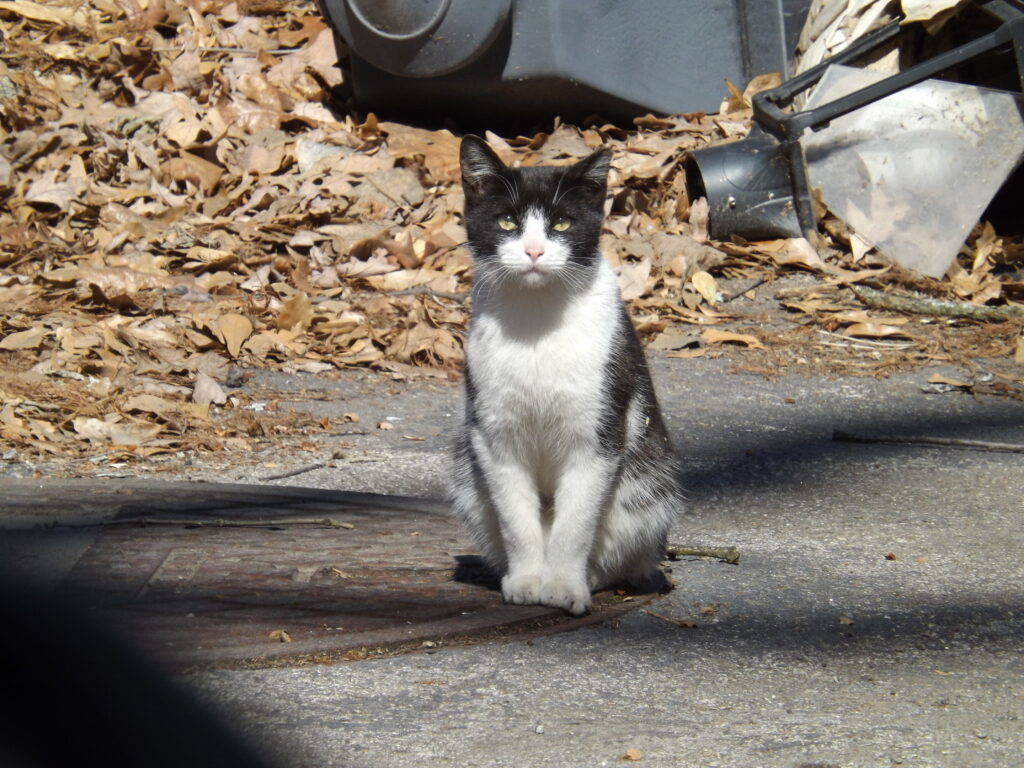
Anyone taking a stroll around campus during the twilight hours or walking through a quiet back passageway might have encountered one of Tech’s friendliest and furriest friends: the stray cats that live in tucked-away corners of Tech’s sprawling infrastructure. These cats have become unofficial mascots of the Institute, filling the student body’s camera rolls with their whiskered faces. 

They can be found at various locations throughout campus, either relaxing under a tree or eating at one of their designated food spots created by the Campus Cats at Georgia Tech. The club requires no introduction, as evidenced by its very popular stand during the Club Organization Fair, as well as the numerous students who display the club’s stickers on their laptops and water bottles. 

To learn more about Campus Cats, the Technique sat down with the club’s president, Caroline Hatcher, fourth-year ARCH.

Campus Cats takes care of over 50 cats that live on campus by providing housing, food and generally neutering them to keep them healthy. The club fosters any kittens found on campus until they can find a suitable owner for adoption. 

Oftentimes, the people who adopt the cats are students, alumni or Institute staff. For the feral cats, club members can help refill the 14 different feeding stations around campus, as well as create DIY shelters for the cats to stay in. When the winter storms hit campus earlier this year, the cats were still able to stay safe in their insulated shelters. 

While the organization is student-led, faculty and outside shelters still help play a role in the club’s success. The club’s faculty advisor has been with the club for over 30 years. The Georgia Tech Police Department (GTPD) also helps by notifying the club about any sightings.

“I get calls from GTPD multiple times about stray cats. Two or three weeks ago, we got a call about a three-week-old kitten they found,” Hatcher said.

A big part of the club’s mission is conducting trap, neuter and release (TNR) on cats they find. By humanely trapping the cat, neutering it and releasing it back into the environment from which it came, the club hopes to prevent the number of stray cats from growing out of control without harming cats that may not be safe to foster.

For TNR, the club collaborates with the Atlanta Humane Society and occasionally works with Lifeline, which operates the animal shelters in Fulton and DeKalb counties. During the TNR, vets also check and treat the cats by providing the necessary vaccines, such as deworming and flea treatment.

“We’re trying to reduce the overpopulation of stray and feral cats because then there would just be massive amounts of cats on campus with a super short life span,” Hatcher explained.

The club works to socialize cats that are under 12 weeks old with humans so they can be adopted. After the 12-week period, human socialization can become significantly more challenging, and it would be unsafe for the cat and the adopter to have a cat in their home after that point. Oftentimes, Hatcher fosters the kittens until the club can find a suitable owner for adoption. 

“I have four fosters right now,” Hatcher laughed.

As evidence of the club’s recent growth, 12 kittens and seven or eight friendly adult cats have been adopted in the last two years, according to Hatecher. 

While Campus Cats is trying to help reduce the number of stray and feral cats on campus, the club still has its fair share of critics. These critics argue that the cat feeders do not prevent other animals, such as raccoons and squirrels, from eating from them. People also note that due to the popularity of the club, members of the student body are not respecting the cats’ privacy by trying to get too close to them. 

If one is lucky enough to see one of the Institute’s cats, there is a high chance, they will also see a student trying to either pick them up or get too close for a photo, which can scare the cats off. At the end of the day, students should always consider how the cats would feel if they saw an animal that was double to triple their size coming after them. 

However, the strongest complaints about the club center on its animal conservation efforts, or lack thereof. While the club does plenty to talk about the cats and to reduce their numbers, this same love is not shared with the other animals on campus that also require care. Many bird conservation groups cite cats as the number one human-caused threat to birds, as domestic house cats are technically considered an invasive species. 

Due to the Institute’s location in Atlanta and its wooded environment, a diverse array of bird species inhabits the campus, contributing significantly to the local ecosystem. Trying to get one to care about the life of a cat can be easier than for a bird, due to the cat’s more mammalian reactions, which are easier for humans to relate to and connect with. 

If one is going to Campus Cats to learn more about the cats’ welfare, they should also take the necessary time to learn about their effects and the welfare of the native animals on the campus. With student resources, stray and feral cats, as well as native animals, can coexist on campus. 

If students want to help out Campus Cats, there are many safe ways that are not invasive towards the cats. The organizations hosts workdays where students can clean and repair food stations and shelters, as well as build new shelters. There are also opportunities to help the club refill feeding stations. Workdays tend to occur twice a semester, lasting about three to four hours, and food stations are replenished every week.

The club also has its own app, developed by a computer science Capstone group. The app enables students to report their sightings and provides a list of all the cats on campus, including important information such as whether they are TNRed, in a foster home or have been adopted. 

Campus Cats also accepts donations of money, food and any materials needed for the cats’ well-being. If students feel like they have the necessary ability and time to adopt and raise a cat, reach out to campuscatsgt@gmail.com for more information. You can also follow the club on Instagram @gtcampuscats for more details.

The post Campus Cats supports Tech’s feline friends appeared first on Technique.

Posted in UncategorizedComments Off on Campus Cats supports Tech’s feline friends

Diverse grad students bond at Grad Picnic

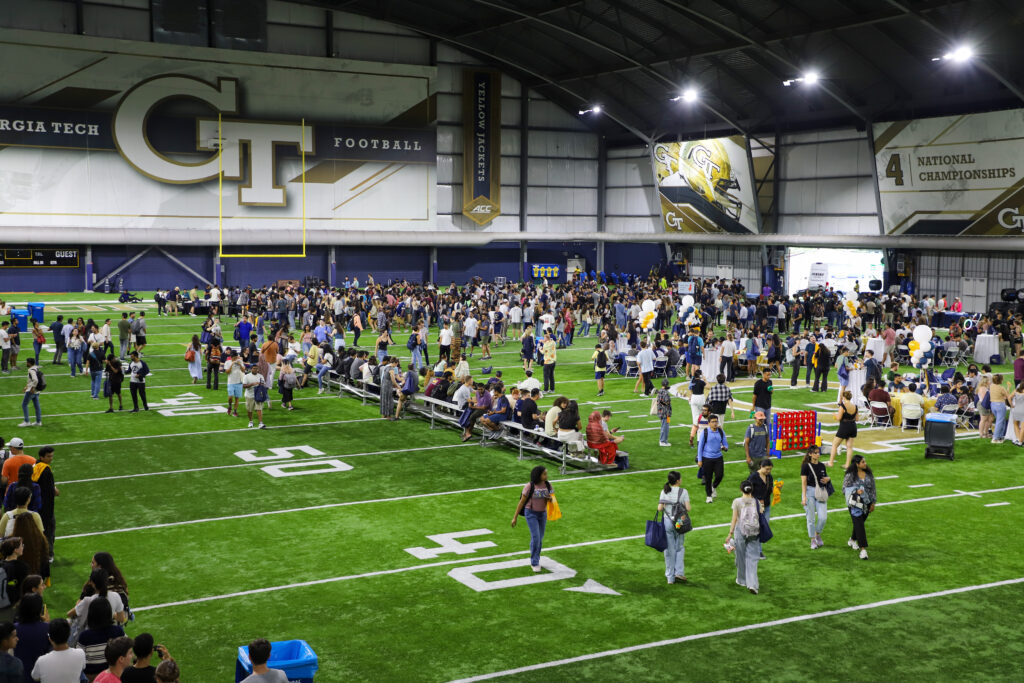
Although the Institute has more graduate students than undergraduate students, it can often be quite challenging to find a graduate student at Institute events and football games. However, Will Pavlick, Ph.D ECE and Graduate SGA President, and Dr. Luoluo Hong, Vice President for Student Engagement and Well-Being, sought to help graduate students feel more connected to the Institute last Friday, August 22, at the annual Grad Welcome Picnic.

The event, hosted in the Mary R. and John F. Brock Football Practice Facility, lasted almost three hours and consisted of a variety of free shirts and food for the students, as well as different yard games, such as cornhole and a massive Jenga set. 

While most students initially flocked to the free food, the line also allowed students to start talking to the people near them. The other students either sat at the tables talking or played one of the many yard games. 

The cornhole games in particular were quite popular: each cornhole game had about 10 people, with five members on each side. Pavlick also joined the games as he went around trying to talk to everyone.

“We have something special where we take all of these different colleges, all of these different schools, and bring them together with food, music and games,” Pavlick said.

While the undergraduate class is quite diverse, many students are in-state and come to the Institute with high school friends, but this is much rarer for graduate students, since a larger portion of graduate students come from out-of-state or are international when compared to the undergraduate population. This dynamic can make it challenging for new graduate students to find a community on campus quickly, but it also makes the graduate population even more diverse than their undergraduate counterparts. 

To showcase this diversity, Hong listed each of the six inhabited continents from the stage and asked students to cheer when they heard the name of the continent where they were from. For each continent, there were more than a handful of cheers emanating from the crowd. 

Due to the wide range of backgrounds, it might be hard for many graduate students to relate to each other, but the picnic and other events for graduate students can help them adjust to the Institute and Atlanta as they continue their research and studies.

“I did my undergrad at Rutgers and came to Atlanta for grad school, so that’s why I like these events to see some familiar faces and also some new ones,” said Swarnima Roychowdhury, Ph.D BME.

The event was hosted on a practice football field, which gave it a grand feel, thanks to its size. The large venue also allowed people to spread out more easily, enabling the diverse social crowd to stay comfortable at the event while still socializing with their friends.

“[Hosting here] gives students a chance to explore buildings on campus they haven’t before,” added James Black, Director of Student and Academic Affairs. Having so many students from different programs provided an opportunity for people to interact with departments they might never have met before.

“I just don’t interact with too many students from other departments, and we all have our own things we are working on, so it can be a little difficult to know where to start,” said Manuel Coates, Ph.D CE.

The graduate students who attended the event found it to be very enjoyable, with many stating that it was not their first time attending the welcome picnic, and they would return with more of their friends.

“If I knew so many people were going to come, I would have told more of my friends to come. I’ll tell them to come with me next year,” said Francisco Polo Salinas-Fiesco, first-year M.S. SEEM.

While classes at the Institute can be challenging and fast-paced, comfort can always be found with other students here, whether new or old. There are plans for more graduate events both within the different schools and with the Institute as a whole.

The post Diverse grad students bond at Grad Picnic appeared first on Technique.

Posted in UncategorizedComments Off on Diverse grad students bond at Grad Picnic

A contagious night of energy and culture at CSA’s Lantern Festival

Last Wednesday, Feb. 19, the Exhibition Hall was full of energy and excitement for the Chinese Student Association’s (CSA) Lantern Festival celebrating Chinese culture. The Lantern Festival attracted hundreds of students to engage with Chinese food, culture and celebration, with many dance team performances.

Before the event, students helped set up tables and decorations, while others helped apply make-up to the various student performers. During this time the Technique sat down with CSA co-presidents,  Kathy Ye, third-year ISYE, and Jason Wang, third-year BA.

“The Lantern Festival, which is celebrated 15 days after the Chinese New Year, is a smaller festival when compared to the New Year, that marks the end of the winter holidays of the New Year season. The point of the festival is to come together and build community with friends and family while eating good traditional food, which is why we’re hosting our Lantern Festival,” Ye said.

The CSA and attendees exhibited these ideals as the Exhibition Hall filled with students and some family members who came to participate in their community. Since the event was not limited to CSA members, there were students of various ethnicities attending the event to immerse themselves in Chinese culture, one of CSA’s main goals with hosting the Lantern Festival. Ye believes that one of Tech’s strengths is students’ ability to showcase their culture and heritage and to engage with various cultures apart from their own..

“At Tech, you can bring something that is more cultural and Chinese to peers at Tech, and it builds a community in a way,” Ye said.

The Lantern Festival community also included members from other Asian organizations on campus, as well as performances from the Vietnamese Student Association (VSA) Modern Dance group.

“We really like to support each other when it comes to these kinds of events. So it’s not just the Chinese culture, but as well as other Asian cultures, Ye said.

While the event officially started at 6 p.m., the doors opened at 5 p.m. so students and family members could find their seats and converse. As students checked in, they received a red envelope, a Chinese custom during festivals and holidays. Inside the envelope were a couple of raffle tickets and a fortune. The raffle prizes included popular items like a Dyson Hairdryer, an iPad and a Lego Money Tree. Many students were eager to earn more raffle ticket entries by playing games like cup pong and picking up items with chopsticks within a certain time limit. 

The two student co-hosts started the event by instructing attendees to head over to receive their food, which consisted of a wide variety of authentic Chinese dishes. Once everyone had received their food, the performances began.

The night started with a performance from the Filipino Student Association (GT FSA) performing the Tinikling, a traditional Philippine folk dance that involves two people beating and tapping bamboo poles on the ground or against each other while two dancers step in and over them. The quick dance and the tapping of the bamboo sticks immediately got the crowd clapping in rhythm. After that performance, VSA’s Modern Dance team performed to a mix of English music and Chinese music, which built on the audience’s energy from the previous performance. 

Various dance styles and performances were placed next to each other, displaying the richness and diversity of Asian culture. After VSA Modern Dance, GT Dragon Flyers performed with diabolos, a type of glowing yo-yo. The jugglers used two sticks with a string connecting them to rotate the yo-yo while performing tricks. Similar to the previous two, this was a high-intensity performance since they spun the diabolos so quickly and threw them to great heights. The audience contrasted audible gasps and cheers after a cool trick to jaw-dropping silence..

This performance was followed by a solo performance by Lily Gao, first-year BA, as she played the hulusi, a free reed wind instrument. Afterwards, Gao said, “I wanted to participate in the festival because I wanted to celebrate Chinese culture.” 

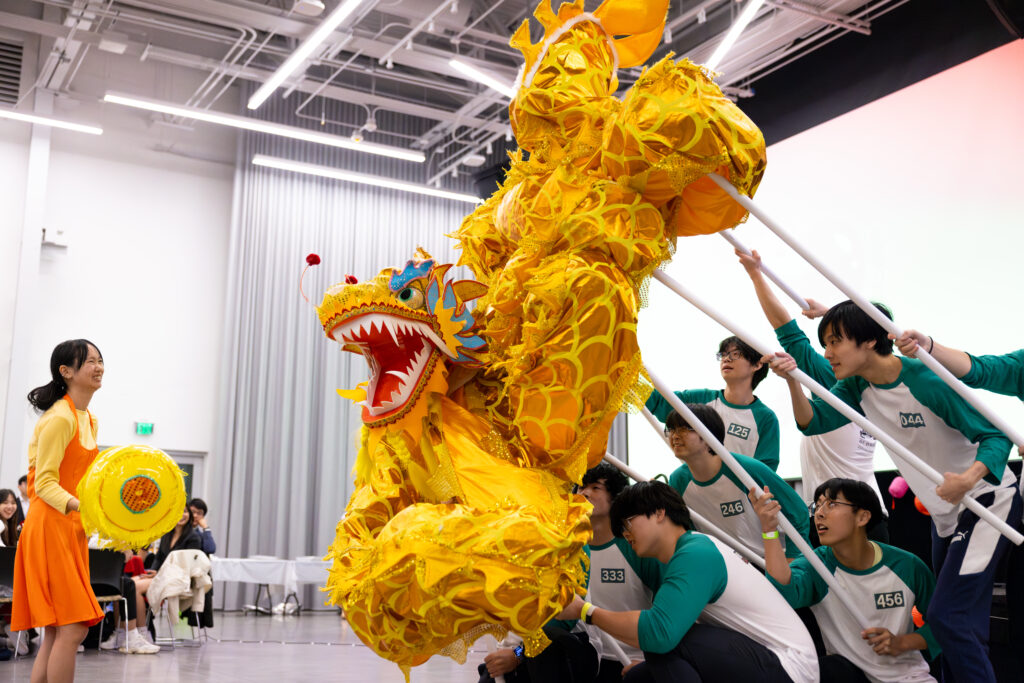
After the calming and melodic solo performance, GT Dragon Dance performed with dancers dressed up as “Squid Game” characters. The dancers created shapes like a star with the body of the dragon, in addition to other tricks like rotating the body so the dragon looked like it was continuously spiralling. 

The final performances included CSA’s Traditional Dance team and GT Seoulstice, Tech’s Korean Modern dance team.  Each dance team, both within and outside CSA, showcased the unity and cultural acceptance that is amplified at Tech.

Two representatives from Auburn University’s Chinese American Student Association (CASA) also attended the festival since they founded their association about a month ago. The attendees, Vincent Lin and Jenny Ngo gushed over how much they enjoyed the Lantern Festival and how well-orchestrated it was.

“Due to a recently passed bill in Alabama that restricts funding to cultural organizations, it has been a lot harder to help create CASA in Auburn, so it is really cool to see it thriving here,” Lin said.

“Since we created CASA about a month ago, we wanted to support Tech’s CSA and reach out to other CSAs and CASAs in the southeast to bring a community,” Ngo added.

After talking to the two students from Auburn, it is easy to see how important it is to represent one’s culture on campus and how lucky students at Tech are to be able to continue to do so. The Lantern Festival shows that attending cultural events from both one’s own culture and different ones fosters community.

“It’s that one event that you can bring people together, in a sense that because everyone is so busy with their classes, schedules, and life, the festival can be a getaway from all these things allowing students and friends to come, even with their family members as a community,” Wang said.

The post A contagious night of energy and culture at CSA’s Lantern Festival appeared first on Technique.

Posted in UncategorizedComments Off on A contagious night of energy and culture at CSA’s Lantern Festival

New “Wolf Man” is all bark and no bite

Movies released in January are often overlooked both critically and at the box office. Sadly, “Wolf Man” is not an exception to this trend, and the film has a lot of major flaws that hold it back from reaching its true potential. 

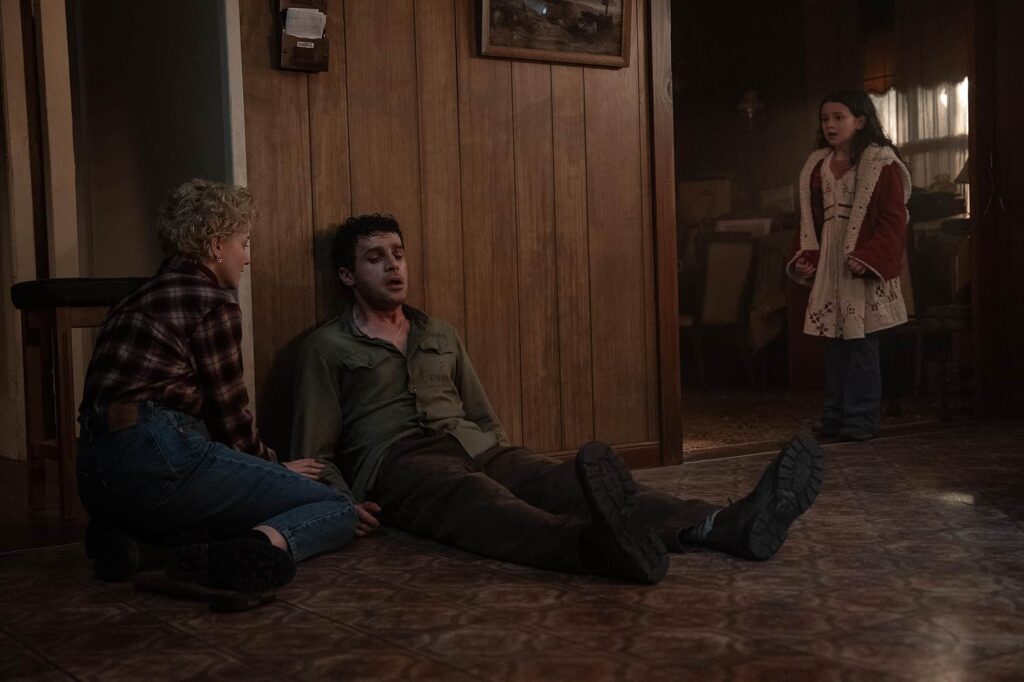
“Wolf Man,” directed by Leigh Whannell, follows a family of three as their trip to visit the father, Blake’s, childhood home quickly goes wrong, forcing the family to take refuge in the home as a wolf man stalks the family from outside the house. Meanwhile, Blake, played by Christopher Abbott, is slowly transforming into one. Even though the film is a remake of the classic Universal horror movie with the same title, the film alters the wolf man transformation from the original film. In this movie, the curse is a disease transmitted when a wolf man attacks its victim. This change also highlights the film’s themes of generational trauma littered throughout the storyline.

One of the film’s biggest strengths is its setting. Blake’s childhood home has been abandoned for quite some time, leaving the house poorly lit and contributing to tense scenes since the audience cannot see very well. 

Additionally, the film often switches perspectives from Charlotte, Blake’s wife, (Julia Garner), to Blake as he transforms into a wolf man. The audio and lighting change with each switch since the wolf man has night vision, allowing once-dark scenes to be illuminated with bright lights that let the audience see the film through Blake’s perspective. This was a fascinating technique that allowed the audience to feel empathy towards Blake even if the audience was starting to fear him due to his rabid behavior. 

The film displays Blake’s childhood in which he grew up living with his father. His dad is strict and militaristic; while he tries to protect his son from danger, his parental skills are far from perfect. In the brief scenes the audience is shown, it is easy to see that Blake did not receive a lot of affection and care from his father. Due to this, Blake wants to be different from his father, even though, at times, bits of his father’s personality can be seen. However, aside from one scene where Blake slightly loses his temper with his daughter at the beginning, the film shows Blake as a good father, and it is repeatedly mentioned in the film by Charlotte. 

As Blake transforms more and more, the film starts to lose the discussion around generational trauma. While they do try to bring it back at the end with a plot twist that the audience can see coming from a mile away, the correlation between the disease and generational trauma seems lackluster and more like an idea pushed by an executive so the film could be marketed as “elevated horror.” The film could have expanded on this topic with more dialogue scenes or showcasing more of Blake’s dynamics with his family, but it fails to do so.

The character that suffers the most from the lack of dialogue and character expansion is Charlotte, who becomes the film’s main protagonist. While Garner brings her A-game and tries to gain the audience’s support, most of the audience does not feel connected with her since her character does not get a lot of screen time until after Blake is almost fully transformed into the wolf man. The film would have benefitted from having more scenes prior to the family reaching Blake’s childhood home, allowing the audience to connect more with Charlotte and her goals. 

Charlotte and Blake are currently in a rough patch, with a divorce looming. However, as Blake’s transformation continues, this idea is quickly ignored, and instead, the film tries to convey that their relationship was never that close to being over. More scenes of the couple together, both good and bad, before the transformation, would have fleshed out both characters and shown more of Blake’s temper, ultimately relating back to the themes of the movie.

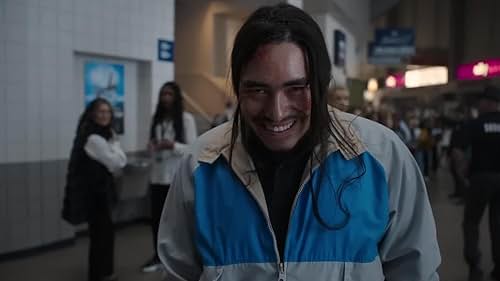
A big complaint that fans of the movie had prior to its release was the design of the wolf man. Universal showcased the design for the first time during their Halloween Horror Nights by dressing someone up as the character. Since the transformation happens because of a disease, the  costume looked more like a rabid human than a classic werewolf. This marketing move on Universal’s part was a terrible mistake since it made people not want to watch the movie because of the design. 

However, the final design of the wolf man in the film was much better and scarier which makes sense since the film had a budget of $25 million, while the budget to create the Horror Nights costume was nowhere close to this. While it may not please everyone, the design is miles above what was shown during the Halloween event. Universal unfortunately spoiled the final look in a teaser they put out before the film’s release which took the shock value away from the final transformation scene. 

Overall, “Wolf Man” is a disappointing watch. Whannell is a good director, and his films normally have an interesting shot variety with many lasting, stand-out moments that take hold in viewers’ memories. While some scenes in this film live up to his standard, the film is overall shot in a pretty generic way, and most of the memorable scenes are already found in the trailers. For these reasons, the film is a decent movie to catch once it is made available on a streaming service.


The post New “Wolf Man” is all bark and no bite appeared first on Technique.

Posted in UncategorizedComments Off on New “Wolf Man” is all bark and no bite

Megan Park and Maisy Stella talk “My Old Ass”

“My Old Ass” revolves around 18-year-old Elliot, played by Maisy Stella, taking mushrooms on her birthday and meeting her 39-year-old self, played by Aubrey Plaza, and the days leading up to her move to Toronto. The film, while advertised as a comedy, genuinely plays with one’s heartstrings as it deals with growing up, leaving one’s family and hometown and realizing not to take the little things for granted. 

One of the main questions and topics that surrounded the roundtable interview with Maisy Stella and director Megan Park was how Elliot was written and how the film was able to escape any labels of being “cringy” by trying too hard to replicate the way Gen-Z speaks. Park responded that she did not try to replicate any specific phrases and linguistic choices to help eliminate the feeling of being dated. 

“I also tried to poke fun at this by having her older self make the comment about how no one says ‘MILF’ in the future. I also tried to write Elliot as a character,” said Park.

Stella also chimed in on this question by talking about how the script immediately caught her attention since it was not like something she had seen before. She talked about how most scripts about people in her age group tend to be one-noted and written like a caricature instead of a real human. 

Park explained how she was sick of the trope of the angsty teenage girl who hates her parents and is rude yet is still the person the audience is supposed to root for. She said, “I just think it’s so boring and not real and layered. And I certainly wasn’t anything like Elliot at 18 but at the same time I had such a complicated relationship like she did with home.”

Elements like that help make the film more nuanced since it makes the film not only more realistic but also helps with the timeless aspect that Park was aiming for. She also stated that it was one of her reasons for making the film more optimistic and having Elliot actually strengthen her relationship with her parents before she leaves for college. Park wanted to bring the feeling of wanting to leave home but also not wanting to leave it and growing up.

“That’s why I chose to include the scene of Elliot checking in on her parents sleeping and choosing to sleep in her brothers’ room on the floor to showcase that feeling of not wanting to grow up but still remain independent,” said Park.

When asked if Stella related to Elliot and the feeling of growing up too fast, Stella was able to recount how being a child actor led to her always feeling like she had left the house too early and felt sentimental since she related to certain struggles that Elliot faced. Stella also added that just like Elliot she is also deeply optimistic and “all the things Elliot starts as and ends as” and was able to use her own experience and feelings to help bring Elliot to life as a more realistic and lived-in character. 

Creating a lived-in character was also successful through Park’s ability to let her character add their own input and thoughts into a character. Park started off as an actor before transitioning to directing. She said that “if all goes well, I hope I will never have to appear on the camera and can stay on the opposite side of it.”

One element of this collaborated effect can be seen during the second trip scene where Elliot imagines the “Dreamer Girl” from a Justin Bieber concert. Elements from that scene were added based on Stella’s input, like allowing Elliot to be the one acting as Justin Bieber and singing the song. 

In addition to discussing growing up and leaving one’s home, the film also touches on  themes of sexuality. Elliot is at first portrayed as a lesbian, yet her main love interest in the film is a guy. This is brought up in a very memorable and touching scene where Elliot talks about how she does not like labels. 

The discussion ends with Park and Stella giving the attending students advice on how to enjoy the little things in life and not take them for granted. Park discusses that she is trying to reduce her screen time and stay more in the moment to help reduce any stress and tension that can occur with the constant usage of social media and having an internet persona.

It is easy to see why “My Old Ass” resonated with so many people. Not only did the film deal with interesting topics like growing up and sexuality, it was also able to relate with them due to the crew of people who actually wanted to start a discussion and create a comfort film that will hopefully reach the level of appreciation and cultural significance like “Juno” in the future. 

“My Old Ass” is now streaming on Prime Video and can be rented or purchased on any digital retailer.

The post Megan Park and Maisy Stella talk “My Old Ass” appeared first on Technique.

Posted in UncategorizedComments Off on Megan Park and Maisy Stella talk “My Old Ass”

“Heretic” explores faith and fear through film

After the release of the first trailer for “Heretic,” the film’s premise became a major topic of contention. The trailers gave similar vibes to “Barbarian” and “Saw,” but the A24 credit appearance left audiences confused and perplexed. However, the actual film, while very interesting and well-acted, turned out to be fairly predictable with major pacing issues. 

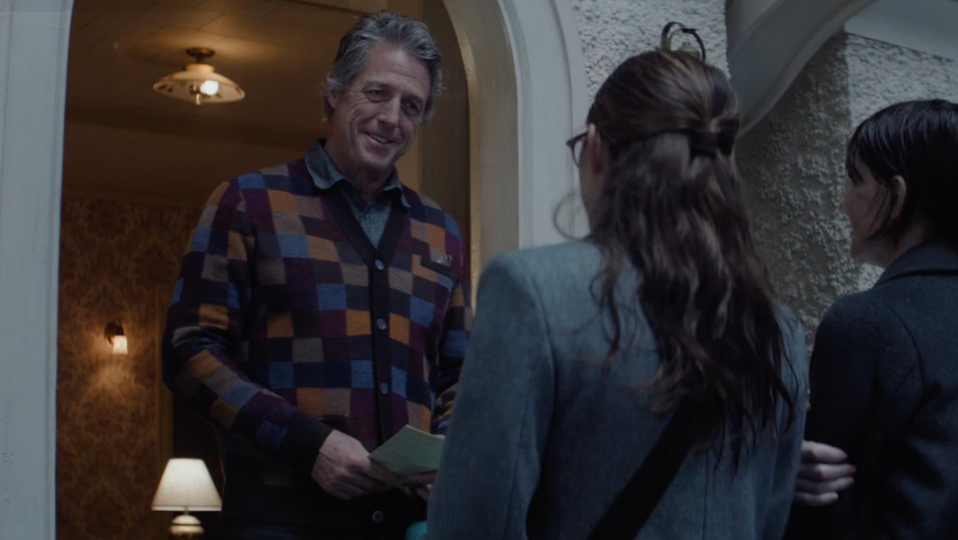
Many film fans know Hugh Grant from rom-coms, where he tends to play the very likable and charismatic lead. In this film, Grant is able to use his personality and charm to create an interesting villain, Mr. Reed. Grant uses his rom-com past to help diffuse tension and make people let their guards down around his character. 

Grant’s approach to this role makes scenes later on when he is revealed as the villain still very interesting because he is able to maintain that initial appeal. Grant is clearly enjoying himself which is always a wonderful addition to any performance. 

The same phenomenal acting can be said about the film’s two leads, Sophie Thatcher and Chloe East, who play Sister Barnes and Sister Paxton respectively. Thatcher has established herself as an up-and-coming scream queen with roles in both “Yellowjacket” and “The Boogeyman.” She seems very comfortable in her role, selling exactly how terrified she is of Mr. Reed. Sister Barnes is more confident while Sister Paxton is more timid and nervous, making Paxton’s character development interesting and showcases how she is able to rise up in tough and horrifying decisions. 

However, even with the great acting and really nice set design, the film suffers from pacing issues. The film is 110 minutes long, and more than 60 minutes take place either in the living room or the house’s chapel. It creates a repetition and slowness in a film that needs momentum to fully work. 

Additionally, the ending of the film felt too rushed. While the other rooms that the main characters walk through are meant to look scary, these scenes’ design is a bit like a letdown. 

While the final part of the film felt like a proper ending, it was very similar to “A Quiet Place,” which makes sense they both have some of the same writers, Scott Beck and Bryan Woods. However, just like the duo’s previous film, “Heretic” suffers from pacing issues and ends with ideas and concepts still left on the table, leaving audiences craving answers. In any case, the film is definitely one that is better in theaters and should be seen soon to avoid spoilers.

The post “Heretic” explores faith and fear through film appeared first on Technique.

Posted in UncategorizedComments Off on “Heretic” explores faith and fear through film

“Smile 2” is a crowd-pleasing horror movie

“Smile 2” starts six days after the ending of “Smile,” opening on a character from the first film, Joel, who now has the curse. The opening scene is shot like one continuous take, immersing the audience into Joel’s perspective in a fantastic sequence. However, after the opening scene concludes and the title appears, the film never reaches the same heights of suspense until the end of the film. But it is still fun. 

The film then introduces the audience to Skye Riley, played wonderfully by Naomi Scott, who is days away from the opening of her comeback tour. Just like the first film, “Smile 2” explores trauma and the problems that can occur by not treating mental health issues correctly. Skye’s comeback tour is due to her previous drug addiction and a car crash that killed her boyfriend. 

While most horror aficionados nowadays scoff at jump scares, director Parker Finn is able to create scenes that ambushed almost everyone in the theater. He uses these moments effectively and sparingly to keep them fresh. He creates a sense of dread and fear, especially since, just like Skye, the audience does not know if what is happening is real. 

A sequence in an apartment involving a stalker and one involving a backup dancer stand out as disturbing scares that are memorable for more than just their blood and gore. Finn is also able to include comedy throughout, which at first seems out of place, but works really well.

The film’s acting is superb, especially Naomi Scott’s performance. While some people might know her from the 2019 “Aladdin” remake, most Gen-Zers will remember her from the Disney Channel original movie “Lemonade Mouth.” Both films demonstrate Scott’s acting and musical talent. In fact, throughout the film, the audience is able to hear in-world music from Skye Riley, which is quite good. 

The final positive for the film is the ending. While a bit predictable, it was still a wild way to end the film. The reveal — and the way Finn decided to shoot the ending — was a highlight of the movie. Even though the ending is essentially a reverse shot, the moments that the camera lingered were effective. The ending of the film will either leave audiences laughing or completely shocked.

Whenever a film utilizes a rotating camera or showcases the world reflected on the x-axis, it is meant to show how the world is going into disarray and highlight that problems are about to occur. A great example of this can be found in “Midsommar,” when the main characters are driving to the Swedish community of the Hårga. This camera movement showcases to the viewers that essentially the world is flipping and what is wrong may not be considered wrong anymore. 

When used sparingly, it can be useful and effective. However, in “Smile 2,” the camera rotation is used constantly and loses its charm and appeal. Instead of being a novel shot, it is used after almost every sequence and becomes annoying. It is similar to when directors overuse the Dutch/Canted angle. Both shots are meant to disorient the viewer and create a sense of uneasiness, but overusing them can feel tacky and unoriginal.

The movie’s score is another problem. Recently, horror movies have started to use loud and eerie music, making them all sound similar. If one were to swap the “Smile 2” score with one from another horror movie, viewers would barely notice a difference. A film’s score can help with the storytelling and make the film memorable and original, making this a missed opportunity. 

By the end of the film, viewers are left wondering how much of the film actually happened and how much was just the demon confusing Riley. The original film did not use as much time and reality manipulation as the second, making the film disorienting. Many scenes turn out to simply be dreams, a lazy plot device that feels more like a cop-out than a twist.

Overall, “Smile 2” is a decent and crowd-pleasing horror film. If viewers want horror and a bit of gore without reaching “Terrifier 3” levels of grossness, it definitely is a fun matinee watch with a group of friends.

The post “Smile 2” is a crowd-pleasing horror movie appeared first on Technique.

Posted in UncategorizedComments Off on “Smile 2” is a crowd-pleasing horror movie

Chick-fil-A hosts breakfast for dinner trivia night

Chick-fil-A’s warm Southern hospitality and friendly manner make it a top contender in the world of fast food service. The Chick-fil-A in the John Lews Student Center further demonstrates this friendly environment, with long lines and super approachable staff members consisting of fellow Tech students. While many would argue that their menu is the main reason why they excel over other fast food chains, their customer service standards are strongly withheld and are on par with what makes them so successful. 

To help strengthen the connection between the student body and Chick-fil-A, the restaurant hosted a trivia night with Chick-fil-A-related prizes on Oct. 3 as part of its “Breakfast for Dinner” promotion. 

Deidre Schulte, third-year PHYS, was one of the two co-hosts for the night. 

“We have such a community with each other, and we want to reach out to the students and create close connections,” Schulte said.

Schulte, who previously worked at Chick-fil-A in high school, said she stayed at Tech’s location due to the people she could work with. Having a majority student-run location heightens the sense of community and friendliness that the company wants to attain, which has been achieved based on the location’s success. By having a trivia night, the location wants students to take a break from school and relax while having fun with friends and meeting new people.

“It is hard to find a community when you’re so caught up at school, and working together just builds that level of community with the students,” Schulte said.

They also wanted to host the trivia night to encourage a sense of community and working together in Chick-fil-A throughout the student body.  

 “I feel like trivia night really brings people together, working together, and trying to answer the questions. We’re just excited to see everyone work together,” Schulte said.

A statement that later felt like an understatement as the night continued since not only did students come in friend groups to play, but opposing teams also got closer with friendly banter and side conversations between rounds. 

The trivia had a mix of questions about Tech, sports, music, history, and, of course, Chick-fil-A. Due to the high number of students that arrived early for trivia night, the games started fifteen minutes early since everyone was eager to start. With a Chick-fil-A meal in one hand and a pen in the other, students attempted to outwit their opponents. 

Even though the actual trivia session was only to start at 7 pm, “Breakfast for Dinner” started at 6 pm which led to a high amount of students sitting down, getting ready for the trivia session starting from 6. Luckily, the two co-hosts, Schulte and Scarlett Harrington, created a wonderful and ecstatic energy from 6, making even waiting for the event to start to seem entertaining due to their colorful personalities. 

The night was a mix of fun and chaos as groups battled for bonus points by trying to sing the songs that were the answers for the music section of the night. By the end of the trivia section of the night, the energy was still high, and the students clamored for more.

Due to the event starting fifteen minutes early, the trivia also ended fifteen minutes early, allowing the two co-hosts to host an impromptu mini-trivia for those who wanted to stay. Almost everyone did.

“The trivia session was a fun way to spend dinner time together while also playing trivia games. Even though we didn’t win, we definitely would come back again,” said Akash Patel, second-year PHYS, Vincent Yang, second-year CS, and Kevin Ghobrial, second-year CMPE.

Due to the trivia night’s location, right in front of the Chick-fil-A, students walking around the student center also sat down and joined the game because they saw how fun and engaging the trivia was. This also added to the community aspect that the company was hoping for because some students who previously did not know the event was occurring joined because they saw fellow students participating.

When the night officially ended, the two co-hosts were bombarded with questions about when the next trivia night would be. Since this was the first and currently only one planned, they asked everyone who attended if they would come again for another game night, and they were met with a universal yes.

“If this is successful, it’s definitely something we will look forward to having more of,” Schulte said before the event.

Given the great success, this will likely be the first of many trivia night Chick-fil-A hosts.

To find more information about Trivia Nights and possible Game Nights, look out for signs and posters around the student center. “Breakfast for Dinner” is hosted on the first Thursday of every month.

The post Chick-fil-A hosts breakfast for dinner trivia night appeared first on Technique.

Posted in UncategorizedComments Off on Chick-fil-A hosts breakfast for dinner trivia night

Netherworld Haunted House ushers in Halloween spirit

Since 1997, Netherworld has created a world-class haunted house attraction for Georgians to visit during the Halloween season. Each year, they create unique and interesting themes for their two haunted houses using a mix of spectacle and horror, and this year is no different. 

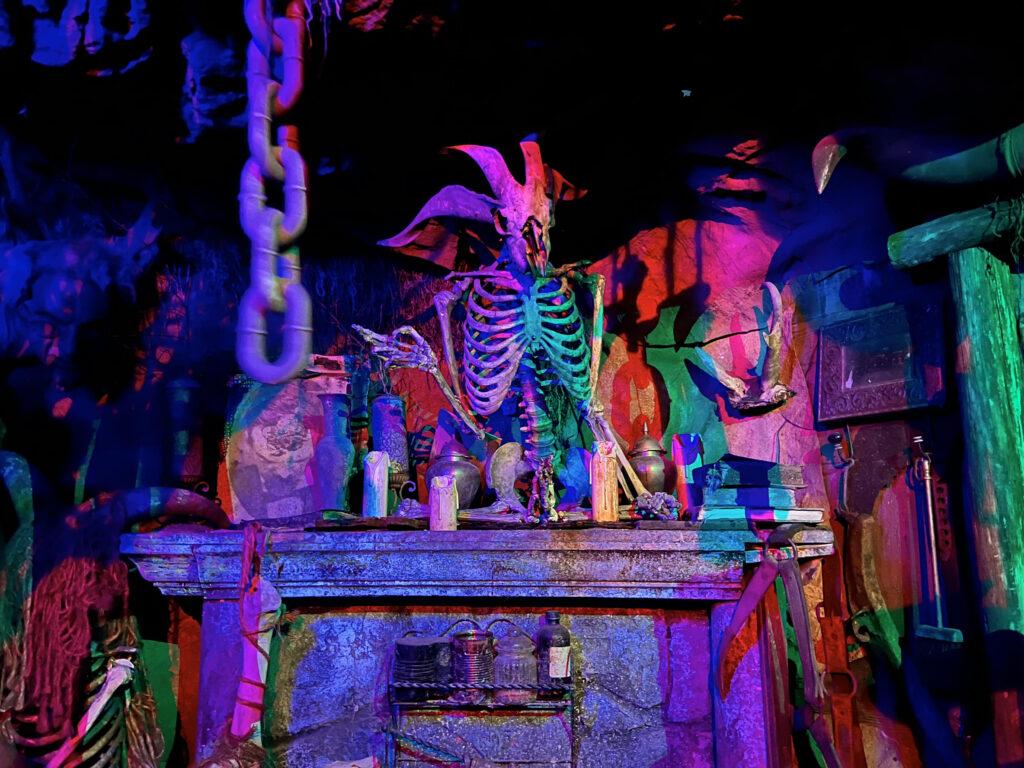
This year’s main house is called “Wake the Dead” and features a variety of monsters competing for primordial energy. The house is themed to the different elemental forces and has a distinctive main monster for each section. While reading up on the theme can be helpful, visitors are still able to enjoy the attraction even without prior research. However, understanding the elemental beings can help with the experience and explain why there is a sunken ship and an area with fake snow falling. 

The animatronics in this house were absolutely stellar and were mixed with actual scare actors. This resulted in visitors’ uncertainty if the monster they were looking at was a real person that would follow them around or was just an animatronic waiting to perform a jump scare. Even though the house is not considered a maze, there are sections that may be confusing, especially the mirror room. With the added effects of loud noises, dark lighting and scare actors following guests around, the room layout can be a bit disorientating. That being said, the scare actors are always ready to help visitors out while still remaining in character. 

While the set designs and animatronics looked like they were ripped straight out of a Hollywood production and lead to many moments of amazement, the real stars of the house are the actors. As guests walk out of the first house, they are brought to an area that looks similar to a landing hub that can be found in live service games. At this landing hub, visitors can find food stalls, the guest shop, the entrance for the second house and actors walking around trying to scare unsuspecting guests. There, guests can ask the actors who are willing to join them for photos.

The actors, both in the haunted houses and at the hub, are full of energy, and their enjoyment can be felt by visitors. It also is really impressive to see the scare actors remain in character as guests try to ask for photos, at times responding in manners and vocal patterns like a squawk or growl similar to their character.

The hub also has a small escape room for an upcharge that rewards visitors with a celebratory “I escaped” sticker if finished in under three minutes. The mini escape room is a low-capacity attraction and may be closed either due to maintenance issues or if the demand is too high. However, Netherworld has a year-round escape room that utilizes a larger and more standard escape room with a horror twist. 

There is also a second house called “Mr. Grendel’s Birthday Party of Horror.” Tickets for the second house can be accessed by purchasing the combo ticket for about five dollars extra which grants access to both houses. The second house is a bit smaller than “Wake the Dead.” That being said, both houses pack quite the punch. Even if the actual duration for both houses is a bit under one hour, the time spent in the house feels a lot longer than that due to the confusion and disorientation that both the houses create. 

While the second house is not as scary as the first house, there is more of a camp feeling to it. Because the house’s theme is a killer clown birthday party, the house has more bright and colorful lights as compared to the first one. There are also fewer actors in the second house which is a bit underwhelming, but the house’s designs and animatronics are still no joke.

When entering the house, employees might tell guests to seem like they are enjoying the party being thrown by the monsters. If guests act happier and dance with the monsters, the monsters join in which is a very cute addition, even if it takes away some of the horror. While the second house may not be everyone’s cup of tea, for the small additional fee, it is the perfect add-on for visitors. 

Netherworld Haunted House is open most days in October and will close on Nov. 9.

The post Netherworld Haunted House ushers in Halloween spirit appeared first on Technique.

Posted in UncategorizedComments Off on Netherworld Haunted House ushers in Halloween spirit