
Author Archives | Lia Thomas

‘Springsteen: Deliver Me From Nowhere’ exposes the man behind the music

“Springsteen: Deliver Me From Nowhere” digs to the core of the legendary New Jersey native Bruce Springsteen, sharing the art behind the creation of his 1982 album “Nebraska.”

Inspired by Warren Zanes’ 2023 novel “Deliver Me From Nowhere” and Springsteen’s 2016 memoir “Born to Run,” director Scott Cooper spotlights a crucial time of Springsteen’s life. Instead of summarizing his entire career, Cooper chose to highlight the internal darkness that led to a turning point in Springsteen’s early career. 

Jeremy Allen White brilliantly captures Springsteen’s psyche through his own essence of vulnerability and passion. White’s acclaimed performance as a troubled chef on the series “The Bear” allows him to truly share the inner psychological workings within Springsteen. White learned to sing and to play the guitar and harmonica for the role, therefore adding to White’s acting credibility. 

The film treats and subverts many of the genre expectations associated with a musical biopic. Springsteen returns to his home state of New Jersey after his expansive “Rivers” tour, and he comes to a crossroads in both his career and personal life. Much of the film sheds light on the mental health issues Springsteen experiences while balancing his authenticity and the growing demands of his management. 

While creating his next album, “Nebraska,” Springsteen desires to mend the void within himself, a consequence of the ugly and unresolved parts of his past. Many flashbacks are included in the film, not of his peaks or glory days, but rather, the difficult, raw moments from his childhood that he struggles to face. While this film entertains typical genre clichés with his on- and off-the-stage career highlights, the film takes more of a deeply meditative documentarian approach, cracking open Springsteen’s mental and emotional warfare. Notably, Springsteen was on set for most of the filming, keeping the portrayal of Bruce Springsteen real and consistent throughout.

The film emphasizes that the success of an album is not defined by its commercial gain, but rather the creation of a non-commercialized work of art. Like “Nebraska” which has a barebones, folk-y sound, the cinematography often displays fall leaves on the brink of winter. 

In his bedroom in New Jersey, Springsteen simplifies the process of recording with a four-track TEAC Tascam PortaStudio and a Gibson Guitar Echoplex. Through this medium, he wrestles not with the technology, but the words he writes and their meaning. The film emphasizes Springsteen’s pivot away from attempting another hit album, but instead using music to embrace who he is behind all the fame.

The film highlights not just Springsteen, but everyone who made him who he is. The complexity within his parental and romantic relationships in the film shares the humanity behind the artist. The father-son dynamic, and their shared fight with depression, portrays how complex familial ties can be. In sharing his mental health journey and relationship struggles, the producers don’t make Springsteen out to be a heroic character, but a real person with relatable hardships.

On the other side of his journey, “Born in the U.S.A,” arguably his greatest work, arose from this time of struggle. He released both this hit and “Nebraska” with no desire for media or press attention, yet it became one of his most acclaimed works. The producers and cast strived to make the film not a musical biopic that trophies history but rather shares an intimate part of Springsteen’s life.

Fan or not of Bruce Springsteen, audiences will leave with something real, a reflection of one’s own experience and a deeper appreciation for the art of creating authentically.

The post ‘Springsteen: Deliver Me From Nowhere’ exposes the man behind the music appeared first on Technique.
Posted in UncategorizedComments Off on ‘Springsteen: Deliver Me From Nowhere’ exposes the man behind the music

Jazz blooms at Burle’s Bar on the Beltline

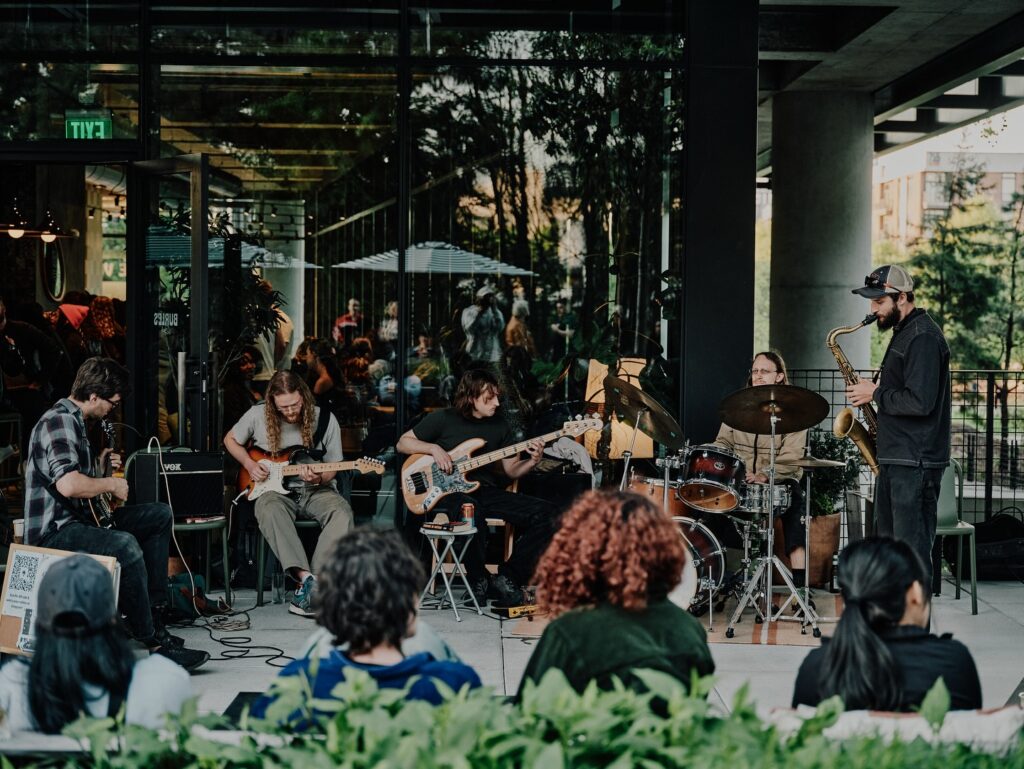
Tucked away on the Beltline, Burle’s Bar in Old Fourth Ward is truly a hidden gem. It uniquely distinguishes itself from any lounge with inspirations drawn from the Brazilian landscape architect, Roberto Burle Marx (1909-1994), who is best known for his futuristic garden-designs and tropical plant discoveries. 

Burle’s Bar creates a modern testimony to Marx’s legacy with its earthy shades of green and modern touch, tying it to the Victorian Atlanta plant shop that is just downstairs of the bar. The Victorian Atlanta plant shop started at Ponce City Market in 2017, and in 2023 with the addition of Burle’s Bar, they have bloomed their way onto the Beltline together. 

Burle’s Bar is a modern reinterpretation of a 1960s cocktail lounge with the ambient lighting and live jazz. With the embellishment of plant species and seasonal drink menu inspired by the plants downstairs, this third space creates a unique combination of moody vibes and love for nature. The extension from the intimate indoor space to the outdoor patio allows people to roam and socialize. 

On Tuesday evenings from 7-10 p.m., local jazz band Creosoteclone plays a range of classic jazz hits on the patio attracting many locals and visitors to this spot. “Jazz Tuesday Nights” have been consistent since 2023 at Burle’s Bar with an invitation to play jazz styles like Bebop and “straight-ahead jazz.”  

While predominantly playing this “straight-ahead jazz,” Creosoteclone honors and appreciates the foundations of jazz rooted within New Orleans founded from Black artists that made way to later styles like Bebop and contemporary jazz. Creosoteclone plays music ranging from artists like Charlie Parker to Latin jazz influences like Cristóbal Pinto and Gabriel Santiago which complement Burle’s Bar’s desire to preserve its artistic influences. 

The venue maintains a timeless quality despite its modern incorporations and location with their preservation of historical artists like Marx and jazz culture. People from all ages and demographics turn out to“Jazz Tuesday” nights, as advertisements through online platforms like TikTok attract people from all over to enjoy the atmosphere and live jazz. Burle’s Bar proves that the spirit of jazz still remains alive today in its prevalence in the food and drink industry.

The growing trend in the food and drink industry has shifted from feeding people to creating holistic experiences. Burle’s Bar satisfies this demand in which they attract and normalize “going out” at the beginning of the week with these jazz nights. Additionally, they continue this momentum by hosting occasional food pop-ups to keep the place fresh and lively. 

Secluded on the Beltline, Burle’s Bar creates a third-space to unwind and share a drink and listen and enjoy live jazz in good company. Their recognition of Roberto Burle Marx through their partnership with The Victorian Atlanta plant shop alongside support for local bands like Creosoteclone, spark conversation and connection. These elements attract a special community made up of Atlanta locals and a must-visit bucket-list destination for those out of town.

The post Jazz blooms at Burle’s Bar on the Beltline appeared first on Technique.

Posted in UncategorizedComments Off on Jazz blooms at Burle’s Bar on the Beltline

The lingering power of Bad Bunny’s ‘DeBÍ TiRAR MáS FOToS’

With only three months left in 2025, the themes of nostalgia and change on Benito Martínez Ocasio’s (Bad Bunny) sixth studio album “DeBÍ TiRAR MáS FOToS” (I Should Have Taken More Pictures) endure as powerful ideas in the music world. Released on Jan. 5 this year, one day prior to Three Kings Day, Bad Bunny honors the Puerto Rican holiday, comparable to Christmas in the U.S. 

The album, complete with 17 tracks and a short film, distinguishes itself from his other works with the fusion of traditional sounds like pleña and salsa blended with modern-day Latin pop and reggaeton. In doing this, he connects the older generation of music with the new, strengthening the message of the album. 

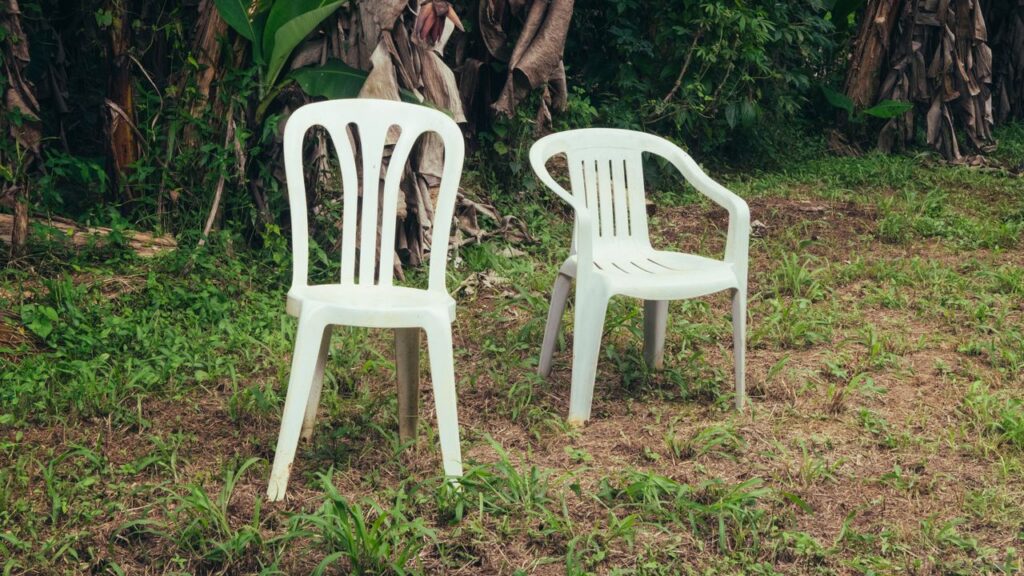
Monobloc chairs, an iconic symbol of Puerto Rico, are featured on the album cover, and they allude to the treasured memories spent in those plastic chairs with loved ones. Some interpret the meaning of the empty chairs to his message throughout this album that focuses around lost memories and culture. This visual depiction, alongside the title name itself, frames a nostalgic message that was heard and felt universally upon the record’s debut.  

The penultimate track on the album, “DtMF,” has reached over a billion streams on Spotify. The track, which is an abbreviation for the album’s title, accomplishes Bad Bunny’s fundamental theme of the desire to go back in time. Bad Bunny reminisces about his time spent in San Juan and comes to the realization that he can no longer go back to the same place it used to be. 

“DtMF” was featured in the short film where Bad Bunny illustrates the consequences gentrification has had on Puerto Rico with diverging cultural identities. In the film, an older man struggles to communicate in the new dialect to buy a pastrami sandwich with “queso de Papa” unfamiliar to what once was a local baker’s shop. This moment portrays the changing landscape of Puerto Rico through a simple sandwich, but it represents the changing cultural symbol of home. 

Another track, “TURiSTA,” is framed as heartbreak over an old love, and it serves as a metaphor for tourism. Lyrics “Y no te tocaboba a ti curala’, viniste a pasarla bien,” translated to “it wasn’t your place to heal them, you came to have a good time,” describe tourists that visit without caring about the place or people. Following a similar message, “BAILE INoLVIDABLE” features core sounds from salsa and instruments from students of La Escuela Libre de Musica in Puerto Rico. Bad Bunny evokes nostalgia through sound and imagery deliberately to honor his culture as well as to call attention to the not-so beautiful aspects of life on the island.   

Despite his refusal to tour in the United States, praise for this album has seeped itself into the classrooms of Emory and Yale University with its strong political and social messages. The two universities have created courses focused on Bad Bunny and his impact on Puerto Rico’s economic and employment trends over the years. After performing 30 shows in Puerto Rico, he has generated a $200 million boost for the economy with the heightened tourism to the island. The courses will analyze how his musical artistry has transcended from the medium of music to a capitalizing movement. 

“DeBÍ TiRAR MáS FOToS” serves as a sentimental guide for him, but it also teaches others how to navigate through nostalgia. It is one thing to sit and reminisce, but even he concludes that this will not change anything. Confronting regret and nostalgia is a universal feeling that Bad Bunny encapsulates through the record, and its reach has been felt around the globe. A viral TikTok trend emerged using the “DtMF” chorus that translates to “I should have taken more photos while I had you.” In this, users often shared fond photos of loved ones and places with this chorus in the background. 

All this to say, people in and beyond the Latin community connected with his message that calls them to savor the present and remember their roots. This album digests the bittersweet feeling of nostalgia, yet it also prompts action seen through his impact on Puerto Rico and the globe. So, with only a few months left to embrace in 2025, “DeBÍ TiRAR MáS FOToS” reminds us to take more photos of our loved ones and to look back often on past ones.

The post The lingering power of Bad Bunny’s ‘DeBÍ TiRAR MáS FOToS’ appeared first on Technique.

Posted in UncategorizedComments Off on The lingering power of Bad Bunny’s ‘DeBÍ TiRAR MáS FOToS’

The lingering power of Bad Bunny’s ‘DeBÍ TiRAR MáS FOToS’

With only three months left in 2025, the themes of nostalgia and change on Benito Martínez Ocasio’s (Bad Bunny) sixth studio album “DeBÍ TiRAR MáS FOToS” (I Should Have Taken More Pictures) endure as powerful ideas in the music world. Released on Jan. 5 this year, one day prior to Three Kings Day, Bad Bunny honors the Puerto Rican holiday, comparable to Christmas in the U.S. 

The album, complete with 17 tracks and a short film, distinguishes itself from his other works with the fusion of traditional sounds like pleña and salsa blended with modern-day Latin pop and reggaeton. In doing this, he connects the older generation of music with the new, strengthening the message of the album. 

Monobloc chairs, an iconic symbol of Puerto Rico, are featured on the album cover, and they allude to the treasured memories spent in those plastic chairs with loved ones. Some interpret the meaning of the empty chairs to his message throughout this album that focuses around lost memories and culture. This visual depiction, alongside the title name itself, frames a nostalgic message that was heard and felt universally upon the record’s debut.  

The penultimate track on the album, “DtMF,” has reached over a billion streams on Spotify. The track, which is an abbreviation for the album’s title, accomplishes Bad Bunny’s fundamental theme of the desire to go back in time. Bad Bunny reminisces about his time spent in San Juan and comes to the realization that he can no longer go back to the same place it used to be. 

“DtMF” was featured in the short film where Bad Bunny illustrates the consequences gentrification has had on Puerto Rico with diverging cultural identities. In the film, an older man struggles to communicate in the new dialect to buy a pastrami sandwich with “queso de Papa” unfamiliar to what once was a local baker’s shop. This moment portrays the changing landscape of Puerto Rico through a simple sandwich, but it represents the changing cultural symbol of home. 

Another track, “TURiSTA,” is framed as heartbreak over an old love, and it serves as a metaphor for tourism. Lyrics “Y no te tocaboba a ti curala’, viniste a pasarla bien,” translated to “it wasn’t your place to heal them, you came to have a good time,” describe tourists that visit without caring about the place or people. Following a similar message, “BAILE INoLVIDABLE” features core sounds from salsa and instruments from students of La Escuela Libre de Musica in Puerto Rico. Bad Bunny evokes nostalgia through sound and imagery deliberately to honor his culture as well as to call attention to the not-so beautiful aspects of life on the island.   

Despite his refusal to tour in the United States, praise for this album has seeped itself into the classrooms of Emory and Yale University with its strong political and social messages. The two universities have created courses focused on Bad Bunny and his impact on Puerto Rico’s economic and employment trends over the years. After performing 30 shows in Puerto Rico, he has generated a $200 million boost for the economy with the heightened tourism to the island. The courses will analyze how his musical artistry has transcended from the medium of music to a capitalizing movement. 

“DeBÍ TiRAR MáS FOToS” serves as a sentimental guide for him, but it also teaches others how to navigate through nostalgia. It is one thing to sit and reminisce, but even he concludes that this will not change anything. Confronting regret and nostalgia is a universal feeling that Bad Bunny encapsulates through the record, and its reach has been felt around the globe. A viral TikTok trend emerged using the “DtMF” chorus that translates to “I should have taken more photos while I had you.” In this, users often shared fond photos of loved ones and places with this chorus in the background. All this to say, people in and beyond the Latin community connected with his message that calls them to savor the present and remember their roots. This album digests the bittersweet feeling of nostalgia, yet it also prompts action seen through his impact on Puerto Rico and the globe. So, with only a few months left to embrace in 2025, “DeBÍ TiRAR MáS FOToS” reminds us to take more photos of our loved ones and to look back often on past ones.

The post The lingering power of Bad Bunny’s ‘DeBÍ TiRAR MáS FOToS’ appeared first on Technique.

Posted in UncategorizedComments Off on The lingering power of Bad Bunny’s ‘DeBÍ TiRAR MáS FOToS’