
Author Archives | Laci Killian

How Gen Z is reinventing horror

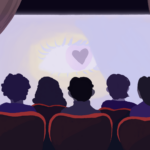
Over the last decade, horror has become one of the most popular film genres, especially among younger audiences. With the releases of “Obsession” and “Backrooms” horror is becoming one of the most popular and successful genres at the box office.

As of June 1, “Backrooms” is leading the box office with over $81 million in revenue within its first three days in theaters, breaking A24’s record for biggest opening weekend. “Obsession” takes the number two spot with $26 million from its third weekend.

The rave reviews for these two films are unlike any horror movie released in the last few years. With both films directed by YouTubers in their 20s, are we entering a new era of horror?

A new generation of horror

Kane Parsons is the 20-year-old who just broke multiple box office records with his directorial debut. Parsons got his start on YouTube, creating a web series based on the Backrooms image that became an internet sensation in 2019. Over the last four years, Parsons has accumulated over 3 million followers under the name Kane Pixels.

What makes “Backrooms” different from other horror films is that it was developed from an internet craze. Gen Z grew up watching trends come and go online, which gives the generation a different perspective. Because of that, younger filmmakers may be better equipped to turn internet culture into compelling horror stories, giving them an advantage older filmmakers simply did not have.

The Backrooms image inspired countless theories and online discussions, creating a built-in audience long before the film adaptation. With the internet presence Parsons had, he was able to create a film based on the stories behind the photo.

26-year-old writer-director Curry Barker got his start similarly to Parsons, by creating short-form videos and sketches on YouTube. Barker’s film “Obsession” was shot in just 20 days on a budget of less than $1 million, yet it is now considered one of the best new horror movies in years.

With both young directors having experience creating YouTube content, it seems that being online creators gave each director experience in filmmaking and an understanding of what younger audiences are looking to watch. 

A popular horror gaming YouTuber, Markiplier wrote, directed and starred in “Iron Lung”, which was released earlier this year. With his experience playing horror games, he had a different view on the genre than many other film directors.

Why these films stand out

While I personally am waiting for both films to be released on streaming (preferably in broad daylight), I was curious about why these films were rated so highly compared to other popular horror releases over the last few years. 

“Obsession” is considered a psychological horror, similar to “Smile” or “The Silence of the Lambs”. It is described as unsettling, but also with a sense of humor, due to the relationship conflict at the center of the plot. 

“Backrooms” is also considered a psychological horror, but the set creates an eerie, creepy atmosphere that leaves audiences uncomfortable. Parsons also includes found-footage sequences filmed on VHS, which adds to the uneasy feeling the Backrooms give off. 

Both films take real-life environments and familiar fears and turn them into horrific situations, a feat many recent horror films have struggled with.

The future of horror

As more young filmmakers enter the industry, we can expect more horror releases over the next decade. Parsons is developing a sequel to “Backrooms,” while Barker is adapting the popular “Texas Chainsaw Massacre.”

There’s no doubt the horror genre will continue to grow over the next decade, and it’s possible more YouTubers will be taking over the big screen. As Gen Z creators continue entering the film industry, audiences may see more internet-born stories make the leap to the big screen.

With this new wave of young directors redefining film, the future of horror has never looked better. Whether it’s the next viral photo or a YouTube series adaptation, it’s clear the golden age of horror has just begun.

Opinion@thedailycougar.com

—
“How Gen Z is reinventing horror” was originally posted on The Cougar
Posted in UncategorizedComments Off on How Gen Z is reinventing horror

How Gen Z is reinventing horror

Over the last decade, horror has become one of the most popular film genres, especially among younger audiences. With the releases of “Obsession” and “Backrooms” horror is becoming one of the most popular and successful genres at the box office.

As of June 1, “Backrooms” is leading the box office with over $81 million in revenue within its first three days in theaters, breaking A24’s record for biggest opening weekend. “Obsession” takes the number two spot with $26 million from its third weekend.

The rave reviews for these two films are unlike any horror movie released in the last few years. With both films directed by YouTubers in their 20s, are we entering a new era of horror?

A new generation of horror

Kane Parsons is the 20-year-old who just broke multiple box office records with his directorial debut. Parsons got his start on YouTube, creating a web series based on the Backrooms image that became an internet sensation in 2019. Over the last four years, Parsons has accumulated over 3 million followers under the name Kane Pixels.

What makes “Backrooms” different from other horror films is that it was developed from an internet craze. Gen Z grew up watching trends come and go online, which gives the generation a different perspective. Because of that, younger filmmakers may be better equipped to turn internet culture into compelling horror stories, giving them an advantage older filmmakers simply did not have.

The Backrooms image inspired countless theories and online discussions, creating a built-in audience long before the film adaptation. With the internet presence Parsons had, he was able to create a film based on the stories behind the photo.

26-year-old writer-director Curry Barker got his start similarly to Parsons, by creating short-form videos and sketches on YouTube. Barker’s film “Obsession” was shot in just 20 days on a budget of less than $1 million, yet it is now considered one of the best new horror movies in years.

With both young directors having experience creating YouTube content, it seems that being online creators gave each director experience in filmmaking and an understanding of what younger audiences are looking to watch. 

A popular horror gaming YouTuber, Markiplier wrote, directed and starred in “Iron Lung”, which was released earlier this year. With his experience playing horror games, he had a different view on the genre than many other film directors.

Why these films stand out

While I personally am waiting for both films to be released on streaming (preferably in broad daylight), I was curious about why these films were rated so highly compared to other popular horror releases over the last few years. 

“Obsession” is considered a psychological horror, similar to “Smile” or “The Silence of the Lambs”. It is described as unsettling, but also with a sense of humor, due to the relationship conflict at the center of the plot. 

“Backrooms” is also considered a psychological horror, but the set creates an eerie, creepy atmosphere that leaves audiences uncomfortable. Parsons also includes found-footage sequences filmed on VHS, which adds to the uneasy feeling the Backrooms give off. 

Both films take real-life environments and familiar fears and turn them into horrific situations, a feat many recent horror films have struggled with.

The future of horror

As more young filmmakers enter the industry, we can expect more horror releases over the next decade. Parsons is developing a sequel to “Backrooms,” while Barker is adapting the popular “Texas Chainsaw Massacre.”

There’s no doubt the horror genre will continue to grow over the next decade, and it’s possible more YouTubers will be taking over the big screen. As Gen Z creators continue entering the film industry, audiences may see more internet-born stories make the leap to the big screen.

With this new wave of young directors redefining film, the future of horror has never looked better. Whether it’s the next viral photo or a YouTube series adaptation, it’s clear the golden age of horror has just begun.

Opinion@thedailycougar.com

—
“How Gen Z is reinventing horror” was originally posted on The Cougar

Posted in UncategorizedComments Off on How Gen Z is reinventing horror

The death of Millennial gray

Eddie Ducote/ The Cougar

Walking into my cousin’s house, I noticed the lack of color in her home decor. Gray walls, a light gray couch and even a white Christmas tree with light gold ornaments.

As shocked as I was, I wasn’t surprised, because she’s a millennial. This gray decor phenomenon has become a trend in her generation, known as “millennial gray.” 

Millennials are categorized as individuals born between 1981 and 1996. They grew up around distinct color trends that are still talked about to this day. In the 1980s, bright colors like neon pink and yellow were popular, while the 1990s brought cooler tones like red and brown. 

The appeal of gray

Growing up around cool, grunge tones, one might think millennials would aim for a bright color palette by the time they got to decorate their own space.

However, many millennials grew tired of their childhood homes’ color palette, and with the rise of minimalism in the early 2010s, gray became the modern color choice.

“Millennial gray” first became a phrase in the mid-2010s. One of the many factors was the surplus of Home & Garden Television shows that renovated older homes into modern, minimalist spaces. Since then, gray has become the defining color trend of the 2010s and remains popular among millennials.

Millennials were also drawn to this gray aesthetic because of the world they entered as adults. Facing a housing crisis, a recession and climate anxiety, they gravitated toward something calm, and gray offered exactly that. Having a neutral and uncluttered home can bring stability in a chaotic world. 

This makes gray an easy choice for creating a modern, fresh-looking space while also maintaining the simplicity that millennials strive for.

Gen Z is bringing color back

As Gen Z moves into their first apartments and homes, their color choices are bold and varied. Gen Z has embraced maximalism in many forms, with popular trends such as “cottagecore” bringing whimsical vibes with shades of green and wood accents. Apartments are covered in quirky wall art, feature accent walls in every room and have basic appliances in every color of the rainbow. 

Gen Z is a creative and expressive generation. As a Gen Zer, I always felt like I could express myself however I wanted in my space. I tried to show that in my choice of room decor. My friends growing up all had colorful, fun wall colors like pink, purple and turquoise. So, is that why we continue to stay colorful?

Part of the reason Gen Z loves to express themselves in color is social media. Gen Z is the first generation to grow up with Instagram, Facebook and Pinterest, where people can showcase their style and creativity to the world. Many of my friends have Pinterest boards for fashion, room decor and living space inspiration, and the color combinations are endless. 

The future of decor trends

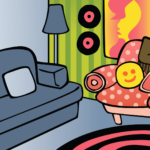
A light gray coffee table paired with a gray suede couch is the “millennial blueprint” of home decor. It attracts them with its simplicity and can create a cool, calm environment.

Warm, yellow lighting shining into a living room filled with various colorful pillows on a red couch can make a 20-year-old feel right at home.

Although millennials get hate for decorating dull, decorating our own spaces allows us to be authentic and creative. There’s never a “right” color swatch for your living room, or a certain couch color you have to have. Interior design is meant to be expressive and telling; each generation should be able to explore it.

opinion@thedailycougar.com

—
“The death of Millennial gray” was originally posted on The Cougar

Posted in UncategorizedComments Off on The death of Millennial gray