
Author Archives | Kelsey Williamson

The day my parents became people

Lily Huynh/The Cougar

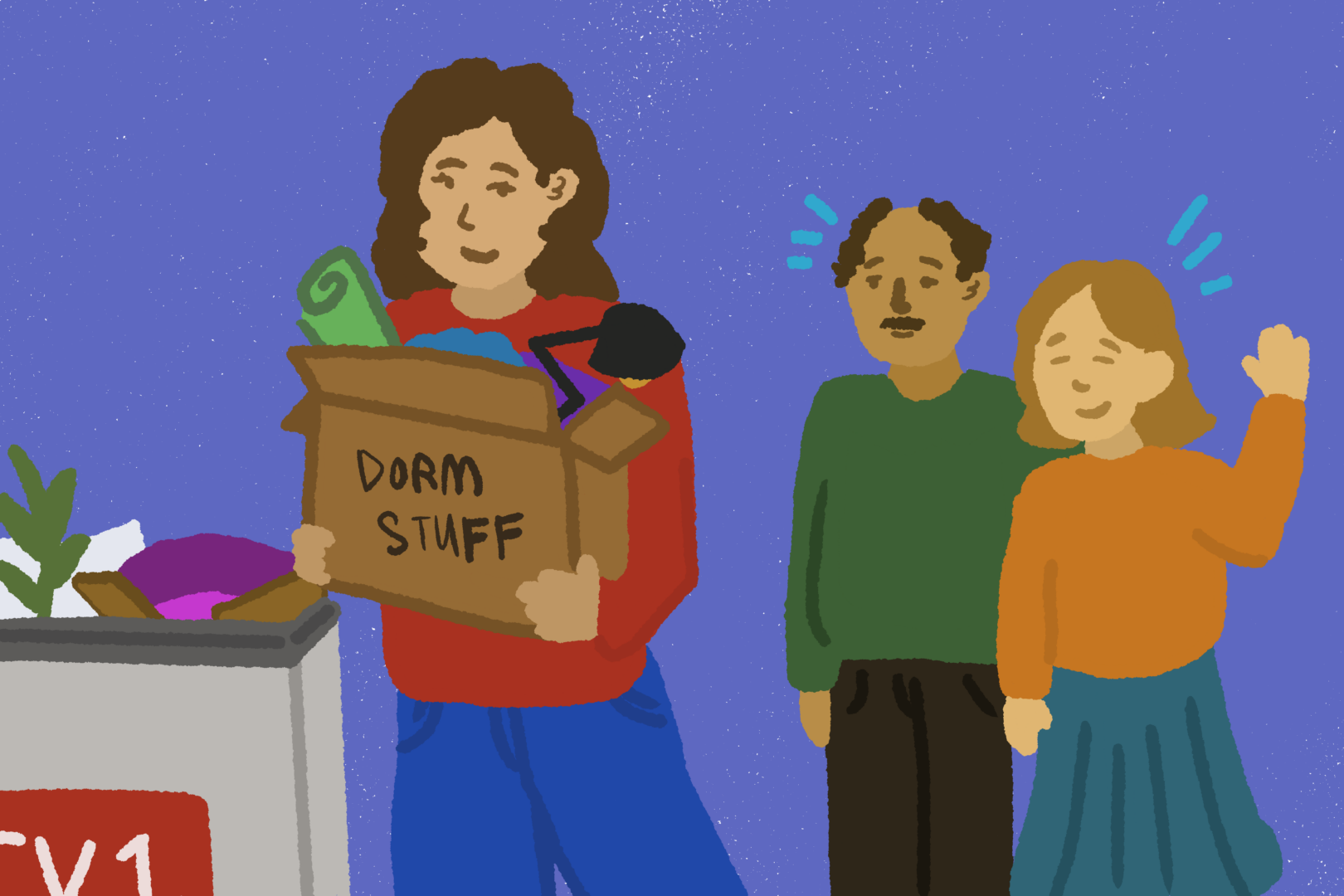
I remember moving into my dorm my freshman year and feeling a wave of independence. My parents dropped me off at Cougar Village 1 after helping me settle in all day. When they left, it felt like I was saying goodbye to relying on them. 

Being the youngest in a big family, it always seemed like I lacked some freedom. Although only thirty minutes from home, my first days at UH felt like I was entering adulthood and could finally do things for myself. 

As time went on, I found myself going through tough changes and experiencing the harsh realities of this grown-up life I had once craved. I had realized that I really missed having my parents at my side for everything. 

The little responsibilities weren’t as tough at first. Things like doing my own laundry, making my own meals and cleaning were responsibilities I was already used to. Having to buy things when I ran out of them or making the time to go to the store when I had loads of assignments due got a little harder. 

There was also a financial burden I experienced which really added even more stress on top of school. I was working a part-time job, but it felt like I wasn’t even making any money. 

I remember being home one weekend and complaining about all these things and my dad made a joke acting as if my student life wasn’t as hard as I was making it out to be. My first reaction was to think he didn’t understand, however I later realized the privilege I had compared to what my mom and dad were experiencing when they were in college. 

A different perspective

While I had been complaining about my one part-time job that I had mostly for leisure, when my dad was in college he was working multiple jobs to pay for all of his school and other necessities. My mom had a similar experience, but had also been struggling with heavy family issues. 

When I sat and thought about my college life compared to my parents’, it really hit me that they are humans too who had experienced the same struggles, if not worse, as me. I had only ever seen them as caregivers who lived to provide for me, but they are also people going through life as well. 

I think this change of perception I had is something that showed me what growing up really is. Every person in this world is experiencing a different concern. Parents, although at a different stage, are also experiencing life for the first time. 

It’s easy to have empathy for others when you don’t hold them at such a high standard. I never saw how much my parents sacrifice for me each day until I really saw them as people. I find myself struggling to navigate my education and future while my parents are probably struggling with their full-time jobs and future endeavors as well. All this anxiety and uncertainty is felt by them too. 

Another thing both students and parents experience is mistakes. Humans aren’t perfect and there is so much nuance to life that mistakes will be made. Each person has their own flaws and I think that when this can be accepted it makes the relationship with your parents a little easier. 

Growing together

Although I still rely on them for so much in my life, this shift in view has made me more independent. I see my parents responsibilities and life stories as a way to shape mine not only as my caregivers, but also as people with experiences I can learn from. 

College can be an extremely difficult thing to adjust to. There are constant changes and experiences that will be hard to get through. It’s also a time to learn and grow. With school, organizations, jobs and plans for the future it may seem impossible to navigate. However, experiences like these are life stages that shape us. 

For me, my parents played a huge role in shaping who I am today. I can credit that to the way they raised me, but as they are still shaping my life currently, I see them doing it as humans going through life as well. 

I know they see me as their daughter, and while they have always had respect for my accomplishments and even mistakes, I too have respect for their actions and support of my childhood and current education. 

Life is hard and different for everyone. As a student facing challenges, I know my parents will always be there to support me through them. I have had an easier time going through college compared to them, but that’s because of the sacrifices, energy and love they have given me throughout my upbringing. 

College has taught me many lessons so far, but the most transforming lesson has been that my parents are people too. I hold so much respect for what they have done in their lives and for what they have done for me. As I continue to grow into an adult and individual, I know that their support and own human experiences will guide me even further. 

Opinion@thedailycougar.com

—
“The day my parents became people” was originally posted on The Cougar

Posted in UncategorizedComments Off on The day my parents became people

The day my parents became people

Lily Huynh/The Cougar

I remember moving into my dorm my freshman year and feeling a wave of independence. My parents dropped me off at Cougar Village 1 after helping me settle in all day. When they left, it felt like I was saying goodbye to relying on them. 

Being the youngest in a big family, it always seemed like I lacked some freedom. Although only thirty minutes from home, my first days at UH felt like I was entering adulthood and could finally do things for myself. 

As time went on, I found myself going through tough changes and experiencing the harsh realities of this grown-up life I had once craved. I had realized that I really missed having my parents at my side for everything. 

The little responsibilities weren’t as tough at first. Things like doing my own laundry, making my own meals and cleaning were responsibilities I was already used to. Having to buy things when I ran out of them or making the time to go to the store when I had loads of assignments due got a little harder. 

There was also a financial burden I experienced which really added even more stress on top of school. I was working a part-time job, but it felt like I wasn’t even making any money. 

I remember being home one weekend and complaining about all these things and my dad made a joke acting as if my student life wasn’t as hard as I was making it out to be. My first reaction was to think he didn’t understand, however I later realized the privilege I had compared to what my mom and dad were experiencing when they were in college. 

A different perspective

While I had been complaining about my one part-time job that I had mostly for leisure, when my dad was in college he was working multiple jobs to pay for all of his school and other necessities. My mom had a similar experience, but had also been struggling with heavy family issues. 

When I sat and thought about my college life compared to my parents’, it really hit me that they are humans too who had experienced the same struggles, if not worse, as me. I had only ever seen them as caregivers who lived to provide for me, but they are also people going through life as well. 

I think this change of perception I had is something that showed me what growing up really is. Every person in this world is experiencing a different concern. Parents, although at a different stage, are also experiencing life for the first time. 

It’s easy to have empathy for others when you don’t hold them at such a high standard. I never saw how much my parents sacrifice for me each day until I really saw them as people. I find myself struggling to navigate my education and future while my parents are probably struggling with their full-time jobs and future endeavors as well. All this anxiety and uncertainty is felt by them too. 

Another thing both students and parents experience is mistakes. Humans aren’t perfect and there is so much nuance to life that mistakes will be made. Each person has their own flaws and I think that when this can be accepted it makes the relationship with your parents a little easier. 

Growing together

Although I still rely on them for so much in my life, this shift in view has made me more independent. I see my parents responsibilities and life stories as a way to shape mine not only as my caregivers, but also as people with experiences I can learn from. 

College can be an extremely difficult thing to adjust to. There are constant changes and experiences that will be hard to get through. It’s also a time to learn and grow. With school, organizations, jobs and plans for the future it may seem impossible to navigate. However, experiences like these are life stages that shape us. 

For me, my parents played a huge role in shaping who I am today. I can credit that to the way they raised me, but as they are still shaping my life currently, I see them doing it as humans going through life as well. 

I know they see me as their daughter, and while they have always had respect for my accomplishments and even mistakes, I too have respect for their actions and support of my childhood and current education. 

Life is hard and different for everyone. As a student facing challenges, I know my parents will always be there to support me through them. I have had an easier time going through college compared to them, but that’s because of the sacrifices, energy and love they have given me throughout my upbringing. 

College has taught me many lessons so far, but the most transforming lesson has been that my parents are people too. I hold so much respect for what they have done in their lives and for what they have done for me. As I continue to grow into an adult and individual, I know that their support and own human experiences will guide me even further. 

Opinion@thedailycougar.com

—
“The day my parents became people” was originally posted on The Cougar
Posted in UncategorizedComments Off on The day my parents became people

When college becomes content

Lily Huynh/The Cougar

Gen Z is known as the digital generation. We were raised with rapid technological advancements and are still seeing them take over today. With easy access to smartphones and evolving social media platforms, Gen Z knows how to navigate the internet and its trends. 

One of those trends, having an Instagram feed that is a carefully curated, aesthetic collection of photos of someone’s life is increasingly popular. Sure the trend seems cute and a little crafty, but it gets to a point where some people are making plans just to take photos. It makes people question if this fun life being presented is authentic or just a curated fantasy. 

For those of this generation in college, these trends can be seen everywhere. While social media has been a tool to network and make friends, the perfect feed has made the college experience feel performative rather than authentic. Are people living the supposed best years of their lives, or are they showing up for 20 minutes to snap a picture for their feed? 

Living for the camera

Big school events such as football games are a prime example of this. Game day culture is one of the most exciting things about college. Everyone getting together for tailgates, the football game and an overall good time is truly electrifying. 

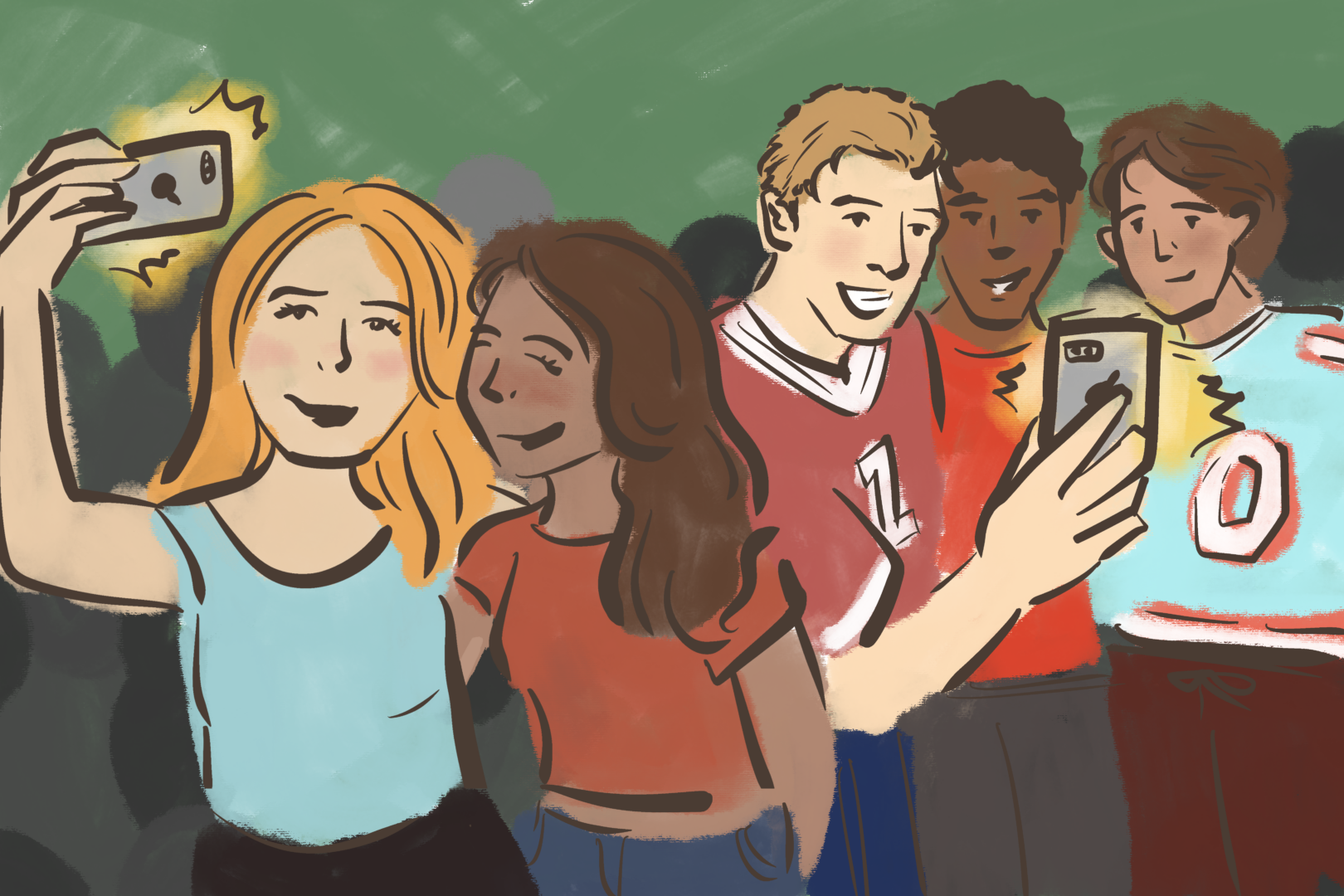
The photos that show students lined up in the stands or grouped in a tailgate tent represent this lively event. That fun could have been short-lived though because it was a perfectly planned photo session. 

It is understandable that people want to put together cute outfits and take pictures in their school colors. There is nothing wrong with documenting memories. The problem is when the photo becomes the purpose of the event.

Some students arrive, take a few pictures and leave before the game has really begun, missing the traditions, excitement and community that make college football memorable in the first place.

These behaviors take away from the authentic so-called college experience. Social media has turned it into a competition to see whose experience seems more fun and interesting. But that experience loses some of its authenticity when it’s measured by likes and views instead of how much fun someone actually had.

Not everything has to be programmed and shared on social media. There is nothing wrong with taking pictures of adventures to capture memories. But what memories are we creating if every moment is planned around how it will look online?

Living in the moment

These practices are making our college lives feel more curated than authentic. The last thing students should worry about is if their feed looks exciting to their followers. It should be about if they themselves are having fun at the moment. 

Everyone measures life differently. It could be through moments with others, stories or small everyday moments. It could also be through photos. These photos should have some type of memory to them. Staging moments does not make life more meaningful. 

College is an exhilarating life chapter. It is full of unforgettable moments that shouldn’t be taken for granted. Rather than focusing on getting the perfect photo, every moment should be filled with full presence. How else would one get the full college experience? 

Opinion@thedailycougar.com

—
“When college becomes content” was originally posted on The Cougar

Posted in UncategorizedComments Off on When college becomes content

In case you had Coachella FOMO

Hailey Nguyen/The Cougar

During the second and third weeks in April, music festival season opens up with the internet’s favorite event: Coachella Valley Music and Arts Festival. Located in the middle of the desert in Indio, California, Coachella manages to ignite interest worldwide. 

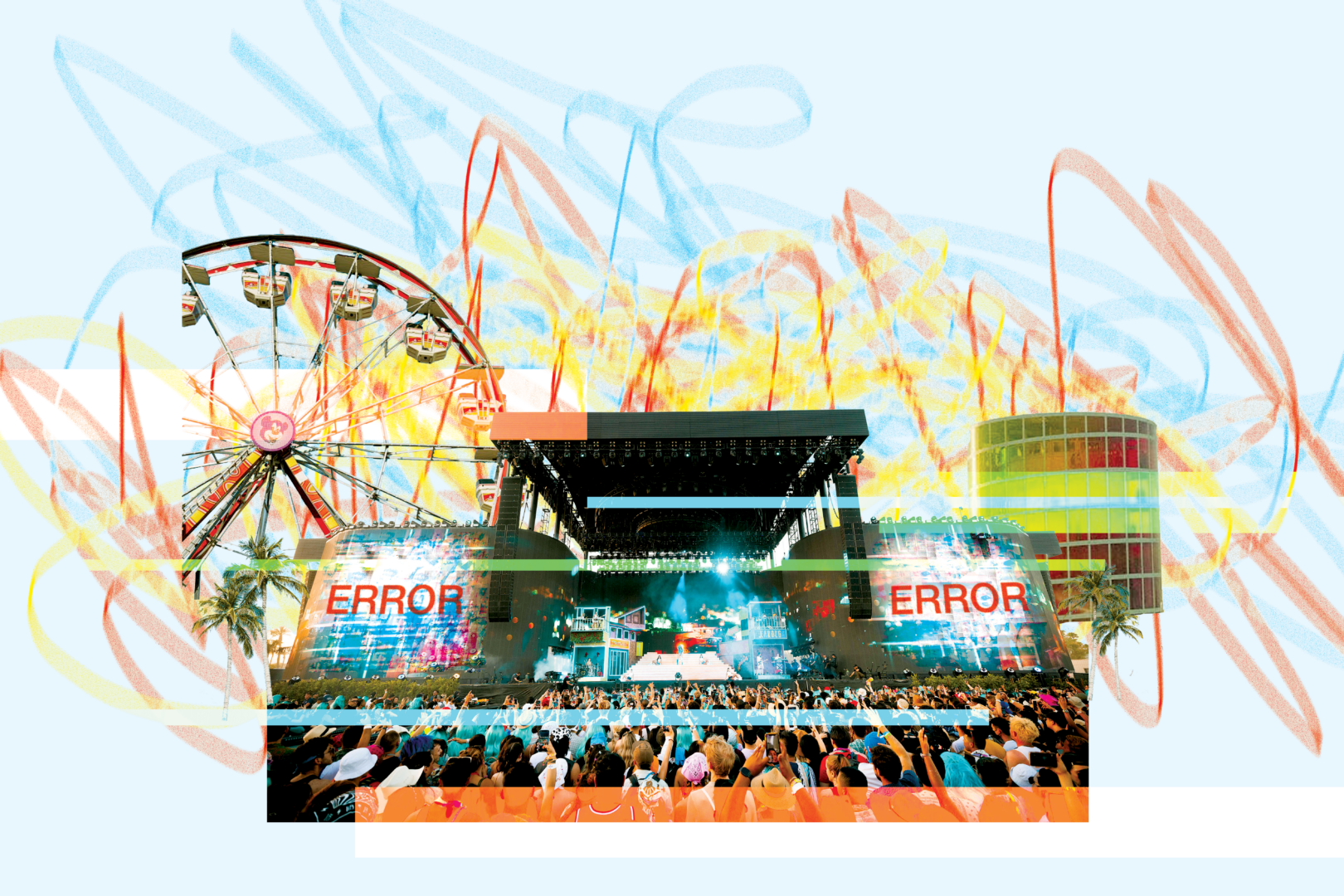
The festival lineup features artists from many genres, attracting people from all walks of life. Coachella is also known for the unique and interesting fashion choices festival-goers wear and for an aesthetic that is unrivaled among festivals. They also host art exhibitions that often feature vibrant colors and unusual elements or artistry, like the iconic rainbow tower and Ferris wheel. 

Coachella’s aesthetic is visually appealing and whimsical, which is why it gains so much traction each year. It brings music, art, fashion and culture together in one place for two weekends. But for a festival that prides itself on being a place for everyone to celebrate music and art, it now seems to be for only major brands, influencers and celebrities. 

There is so much media coverage for the festival that in weekend one alone, it earned $870 million in media impact value. Videos created by influencers or celebrities across major social media platforms caught everyone’s attention. But is it still entertainment, or has it become a marketing opportunity?

Bieberchella

The most talked-about videos from Coachella this year centered on Justin Bieber’s headlining performance. Since he hasn’t performed for a U.S. audience since his 2022 tour, the excitement surrounding his return was even greater. The moment was quickly dubbed “Bieberchella,” with fans online expressing envy of those who were able to experience it in person.

The most appealing part of his performance was his setlist, which featured many of his older hits, including “Baby,” “Beauty and a Beat” and “Never Say Never.” The set brought back Bieber Fever and a wave of nostalgia, especially for longtime fans at the festival and those watching from home, who felt they were reliving those moments.

Nostalgia took center stage when Sabrina Carpenter brought out Madonna as a surprise guest during her set. The queen of pop performed some of her biggest hits, including “Vogue” and “Like a Prayer.”

Aside from the headliners, Coachella is also filled with high-energy, iconic and stylish moments, making it easy to consume all this content and get caught up in the excitement. However, those nostalgic and envious feelings are coming through a screen, carefully curated to show only the best parts of the experience.

The reality of Coachella

In reality, Coachella is far less accessible for most people. Camping conditions can be difficult, with long lines for porta-potties, dirty showers, limited sleeping space in cars or small campsites and extremely expensive food and drinks. 

The glamorous parts of Coachella are mostly showcased by influencers or celebrities who were either sent by a brand deal or paid an insane amount for said accommodations. 

Beyond that, the cost of attending alone puts it out of reach for many. Between tickets, travel, outfits and accommodations, the total price quickly adds up. The festival has evolved into a brand-curated, influencer-driven spectacle that often hides the sweaty, expensive and chaotic reality experienced by the people in the background of those TikToks and Instagram posts.

Much of the traction and excitement around Coachella is also somewhat parasocial in nature. People consume the content and feel a sense of satisfaction, almost as if they are there themselves, even while many are struggling to earn a living wage. 

Coachella becomes another example of how easily society can be distracted by celebrity culture, pulling attention away from what is happening in the real world. As prices in the United States continue to rise, the obsession with a festival that has increasingly become accessible mainly to the wealthy only highlights that disconnect.

Coachella was originally created to give fans an amazing experience. It was one of a kind compared to other music festivals. The art displayed each year is supposed to be in some way connected to the environment and human interaction. It was supposed to be an experience attainable by everyone; however, it has gone too far out of touch. 

The incredible music performances and the exceptional art displays will probably never change at Coachella, but they are, sadly, becoming little more than marketing tools. The culture is slipping away. If brands continue to capitalize on it, Coachella will never be within reach for the average person. It will have to be consumed on a screen while the world falls apart around them. 

Opinion@thedailycougar.com

—
“In case you had Coachella FOMO” was originally posted on The Cougar
Posted in UncategorizedComments Off on In case you had Coachella FOMO

In case you had Coachella FOMO

Hailey Nguyen/The Cougar

During the second and third weeks in April, music festival season opens up with the internet’s favorite event: Coachella Valley Music and Arts Festival. Located in the middle of the desert in Indio, California, Coachella manages to ignite interest worldwide. 

The festival lineup features artists from many genres, attracting people from all walks of life. Coachella is also known for the unique and interesting fashion choices festival-goers wear and for an aesthetic that is unrivaled among festivals. They also host art exhibitions that often feature vibrant colors and unusual elements or artistry, like the iconic rainbow tower and Ferris wheel. 

Coachella’s aesthetic is visually appealing and whimsical, which is why it gains so much traction each year. It brings music, art, fashion and culture together in one place for two weekends. But for a festival that prides itself on being a place for everyone to celebrate music and art, it now seems to be for only major brands, influencers and celebrities. 

There is so much media coverage for the festival that in weekend one alone, it earned $870 million in media impact value. Videos created by influencers or celebrities across major social media platforms caught everyone’s attention. But is it still entertainment, or has it become a marketing opportunity?

Bieberchella

The most talked-about videos from Coachella this year centered on Justin Bieber’s headlining performance. Since he hasn’t performed for a U.S. audience since his 2022 tour, the excitement surrounding his return was even greater. The moment was quickly dubbed “Bieberchella,” with fans online expressing envy of those who were able to experience it in person.

The most appealing part of his performance was his setlist, which featured many of his older hits, including “Baby,” “Beauty and a Beat” and “Never Say Never.” The set brought back Bieber Fever and a wave of nostalgia, especially for longtime fans at the festival and those watching from home, who felt they were reliving those moments.

Nostalgia took center stage when Sabrina Carpenter brought out Madonna as a surprise guest during her set. The queen of pop performed some of her biggest hits, including “Vogue” and “Like a Prayer.”

Aside from the headliners, Coachella is also filled with high-energy, iconic and stylish moments, making it easy to consume all this content and get caught up in the excitement. However, those nostalgic and envious feelings are coming through a screen, carefully curated to show only the best parts of the experience.

The reality of Coachella

In reality, Coachella is far less accessible for most people. Camping conditions can be difficult, with long lines for porta-potties, dirty showers, limited sleeping space in cars or small campsites and extremely expensive food and drinks. 

The glamorous parts of Coachella are mostly showcased by influencers or celebrities who were either sent by a brand deal or paid an insane amount for said accommodations. 

Beyond that, the cost of attending alone puts it out of reach for many. Between tickets, travel, outfits and accommodations, the total price quickly adds up. The festival has evolved into a brand-curated, influencer-driven spectacle that often hides the sweaty, expensive and chaotic reality experienced by the people in the background of those TikToks and Instagram posts.

Much of the traction and excitement around Coachella is also somewhat parasocial in nature. People consume the content and feel a sense of satisfaction, almost as if they are there themselves, even while many are struggling to earn a living wage. 

Coachella becomes another example of how easily society can be distracted by celebrity culture, pulling attention away from what is happening in the real world. As prices in the United States continue to rise, the obsession with a festival that has increasingly become accessible mainly to the wealthy only highlights that disconnect.

Coachella was originally created to give fans an amazing experience. It was one of a kind compared to other music festivals. The art displayed each year is supposed to be in some way connected to the environment and human interaction. It was supposed to be an experience attainable by everyone; however, it has gone too far out of touch. 

The incredible music performances and the exceptional art displays will probably never change at Coachella, but they are, sadly, becoming little more than marketing tools. The culture is slipping away. If brands continue to capitalize on it, Coachella will never be within reach for the average person. It will have to be consumed on a screen while the world falls apart around them. 

Opinion@thedailycougar.com

—
“In case you had Coachella FOMO” was originally posted on The Cougar

Posted in UncategorizedComments Off on In case you had Coachella FOMO