

Author Archives | Kelsey Williamson

When limiting federal aid becomes a control tactic

Isabel Bustos/The Cougar

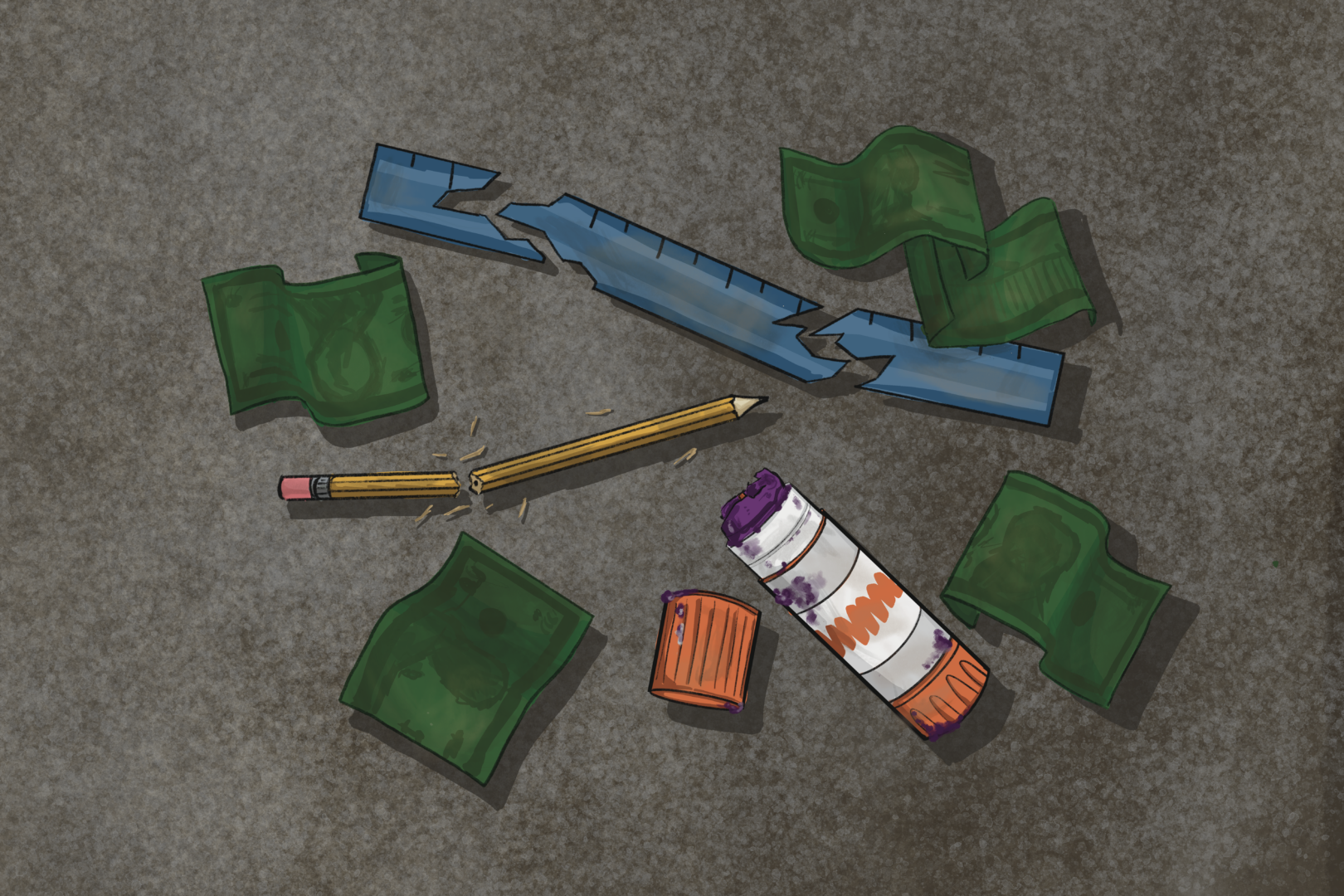
Throughout history, limiting education has been a way for those in power to control people. If someone wasn’t educated, they wouldn’t have the knowledge or resources to resist authority. 

This tactic is still used in some places across the globe. Luckily, in the United States, it isn’t seen much anymore due to free education for all from kindergarten to 12th grade. 

For higher education, though, it is not guaranteed to be free.

College and graduate programs are quite pricey and financially inaccessible for many students. To combat this issue, federal aid is offered in certain circumstances to provide equal opportunity and invest in the nation’s future. 

Changes to Federal Aid

Recently, due to changes under President Trump’s One Big Beautiful Bill Act, federal aid reserved for higher education isn’t as accessible as it once was. 

Among these changes, new graduate students are no longer eligible for the Direct PLUS loans. 

These loans are extremely important. Even though students still have to repay what they borrow, federal loans provide protections and repayment options while private loans do not.

Providing these funds benefits more than just the student. 

Higher education is an investment in one’s future. Degrees help build change and stimulate growth both in one’s earnings and the overall economy. 

Additionally, federal loan limits are affected by enrollment status. Students not enrolled full-time at a university have their loan limits adjusted to match the number of hours they take. 

In a lot of cases, students don’t take enough credit hours to be full-time because they can’t afford to. There are circumstances where students have to work long hours, limiting them from being full-time students.

For graduate programs, some degrees are needed to reach a professional goal or even required for specific jobs. 

How is one able to achieve their dreams if they can’t afford to do so and have no assistance available? 

Learning from history

Limiting financial aid is not only detrimental to accessible education and the nation’s long-term future, but it also brings up past mistakes. 

The United States has a history of limiting education to control certain groups. 

During slavery, Black Americans were deprived of many forms of education. Even after it ended, segregated schools were often extremely underfunded. Women also faced education restrictions throughout U.S. history and weren’t offered the same education as men.

These times were so long ago, though, right? 

These were mistakes we were supposed to learn from and continue to improve on. They shouldn’t be patterns we see start back up again. 

Looking Ahead

These changes may seem minor in a huge system, but starting small can lead to bigger adjustments in the future. 

If restrictions like these are happening now, limiting education and financial aid could risk becoming a control tactic in the future. 

Literacy rates are already down, books are being banned and now federal aid options are being lowered. This can impede students’ ability to grow into critical thinkers. If someone isn’t educated, they are easier to control. 

As time goes on, we are supposed to learn from our mistakes, not repeat them. 

The United States strives in so many fields; why can’t education be one of them? 

opinion@thedailycougar.com

—
“When limiting federal aid becomes a control tactic” was originally posted on The Cougar

Posted in UncategorizedComments Off on When limiting federal aid becomes a control tactic

When limiting federal aid becomes a control tactic

Isabel Bustos/The Cougar

Throughout history, limiting education has been a way for those in power to control people. If someone wasn’t educated, they wouldn’t have the knowledge or resources to resist authority. 

This tactic is still used in some places across the globe. Luckily, in the United States, it isn’t seen much anymore due to free education for all from kindergarten to 12th grade. 

For higher education, though, it is not guaranteed to be free.

College and graduate programs are quite pricey and financially inaccessible for many students. To combat this issue, federal aid is offered in certain circumstances to provide equal opportunity and invest in the nation’s future. 

Changes to Federal Aid

Recently, due to changes under President Trump’s One Big Beautiful Bill Act, federal aid reserved for higher education isn’t as accessible as it once was. 

Among these changes, new graduate students are no longer eligible for the Direct PLUS loans. 

These loans are extremely important. Even though students still have to repay what they borrow, federal loans provide protections and repayment options while private loans do not.

Providing these funds benefits more than just the student. 

Higher education is an investment in one’s future. Degrees help build change and stimulate growth both in one’s earnings and the overall economy. 

Additionally, federal loan limits are affected by enrollment status. Students not enrolled full-time at a university have their loan limits adjusted to match the number of hours they take. 

In a lot of cases, students don’t take enough credit hours to be full-time because they can’t afford to. There are circumstances where students have to work long hours, limiting them from being full-time students.

For graduate programs, some degrees are needed to reach a professional goal or even required for specific jobs. 

How is one able to achieve their dreams if they can’t afford to do so and have no assistance available? 

Learning from history

Limiting financial aid is not only detrimental to accessible education and the nation’s long-term future, but it also brings up past mistakes. 

The United States has a history of limiting education to control certain groups. 

During slavery, Black Americans were deprived of many forms of education. Even after it ended, segregated schools were often extremely underfunded. Women also faced education restrictions throughout U.S. history and weren’t offered the same education as men.

These times were so long ago, though, right? 

These were mistakes we were supposed to learn from and continue to improve on. They shouldn’t be patterns we see start back up again. 

Looking Ahead

These changes may seem minor in a huge system, but starting small can lead to bigger adjustments in the future. 

If restrictions like these are happening now, limiting education and financial aid could risk becoming a control tactic in the future. 

Literacy rates are already down, books are being banned and now federal aid options are being lowered. This can impede students’ ability to grow into critical thinkers. If someone isn’t educated, they are easier to control. 

As time goes on, we are supposed to learn from our mistakes, not repeat them. 

The United States strives in so many fields; why can’t education be one of them? 

opinion@thedailycougar.com

—
“When limiting federal aid becomes a control tactic” was originally posted on The Cougar
Posted in UncategorizedComments Off on When limiting federal aid becomes a control tactic

When limiting federal aid becomes a control tactic

Isabel Bustos/The Cougar

Throughout history, limiting education has been a way for those in power to control people. If someone wasn’t educated, they wouldn’t have the knowledge or resources to resist authority. 

This tactic is still used in some places across the globe. Luckily, in the United States, it isn’t seen much anymore due to free education for all from kindergarten to 12th grade. 

For higher education, though, it is not guaranteed to be free.

College and graduate programs are quite pricey and financially inaccessible for many students. To combat this issue, federal aid is offered in certain circumstances to provide equal opportunity and invest in the nation’s future. 

Changes to Federal Aid

Recently, due to changes under President Trump’s One Big Beautiful Bill Act, federal aid reserved for higher education isn’t as accessible as it once was. 

Among these changes, new graduate students are no longer eligible for the Direct PLUS loans. 

These loans are extremely important. Even though students still have to repay what they borrow, federal loans provide protections and repayment options while private loans do not.

Providing these funds benefits more than just the student. 

Higher education is an investment in one’s future. Degrees help build change and stimulate growth both in one’s earnings and the overall economy. 

Additionally, federal loan limits are affected by enrollment status. Students not enrolled full-time at a university have their loan limits adjusted to match the number of hours they take. 

In a lot of cases, students don’t take enough credit hours to be full-time because they can’t afford to. There are circumstances where students have to work long hours, limiting them from being full-time students.

For graduate programs, some degrees are needed to reach a professional goal or even required for specific jobs. 

How is one able to achieve their dreams if they can’t afford to do so and have no assistance available? 

Learning from history

Limiting financial aid is not only detrimental to accessible education and the nation’s long-term future, but it also brings up past mistakes. 

The United States has a history of limiting education to control certain groups. 

During slavery, Black Americans were deprived of many forms of education. Even after it ended, segregated schools were often extremely underfunded. Women also faced education restrictions throughout U.S. history and weren’t offered the same education as men.

These times were so long ago, though, right? 

These were mistakes we were supposed to learn from and continue to improve on. They shouldn’t be patterns we see start back up again. 

Looking Ahead

These changes may seem minor in a huge system, but starting small can lead to bigger adjustments in the future. 

If restrictions like these are happening now, limiting education and financial aid could risk becoming a control tactic in the future. 

Literacy rates are already down, books are being banned and now federal aid options are being lowered. This can impede students’ ability to grow into critical thinkers. If someone isn’t educated, they are easier to control. 

As time goes on, we are supposed to learn from our mistakes, not repeat them. 

The United States strives in so many fields; why can’t education be one of them? 

opinion@thedailycougar.com

—
“When limiting federal aid becomes a control tactic” was originally posted on The Cougar

Posted in UncategorizedComments Off on When limiting federal aid becomes a control tactic

Domestic Violence Awareness Month should not be overlooked

Nina To/The Cougar

Domestic violence is an issue that can oftentimes be overlooked. It is a very nuanced problem that not everyone can fully understand. It’s one of those things when heard about, there’s sympathy but little action or thought. 

With October being Domestic Violence Awareness Month, it becomes apparent that this information often goes overlooked due to a lack of understanding on the many different factors of domestic violence. 

More than just physical harm

The most common misconception is that domestic violence is only associated with physical harm. Although this is definitely a traumatic and serious part of it, this isn’t the only form of abuse. 

Many victims experience abusive behaviors that aren’t physical harm or assault. Psychological control over another is something that perpetuates toxic and violent relationships. 

Oftentimes, it is emotional harm that can lead to a destructive cycle of abuse. Someone maintaining power over another causes victims to feel trapped, making it hard to break the cycle. 

Exerting power over another can be things like isolation, intimidation, making threats and gaslighting someone. These types of things mess with a person’s mind. 

Physical harm can leave damage on someone’s body, but emotional, economic, cultural and ritual abuse can bruise someone’s brain. Victims will start to lose touch with themselves and reality, an exploitation that can completely change their lives. 

Domestic violence does not dwindle down to one form of harm. 

It is an extremely nuanced problem that needs to be addressed. Spreading awareness and helping those in need starts with not overlooking all the factors that contribute to domestic violence. 

It is an ongoing issue that affects too many people worldwide. About 35.6% of women and about 28.5% of men experience some sort of domestic abuse. Unfortunately, it is hard to eliminate these numbers. But people can become educated on the topic, so they can recognize the signs and save the people around them. 

Leaving is not that simple

One of the biggest complexities in domestic violence cases is leaving the relationship. 

Due to the systematic power being held over a victim, leaving can sometimes not feel like an option for some. They could be trapped due to financial or family reasons, or they can feel that leaving is more life-threatening than staying in the relationship. 

It is such a hard thing that, for most, it can take multiple attempts before someone can leave for good. 

Knowing the signs and patterns of domestic violence will help encourage more victims to break away from these relationships.

Ending the silence around the topic is something that needs to be done. 

While Domestic Violence Awareness Month is recognized, there is still room for much more action. There are local women’s shelters and domestic violence shelters that offer resources and aid to victims and education to the public. 

There is never a cap on how much awareness can be spread. Domestic violence often goes overlooked due to a lack of information and education. 

This cannot be a neglected problem. It is not hard to learn about the nuances of abusive relationships. But to make a difference, the silence must be broken, and the issue can no longer be overlooked. 

opinion@thedailycougar.com

—
“Domestic Violence Awareness Month should not be overlooked” was originally posted on The Cougar

Posted in UncategorizedComments Off on Domestic Violence Awareness Month should not be overlooked