
Author Archives | Jenna Guiher

Concert review: The Lumineers celebrate ‘Automatic’ in Atlanta

The year is 2025 and the golden years of stomp-and-holler folk rock are long gone. Except, no one told the Lumineers that. With the new resurgence of the pop-folk genre through artists like Noah Kahan and Mt. Joy, as well as the recent return of Mumford & Sons, it felt only right for the Lumineers to join the movement themselves with their fifth studio album “Automatic,” released February of this year.

The Lumineers, founded by Wesley Schultz and Jeremiah Fraites in 2005, were one of the most (if not the most) prolific and vital artists in the original folk rock upswing back in the early 2010s. They broke into the mainstream with their debut single “Ho Hey” and subsequent songs off of their self-titled record in 2012. Since then, they have continued to be a nostalgic cornerstone for their fans, releasing new music and touring periodically.

Following the release of “Automatic,” the Lumineers embarked on a massive world tour that will span five continents in 2025 and 2026. These dates include an Oct. 4 show in Atlanta’s State Farm Arena, where thousands of adoring fans flocked to the venue, dressed in long, flowing skirts and braided flower crowns (referencing the track “Flowers In Your Hair”). 

Fellow folk-inspired musician Chance Peña opened the show, and he delivered a beautiful performance, showcasing his widely appreciated discography. He played his biggest songs like “In My Room” and “i am not who i was,” which were hits with the audience. In a particularly emotional moment during his set, he talked about seeing the Lumineers as a kid which had inspired him to make music; he concluded by expressing what a dream it was to be sharing the stage with his idols. 

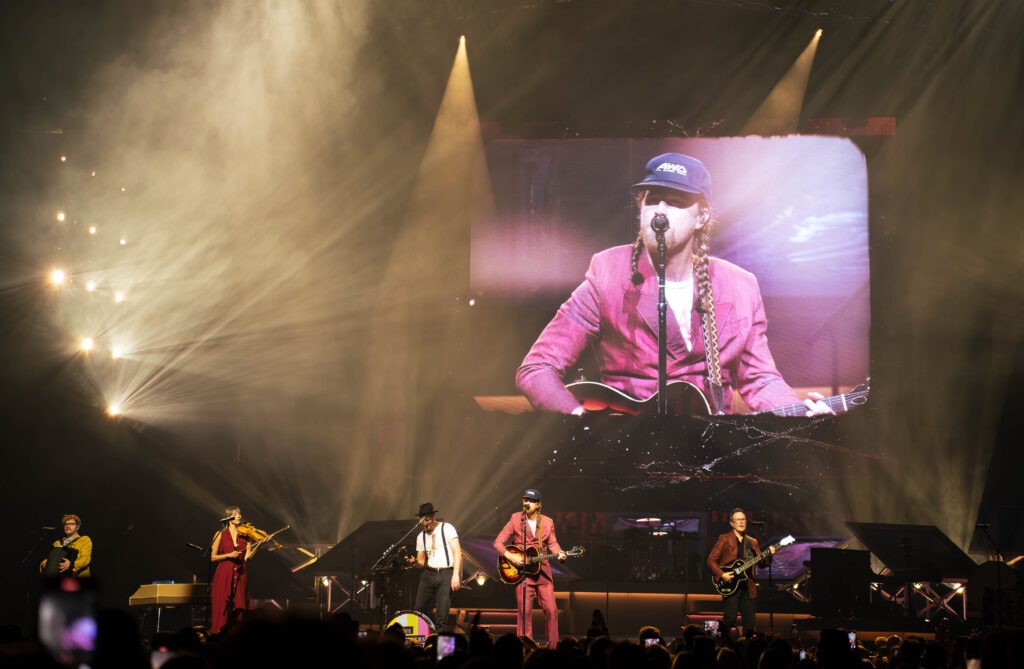
The Lumineers took to the stage after that, bringing the whole arena to their feet with the opening chords of “Same Old Song,” a new track off of “Automatic.” Immediately, the band’s musicality became the main focus of the night, with the seven members’ immense talent on show. They acted as though they were friends playing music around a campfire, rather than on stage at State Farm Arena.

Further contributing to this child-like atmosphere was Schultz’s venture into the audience during “BRIGHTSIDE.” He weaved in and out of aisles of fans, leaving them slack-jawed in awe and giddy with excitement. It truly felt as though Schultz was coming down to the audience’s level and bringing them along on the emotional highs and lows of the song.

After the first stretch of songs, the energy really took off in the venue during “Gloria” when confetti shot out of cannons and rained down upon the entire arena. The song itself is about a woman’s struggle with alcoholism and dealing with the day-to-day tasks of motherhood. Between the shimmering confetti and dramatic bum-bum-bum of the drums, the song was a standout from the night.

Later on, the band played fan-favorite “Ophelia.” During the song, Schultz and multi-instrumentalist band member Stelth Ulvang effortlessly passed a tambourine soaring into the air back and forth. The entire venue chorused the refrain together: “Oh, Ophelia / You’ve been on my mind, girl, since the flood / Oh, Ophelia / Heaven help the fool who falls in love.” While many danced and threw their fists in the air, the fans having the most fun were perhaps the pair of young girls at the back of the venue twirling each other and singing along wildly.

The fun, jig-like fervor of “Big Parade” melted into a cover of “New York State of Mind” by Billy Joel, which was dedicated to Schultz’s brother who passed away just a few months ago. The venue empathized with the singer, pulling out their phone flashlights and swaying them in a show of unity.

Without stopping for an encore, the Lumineers leapt into their two last, and perhaps most anticipated, songs of the night: “Cleopatra” and “Stubborn Love.” True to the genre’s name, the audience stomped and hollered the lyrics of the beloved songs. Particularly, the lyric “It’s better to feel pain, than nothing at all” seemed to strike a chord with the audience.

As the final notes of “Stubborn Love” rang throughout the arena, the Lumineers’ lasting musical importance became clear. They proved that the folk rock genre is just as innovative and exciting as it was 15 years ago, and their music retains the emotional depth and communal feel, inspiring catharsis with each stomp and holler.

The Lumineers are continuing on tour until June 2026, and their new album “Automatic” is available to listen on all streaming services.

The post Concert review: The Lumineers celebrate ‘Automatic’ in Atlanta appeared first on Technique.
Posted in UncategorizedComments Off on Concert review: The Lumineers celebrate ‘Automatic’ in Atlanta

Concert review: The Lumineers celebrate ‘Automatic’ in Atlanta

The year is 2025 and the golden years of stomp-and-holler folk rock are long gone. Except, no one told the Lumineers that. With the new resurgence of the pop-folk genre through artists like Noah Kahan and Mt. Joy, as well as the recent return of Mumford & Sons, it felt only right for the Lumineers to join the movement themselves with their fifth studio album “Automatic,” released February of this year.

The Lumineers, founded by Wesley Schultz and Jeremiah Fraites in 2005, were one of the most (if not the most) prolific and vital artists in the original folk rock upswing back in the early 2010s. They broke into the mainstream with their debut single “Ho Hey” and subsequent songs off of their self-titled record in 2012. Since then, they have continued to be a nostalgic cornerstone for their fans, releasing new music and touring periodically.

Following the release of “Automatic,” the Lumineers embarked on a massive world tour that will span five continents in 2025 and 2026. These dates include an Oct. 4 show in Atlanta’s State Farm Arena, where thousands of adoring fans flocked to the venue, dressed in long, flowing skirts and braided flower crowns (referencing the track “Flowers In Your Hair”). 

Fellow folk-inspired musician Chance Peña opened the show, and he delivered a beautiful performance, showcasing his widely appreciated discography. He played his biggest songs like “In My Room” and “i am not who i was,” which were hits with the audience. In a particularly emotional moment during his set, he talked about seeing the Lumineers as a kid which had inspired him to make music; he concluded by expressing what a dream it was to be sharing the stage with his idols. 

The Lumineers took to the stage after that, bringing the whole arena to their feet with the opening chords of “Same Old Song,” a new track off of “Automatic.” Immediately, the band’s musicality became the main focus of the night, with the seven members’ immense talent on show. They acted as though they were friends playing music around a campfire, rather than on stage at State Farm Arena.

Further contributing to this child-like atmosphere was Schultz’s venture into the audience during “BRIGHTSIDE.” He weaved in and out of aisles of fans, leaving them slack-jawed in awe and giddy with excitement. It truly felt as though Schultz was coming down to the audience’s level and bringing them along on the emotional highs and lows of the song.

After the first stretch of songs, the energy really took off in the venue during “Gloria” when confetti shot out of cannons and rained down upon the entire arena. The song itself is about a woman’s struggle with alcoholism and dealing with the day-to-day tasks of motherhood. Between the shimmering confetti and dramatic bum-bum-bum of the drums, the song was a standout from the night.

Later on, the band played fan-favorite “Ophelia.” During the song, Schultz and multi-instrumentalist band member Stelth Ulvang effortlessly passed a tambourine soaring into the air back and forth. The entire venue chorused the refrain together: “Oh, Ophelia / You’ve been on my mind, girl, since the flood / Oh, Ophelia / Heaven help the fool who falls in love.” While many danced and threw their fists in the air, the fans having the most fun were perhaps the pair of young girls at the back of the venue twirling each other and singing along wildly.

The fun, jig-like fervor of “Big Parade” melted into a cover of “New York State of Mind” by Billy Joel, which was dedicated to Schultz’s brother who passed away just a few months ago. The venue empathized with the singer, pulling out their phone flashlights and swaying them in a show of unity.

Without stopping for an encore, the Lumineers leapt into their two last, and perhaps most anticipated, songs of the night: “Cleopatra” and “Stubborn Love.” True to the genre’s name, the audience stomped and hollered the lyrics of the beloved songs. Particularly, the lyric “It’s better to feel pain, than nothing at all” seemed to strike a chord with the audience.

As the final notes of “Stubborn Love” rang throughout the arena, the Lumineers’ lasting musical importance became clear. They proved that the folk rock genre is just as innovative and exciting as it was 15 years ago, and their music retains the emotional depth and communal feel, inspiring catharsis with each stomp and holler.

The Lumineers are continuing on tour until June 2026, and their new album “Automatic” is available to listen on all streaming services.

The post Concert review: The Lumineers celebrate ‘Automatic’ in Atlanta appeared first on Technique.
Posted in UncategorizedComments Off on Concert review: The Lumineers celebrate ‘Automatic’ in Atlanta

Concert review: The Lumineers celebrate ‘Automatic’ in Atlanta

The year is 2025 and the golden years of stomp-and-holler folk rock are long gone. Except, no one told the Lumineers that. With the new resurgence of the pop-folk genre through artists like Noah Kahan and Mt. Joy, as well as the recent return of Mumford & Sons, it felt only right for the Lumineers to join the movement themselves with their fifth studio album “Automatic,” released February of this year.

The Lumineers, founded by Wesley Schultz and Jeremiah Fraites in 2005, were one of the most (if not the most) prolific and vital artists in the original folk rock upswing back in the early 2010s. They broke into the mainstream with their debut single “Ho Hey” and subsequent songs off of their self-titled record in 2012. Since then, they have continued to be a nostalgic cornerstone for their fans, releasing new music and touring periodically.

Following the release of “Automatic,” the Lumineers embarked on a massive world tour that will span five continents in 2025 and 2026. These dates include an Oct. 4 show in Atlanta’s State Farm Arena, where thousands of adoring fans flocked to the venue, dressed in long, flowing skirts and braided flower crowns (referencing the track “Flowers In Your Hair”). 

Fellow folk-inspired musician Chance Peña opened the show, and he delivered a beautiful performance, showcasing his widely appreciated discography. He played his biggest songs like “In My Room” and “i am not who i was,” which were hits with the audience. In a particularly emotional moment during his set, he talked about seeing the Lumineers as a kid which had inspired him to make music; he concluded by expressing what a dream it was to be sharing the stage with his idols. 

The Lumineers took to the stage after that, bringing the whole arena to their feet with the opening chords of “Same Old Song,” a new track off of “Automatic.” Immediately, the band’s musicality became the main focus of the night, with the seven members’ immense talent on show. They acted as though they were friends playing music around a campfire, rather than on stage at State Farm Arena.

Further contributing to this child-like atmosphere was Schultz’s venture into the audience during “BRIGHTSIDE.” He weaved in and out of aisles of fans, leaving them slack-jawed in awe and giddy with excitement. It truly felt as though Schultz was coming down to the audience’s level and bringing them along on the emotional highs and lows of the song.

After the first stretch of songs, the energy really took off in the venue during “Gloria” when confetti shot out of cannons and rained down upon the entire arena. The song itself is about a woman’s struggle with alcoholism and dealing with the day-to-day tasks of motherhood. Between the shimmering confetti and dramatic bum-bum-bum of the drums, the song was a standout from the night.

Later on, the band played fan-favorite “Ophelia.” During the song, Schultz and multi-instrumentalist band member Stelth Ulvang effortlessly passed a tambourine soaring into the air back and forth. The entire venue chorused the refrain together: “Oh, Ophelia / You’ve been on my mind, girl, since the flood / Oh, Ophelia / Heaven help the fool who falls in love.” While many danced and threw their fists in the air, the fans having the most fun were perhaps the pair of young girls at the back of the venue twirling each other and singing along wildly.

The fun, jig-like fervor of “Big Parade” melted into a cover of “New York State of Mind” by Billy Joel, which was dedicated to Schultz’s brother who passed away just a few months ago. The venue empathized with the singer, pulling out their phone flashlights and swaying them in a show of unity.

Without stopping for an encore, the Lumineers leapt into their two last, and perhaps most anticipated, songs of the night: “Cleopatra” and “Stubborn Love.” True to the genre’s name, the audience stomped and hollered the lyrics of the beloved songs. Particularly, the lyric “It’s better to feel pain, than nothing at all” seemed to strike a chord with the audience.

As the final notes of “Stubborn Love” rang throughout the arena, the Lumineers’ lasting musical importance became clear. They proved that the folk rock genre is just as innovative and exciting as it was 15 years ago, and their music retains the emotional depth and communal feel, inspiring catharsis with each stomp and holler.

The Lumineers are continuing on tour until June 2026, and their new album “Automatic” is available to listen on all streaming services.

The post Concert review: The Lumineers celebrate ‘Automatic’ in Atlanta appeared first on Technique.

Posted in UncategorizedComments Off on Concert review: The Lumineers celebrate ‘Automatic’ in Atlanta

Shaky Knees Day 3 closes out weekend of music

The final day of Shaky Knees 2025 carried a bittersweet energy that came with the end of the festival weekend. Despite this, thousands of people flocked to Piedmont Park once again to make the most out of the weekend’s last hurrah and catch the many exciting acts slated on Sunday. 

From when the gates opened Sunday morning to Blink-182’s closing fireworks, fans packed in for one last marathon of friends, food and, of course, fantastic music. Sunday especially had shows for every flavor of rock fan whether festival-goers were looking to catch indie anthems from Lucy Dacus and Vampire Weekend or a head-banging hard rock set from Devo and Teen Mortgage. 


Sounds from Sunday

Local acoustic-rock quartet Improvement Movement was the first act to rock the Peachtree stage on Sunday. On new pieces like “My Team” and “The Knife,” the band layers a funky baseline over a fast-paced drum beat — the perfect songs to set the mood for the day. Each member of the band has outstanding vocal talent, and when they harmonized, the sum sounded even greater than its parts. Their harmonies during “On the Bus” reveal their dad rock influence with its acoustic melody and layered harmonies reminiscent of a young Crosby, Stills, Nash and Young. Fans can catch them when they return for a hometown show at Terminal West on Dec. 20. 

Early in the day on the Piedmont Stage was Welsh indie rock group Stereophonics. The group has been releasing music for nearly 30 years, and they’re known all over the world for their belting vocal style and emotional lyrics that have resonated with listeners for decades. They played hits from their discography including “Maybe Tomorrow” and “Have A Nice Day,” and they ended their set with the smashing “Dakota,” perhaps their most iconic song with almost 300 million streams on Spotify.

The next to take the Peachtree stage were The Stews, another semi-local band rapidly gaining popularity for college-rock sound and electrifying guitar solos. From acoustic ballads to their fast-paced soon-to-be rock anthems, the band seem to effortlessly riff off of each melody, making the whole set feel like a continuous jam session. It was clear why the band’s live audience is growing. 

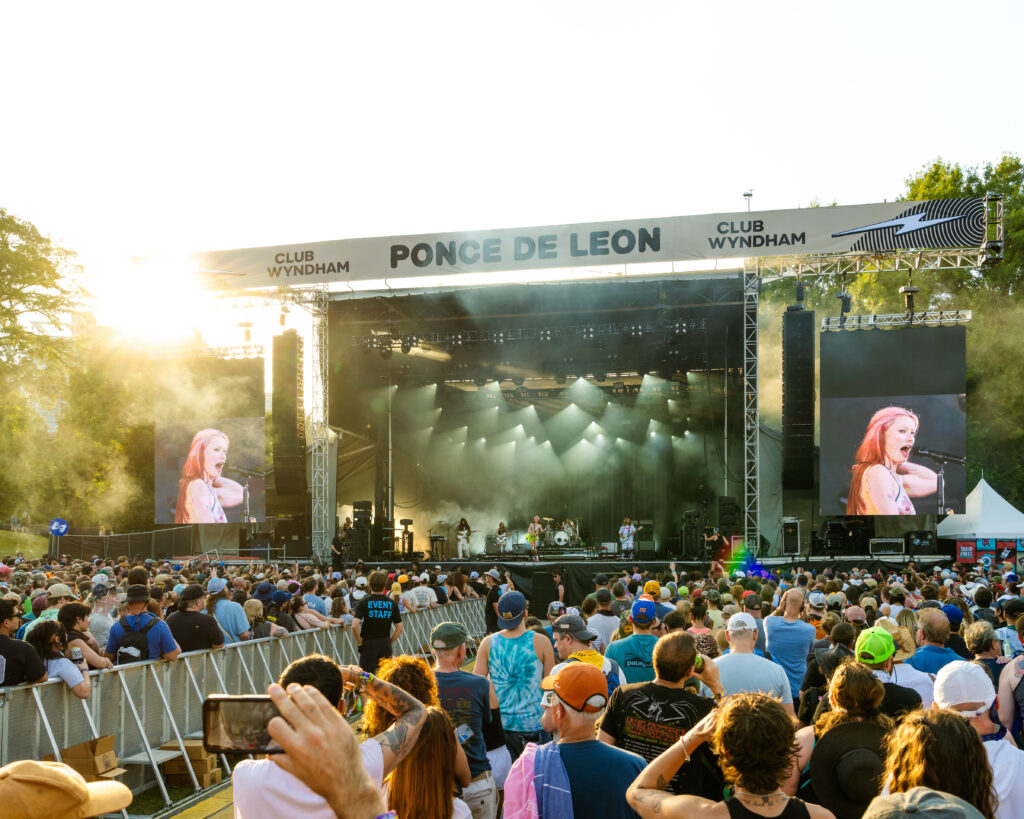
One of the most exciting rock bands of this decade is Wet Leg, who played on the Ponce De Leon stage in the early evening. The duo is fresh off of the release of their sophomore album “moisturizer,” and they played many songs off the new record. They also graced the huge crowd with some of their past hits like “Wet Dream” and “Chaise Longue.” The latter was a particularly fun moment for the audience as they did a call-and-answer with singer Rhian Teasdale. “Excuse me!” Teasdale yelled; “What?” the crowd answered.

Overall, the festival was a roaring success, even with the many changes this year. The time switch from May to September and the location change from Central Park to Piedmont Park seemed to have paid off and left both new and old patrons of the festival happy with the shifts.

In an interview at the festival, Zach Broussard, third-year ChemE, said, “[At Piedmont Park] there’s a lot more space and room to breathe. You can sit in the back on the hill or you can go right up to the stage… I really like the environment here.”

By pairing a new date and environment with signature Shaky Knees magic, the festival pulled off a grand weekend of memorable performances and unbridled fun. The event’s undeniable success proved yet again the significance of Shaky Knees on Atlanta’s deep-rooted musical culture.

The post Shaky Knees Day 3 closes out weekend of music appeared first on Technique.

Posted in UncategorizedComments Off on Shaky Knees Day 3 closes out weekend of music

Singer-songwriter Jake Minch performs sold-out show in Atlanta

If you were to take folk-flavored indie music and layer it with the angst that only a singer-songwriter could procure, you would be left with Jake Minch. The Connecticut native makes music for those who feel misunderstood and find solace in deep, emotional lyricism and simple melodies. He performed for a sold-out crowd at Center Stage Vinyl last Wednesday, serenading the venue with the poignant tunes off of his latest album “George.”

“George,” Minch’s debut record, was released just this last July to great fan reception. He says the album is “about being a martyr with nothing to die for and needing to f*** up some great things in order to see that.” The record certainly reflects that feeling, and Minch’s brilliant storytelling brings his experiences to life right in front of listeners’ eyes. 

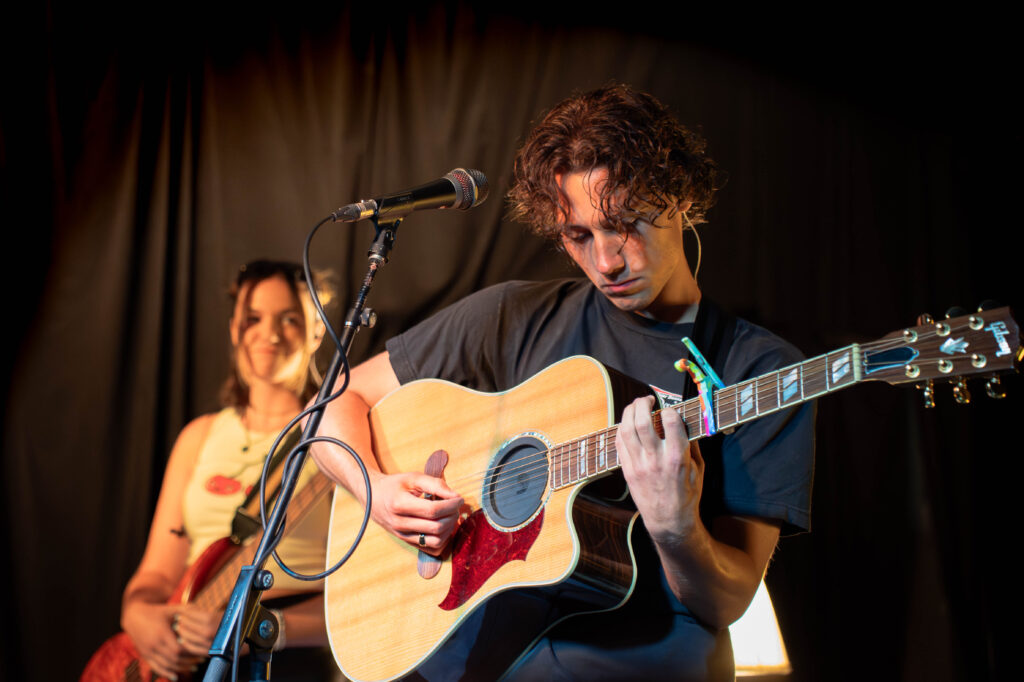
After a gorgeous opening set by Hana Bryanne, who owned the stage all on her own with her acoustic guitar, Jake Minch took to the stage, causing immediate, roaring cheers from the audience. He opened with “Twice,” off of “George,” all while being bathed in warm, backlighting from a lamp that was set on a table onstage. It gave the show a homey feeling, drawing nostalgia from the audience right off the bat.

His set continued with more songs off of “George” such as “Nostalgia Act” and “Drawing a Tattoo.” Being only 22 years old, Minch’s experiences are especially relatable to teenagers and young adults whose feelings are validated through his music. Through those songs, the audience clearly resonated with specific lyrics. For example, in “F***ed Up,” the crowd shouted out, “And I’m screaming at him not to … touch me / And everybody’s staring at the girl gone crazy.”

Minch sat down for a few songs in the middle of his performance, again drawing in the audience and making everyone feel the calm, low-key vibes of the night. He managed to bring the energy back up afterwards with what he described as his only two energetic songs: “whose you are” and “Say Uncle.” The latter was particularly fun as he encouraged his audience to get low to the ground and jump as the chorus hit.

“Fingers and Clothes,” the lead single off of “George,” was the most powerful part of the night. In the song, Minch compares his feelings for someone else to his nicotine addiction. The repetition of the line “Said it sticks to your fingers and clothes” throughout the song symbolizes his repeated emotions towards another person, even while dating someone else. The song’s story translated beautifully live, and it was an especially touching moment for the whole venue.

Minch closed out the night with “handgun,” his most popular song to date with nearly 3.5 million streams on Spotify. The audience took the opportunity to sing along and pour their hearts into the lyrics one last time. 

If there was one word to describe the crowd gathered at Center Stage Vinyl that night, it would undoubtedly be “devoted.” It seemed as though every single member of the audience knew every song by heart, and yet they still clung to each and every lyric that Minch sang. That devotion and enamoration brought a serious gravity upon the venue, making the crowd feel the music’s significance, no matter what level of fan they were.

Jake Minch’s “George on Tour” continues through the end of August, and his debut album “George” can be streamed on all platforms now.

The post Singer-songwriter Jake Minch performs sold-out show in Atlanta appeared first on Technique.

Posted in UncategorizedComments Off on Singer-songwriter Jake Minch performs sold-out show in Atlanta

Album review: Shake Awake debuts ‘Ghost of the Mantis’

Shake Awake might just be Atlanta’s best-kept secret. Since jumping into the city’s vibrant music scene a few years back, the band has built a reputation around their loud indie rock music and fiery live shows. With their long-awaited debut album “Ghost of the Mantis,” they bottle this energy and dynamic live feel into something tangible: a ten-song, angst-driven rock piece that proves that this is only the start of the Shake Awake takeover.

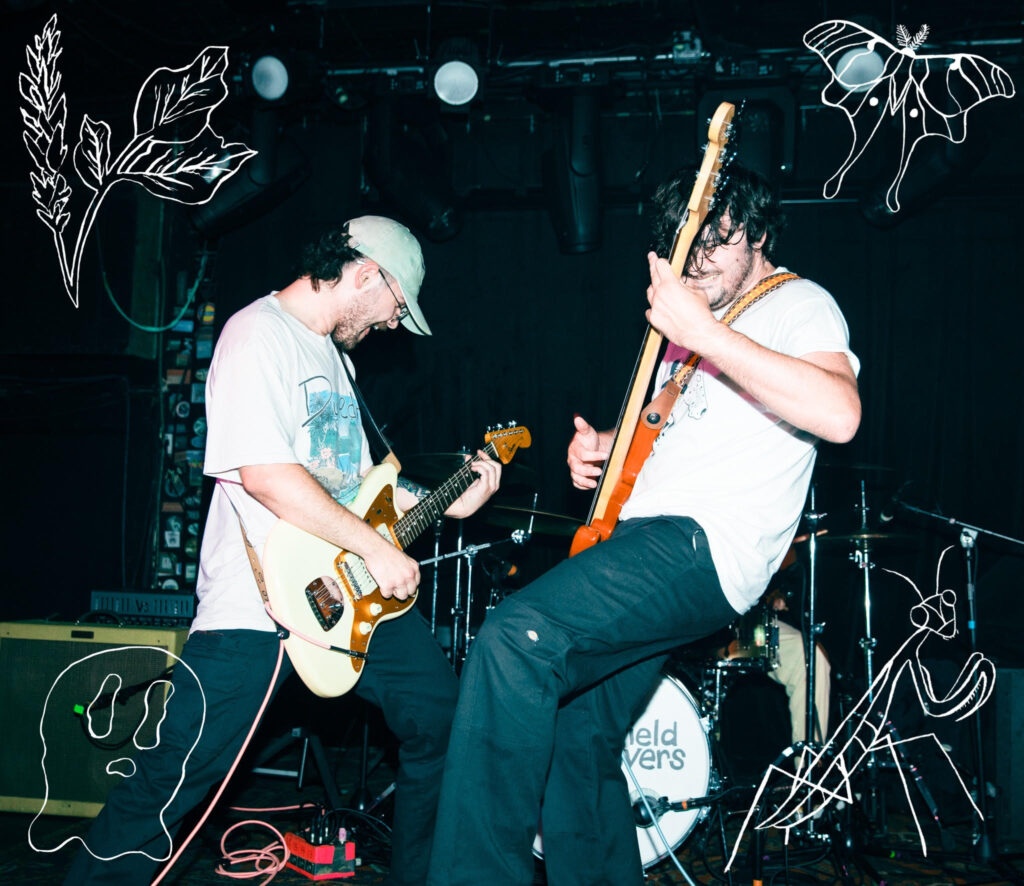
The band consists of Joseph Hawkins (vocals, bass), Tiernen Callahan (guitar) and Alejo Guerra (drums). The three met each other while attending Kennesaw State University, and after a few jam sessions, decided to form the band. Since then, they have become an absolute staple in Atlanta’s music, playing everything from backyards to the city’s best venues like the Masquerade, Center Stage Vinyl and Smith’s Olde Bar.

They describe their sound as “garage rock,” and it couldn’t be more fitting. “Ghost of the Mantis” is gritty and rough around the edges, just like the underground rock scene that shaped them. Back to front, the record feels raw and unfiltered in a way that many bands struggle to capture. The instrumentation is loud and big, but the lyrics are introspective and emotional, tethering them to their philosophy of keeping things real.

“We have a principle of realism attached to the Shake Awake sound that emphasizes the DIY aesthetic of the music,” said frontman Joseph Hawkins in an interview with the Technique. “We don’t include any sounds that can’t exist in the real world; sounds that can’t be replicated. That means no samples, no software instruments, or anything else that can’t be captured or performed by a real band.”

A few of the tracks on the album are re-records of songs they previously released. The album’s opener, “Pithy,” is one such track. Right from the get-go, the bass takes to the foreground, creating a dark and grainy atmosphere for listeners to dive head-first into. It’s a bold choice that pays off, showcasing the band’s confidence in their musical instincts. As the track devolves into a breakdown, the trio’s chemistry and technical ability shine.

For Shake Awake, the lyrics are just as important as the instrumentation. Every line on the record feels intentional, packed with metaphors and meanings that can only be picked up if you listen closely. This concept is especially evident in “Pithy.” The title itself means concise and expressive, just like the band’s writing style. The song’s chorus of “I do, I do, I speak it too / I do, I knew, it’s pithy like you,” plays with repetition to emphasize the significance of language and communication in our daily lives.

“The album really is about language,” said Hawkins. “A movie with great dialogue is better than a poorly spoken one with a stellar plot. A book with good prose doesn’t need a story that makes any sense… It’s impossible to consume art without its medium.” This obsession with language, the medium through which their art is shared, contextualizes their music and gives it a profound meaning, packing an emotional punch for their listeners.

The same lyrical weight carries on into “Burgundy,” one of the album’s most relatable and reflective moments. Hawkins tells the story of a man who dreams of being rich and successful. However, after sacrificing his youth to the 9-5, he wonders why he even wanted it in the first place. He resolves, “What could I want as a rich man, with leather and wine in burgundy / I believe I’d want what I can’t stand now / All the little things that burden me.” In this simple, horn-driven song, the band beautifully captures the universal ache of regret.

The album’s single, “Pyramids,” leans a bit more into the pop-appeal rather than many of the other songs’ rock tendencies. With its bright rhythm, playful groove and earworm of a chorus, it’s one of the most instantly catchy songs on the record. It continually weaves metaphors and themes of repeating history and being unable to change into the lyrics. Through the persistent guitar oscillations and snappy chorus, it is definitely a track that sticks with listeners.

Fans of the band will recognize “Kudzu Cutter” from its previous release and unforgettable part in the band’s live shows. However, the song takes on new life on the record with its fresh recording. Throughout the track, the guitar comes and goes in waves, building in intensity again and again. Fittingly, it is also the track that gave the band their name from the lyric, “When I shake awake, could you try and remember my pulse?”

With “Ghost of the Mantis,” Shake Awake has delivered a debut record that successfully merges thoughtful, lyrical themes with rough, fun rock instrumentation. Every lyric, riff and rhythm feels intentional, the result of a band that knows exactly what they want to say and how to say it. Shake Awake certainly won’t be underground for long. This band is meant for bigger stages, and they’re just getting started.

The post Album review: Shake Awake debuts ‘Ghost of the Mantis’ appeared first on Technique.

Posted in UncategorizedComments Off on Album review: Shake Awake debuts ‘Ghost of the Mantis’