
Author Archives | Harlem Gilbert

The death of tween culture

Saul Sanchez/The Cougar

The transition from childhood to adolescence has become increasingly abrupt. The disappearance of tween culture, a space created for those between childhood and adolescence, typically ages nine to 12, has become increasingly noticeable.

Tweens of the past had a section of pop culture meant just for them, giving them space to outgrow PBS Kids without having to dive straight into something like “Breaking Bad.”

Unfortunately, today’s tweens no longer have the same space. They face a choice between being a kid for too long and growing up too fast. But what happened to tween culture, and why does losing a space specifically made for this age group matter?

What made up tween culture?

Tween culture was unique in that its themes were liminal, just like the age group it represents. The group’s initial recognition as a distinct demographic was largely driven by marketing, as industries began to recognize tweens as a separate consumer group.

Movies, shows and music all contributed to the height of tween culture in the late 1990s and 2000s. Networks like Disney Channel and Nickelodeon played a major role in carving out this space.

Media targeted at tweens took realistic issues they might face and turned them into plotlines without watering them down completely. Popular shows like “Degrassi,” “That’s So Raven” and “Lizzie McGuire” featured relatable characters learning life lessons and growing into themselves, much like tweens do in real life.  

Tween fashion drew heavily from the clothes worn in these television shows. Stores like Hot Topic, Claire’s and Justice also became associated with tween fashion.

Music aimed at this age group was often pop-oriented and featured little to no profanity. R&B-leaning groups like OMG Girlz and Mindless Behavior also appealed to tween audiences. Alternative and emo acts like Paramore and My Chemical Romance weren’t necessarily aimed at tweens, but they still attracted young fans.

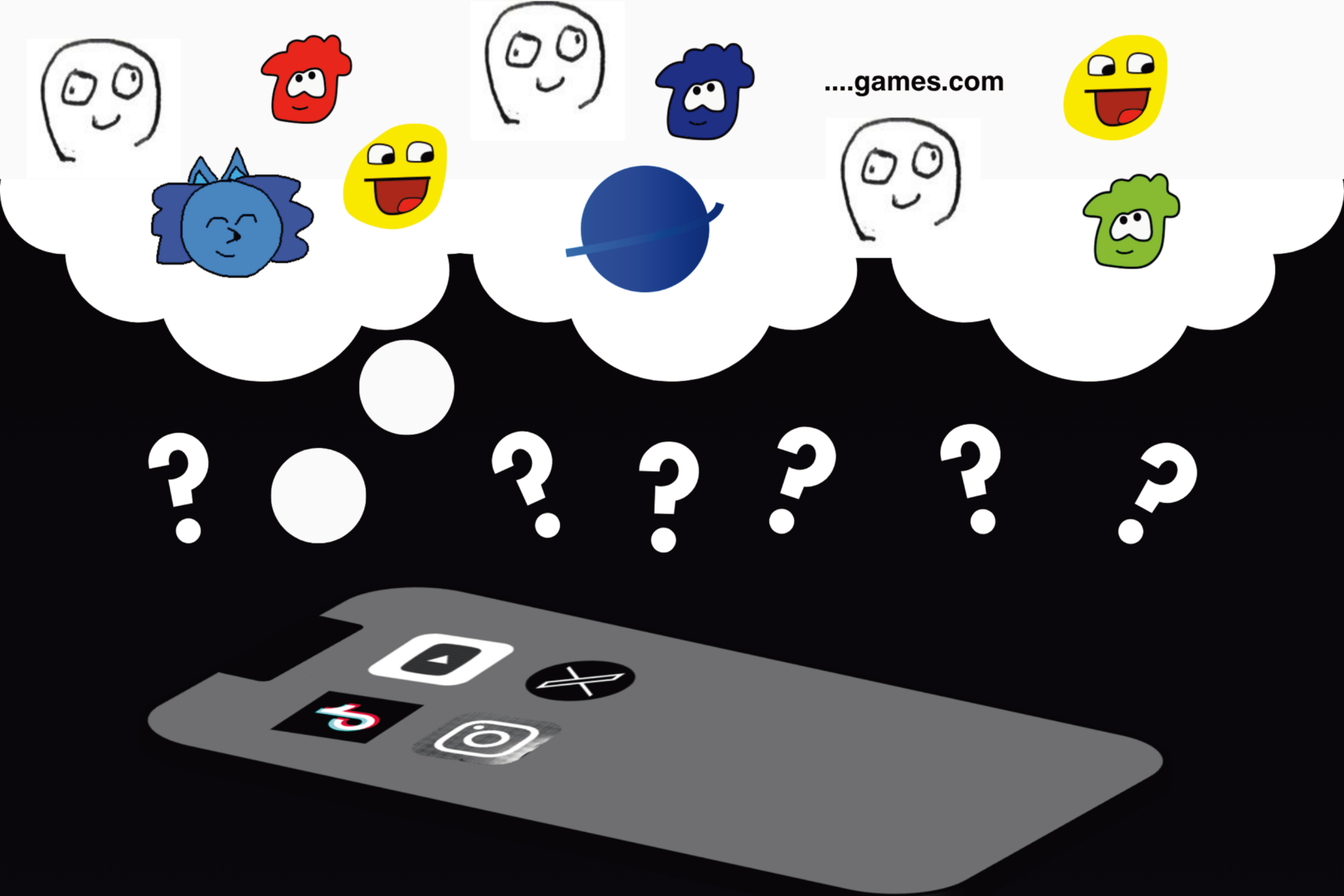
Online games and platforms like Club Penguin, GirlsGoGames and, later, Minecraft and Roblox were also prevalent in tween culture. Sandbox games were especially popular because they prioritized expression and creativity over structured plotlines. 

What caused the decline?

Several factors contributed to the decline of tween culture, including the rise of streaming and social media. Television shows were at the forefront of tween culture, but with the rise of streaming services, shows have shifted toward more mature themes. 

As a result, television specifically targeted toward tweens has become less prominent. Production companies shy away from the liminality that comes with tweenhood. Creating content that explores mature themes while remaining age-appropriate and engaging can be a difficult balance, especially compared with programming made strictly for mature audiences.

The presence of the internet and social media hasn’t done tween culture any favors either. As social media has grown in popularity, children have gained access to it at younger ages, potentially exposing them to content intended for older audiences.

Exposure to lifestyle and beauty content can be developmentally harmful for such an impressionable group. When tween culture was at its peak, this wasn’t much of an issue; a thirteen-year-old wanting to imitate something Lizzie McGuire did wouldn’t be a problem, because Lizzie McGuire herself is 13. 

Alternatively, if a 13-year-old wanted to imitate something Alix Earle did, that would be problematic, because she is a 26-year-old woman. The difference is that one gives tweens someone their own age to relate to, while the other gives them an adult lifestyle to imitate.

Why does it matter?

Young people deserve spaces made specifically for them, especially during childhood. Giving young people space to grow into themselves at their own pace is important.

Without spaces specifically designed for tweens, young people can feel pressured to move directly from children’s media to content created for teenagers and adults. Tweens deserve spaces where they can learn who they are without feeling pressured to grow up the moment they hit double digits. 

Bringing back a culture made specifically for them could give young people something increasingly difficult to find online: permission to simply be their age.

opinion@thedailycougar.com

—
“The death of tween culture” was originally posted on The Cougar

Posted in UncategorizedComments Off on The death of tween culture

The death of tween culture

Saul Sanchez/The Cougar

The transition from childhood to adolescence has become increasingly abrupt. The disappearance of tween culture, a space created for those between childhood and adolescence, typically ages nine to 12, has become increasingly noticeable.

Tweens of the past had a section of pop culture meant just for them, giving them space to outgrow PBS Kids without having to dive straight into something like “Breaking Bad.”

Unfortunately, today’s tweens no longer have the same space. They face a choice between being a kid for too long and growing up too fast. But what happened to tween culture, and why does losing a space specifically made for this age group matter?

What made up tween culture?

Tween culture was unique in that its themes were liminal, just like the age group it represents. The group’s initial recognition as a distinct demographic was largely driven by marketing, as industries began to recognize tweens as a separate consumer group.

Movies, shows and music all contributed to the height of tween culture in the late 1990s and 2000s. Networks like Disney Channel and Nickelodeon played a major role in carving out this space.

Media targeted at tweens took realistic issues they might face and turned them into plotlines without watering them down completely. Popular shows like “Degrassi,” “That’s So Raven” and “Lizzie McGuire” featured relatable characters learning life lessons and growing into themselves, much like tweens do in real life.  

Tween fashion drew heavily from the clothes worn in these television shows. Stores like Hot Topic, Claire’s and Justice also became associated with tween fashion.

Music aimed at this age group was often pop-oriented and featured little to no profanity. R&B-leaning groups like OMG Girlz and Mindless Behavior also appealed to tween audiences. Alternative and emo acts like Paramore and My Chemical Romance weren’t necessarily aimed at tweens, but they still attracted young fans.

Online games and platforms like Club Penguin, GirlsGoGames and, later, Minecraft and Roblox were also prevalent in tween culture. Sandbox games were especially popular because they prioritized expression and creativity over structured plotlines. 

What caused the decline?

Several factors contributed to the decline of tween culture, including the rise of streaming and social media. Television shows were at the forefront of tween culture, but with the rise of streaming services, shows have shifted toward more mature themes. 

As a result, television specifically targeted toward tweens has become less prominent. Production companies shy away from the liminality that comes with tweenhood. Creating content that explores mature themes while remaining age-appropriate and engaging can be a difficult balance, especially compared with programming made strictly for mature audiences.

The presence of the internet and social media hasn’t done tween culture any favors either. As social media has grown in popularity, children have gained access to it at younger ages, potentially exposing them to content intended for older audiences.

Exposure to lifestyle and beauty content can be developmentally harmful for such an impressionable group. When tween culture was at its peak, this wasn’t much of an issue; a thirteen-year-old wanting to imitate something Lizzie McGuire did wouldn’t be a problem, because Lizzie McGuire herself is 13. 

Alternatively, if a 13-year-old wanted to imitate something Alix Earle did, that would be problematic, because she is a 26-year-old woman. The difference is that one gives tweens someone their own age to relate to, while the other gives them an adult lifestyle to imitate.

Why does it matter?

Young people deserve spaces made specifically for them, especially during childhood. Giving young people space to grow into themselves at their own pace is important.

Without spaces specifically designed for tweens, young people can feel pressured to move directly from children’s media to content created for teenagers and adults. Tweens deserve spaces where they can learn who they are without feeling pressured to grow up the moment they hit double digits. 

Bringing back a culture made specifically for them could give young people something increasingly difficult to find online: permission to simply be their age.

opinion@thedailycougar.com

—
“The death of tween culture” was originally posted on The Cougar
Posted in UncategorizedComments Off on The death of tween culture

The death of tween culture

Saul Sanchez/The Cougar

The transition from childhood to adolescence has become increasingly abrupt. The disappearance of tween culture, a space created for those between childhood and adolescence, typically ages nine to 12, has become increasingly noticeable.

Tweens of the past had a section of pop culture meant just for them, giving them space to outgrow PBS Kids without having to dive straight into something like “Breaking Bad.”

Unfortunately, today’s tweens no longer have the same space. They face a choice between being a kid for too long and growing up too fast. But what happened to tween culture, and why does losing a space specifically made for this age group matter?

What made up tween culture?

Tween culture was unique in that its themes were liminal, just like the age group it represents. The group’s initial recognition as a distinct demographic was largely driven by marketing, as industries began to recognize tweens as a separate consumer group.

Movies, shows and music all contributed to the height of tween culture in the late 1990s and 2000s. Networks like Disney Channel and Nickelodeon played a major role in carving out this space.

Media targeted at tweens took realistic issues they might face and turned them into plotlines without watering them down completely. Popular shows like “Degrassi,” “That’s So Raven” and “Lizzie McGuire” featured relatable characters learning life lessons and growing into themselves, much like tweens do in real life.  

Tween fashion drew heavily from the clothes worn in these television shows. Stores like Hot Topic, Claire’s and Justice also became associated with tween fashion.

Music aimed at this age group was often pop-oriented and featured little to no profanity. R&B-leaning groups like OMG Girlz and Mindless Behavior also appealed to tween audiences. Alternative and emo acts like Paramore and My Chemical Romance weren’t necessarily aimed at tweens, but they still attracted young fans.

Online games and platforms like Club Penguin, GirlsGoGames and, later, Minecraft and Roblox were also prevalent in tween culture. Sandbox games were especially popular because they prioritized expression and creativity over structured plotlines. 

What caused the decline?

Several factors contributed to the decline of tween culture, including the rise of streaming and social media. Television shows were at the forefront of tween culture, but with the rise of streaming services, shows have shifted toward more mature themes. 

As a result, television specifically targeted toward tweens has become less prominent. Production companies shy away from the liminality that comes with tweenhood. Creating content that explores mature themes while remaining age-appropriate and engaging can be a difficult balance, especially compared with programming made strictly for mature audiences.

The presence of the internet and social media hasn’t done tween culture any favors either. As social media has grown in popularity, children have gained access to it at younger ages, potentially exposing them to content intended for older audiences.

Exposure to lifestyle and beauty content can be developmentally harmful for such an impressionable group. When tween culture was at its peak, this wasn’t much of an issue; a thirteen-year-old wanting to imitate something Lizzie McGuire did wouldn’t be a problem, because Lizzie McGuire herself is 13. 

Alternatively, if a 13-year-old wanted to imitate something Alix Earle did, that would be problematic, because she is a 26-year-old woman. The difference is that one gives tweens someone their own age to relate to, while the other gives them an adult lifestyle to imitate.

Why does it matter?

Young people deserve spaces made specifically for them, especially during childhood. Giving young people space to grow into themselves at their own pace is important.

Without spaces specifically designed for tweens, young people can feel pressured to move directly from children’s media to content created for teenagers and adults. Tweens deserve spaces where they can learn who they are without feeling pressured to grow up the moment they hit double digits. 

Bringing back a culture made specifically for them could give young people something increasingly difficult to find online: permission to simply be their age.

opinion@thedailycougar.com

—
“The death of tween culture” was originally posted on The Cougar

Posted in UncategorizedComments Off on The death of tween culture

Houston loses to Kansas 3-0 in conference opener

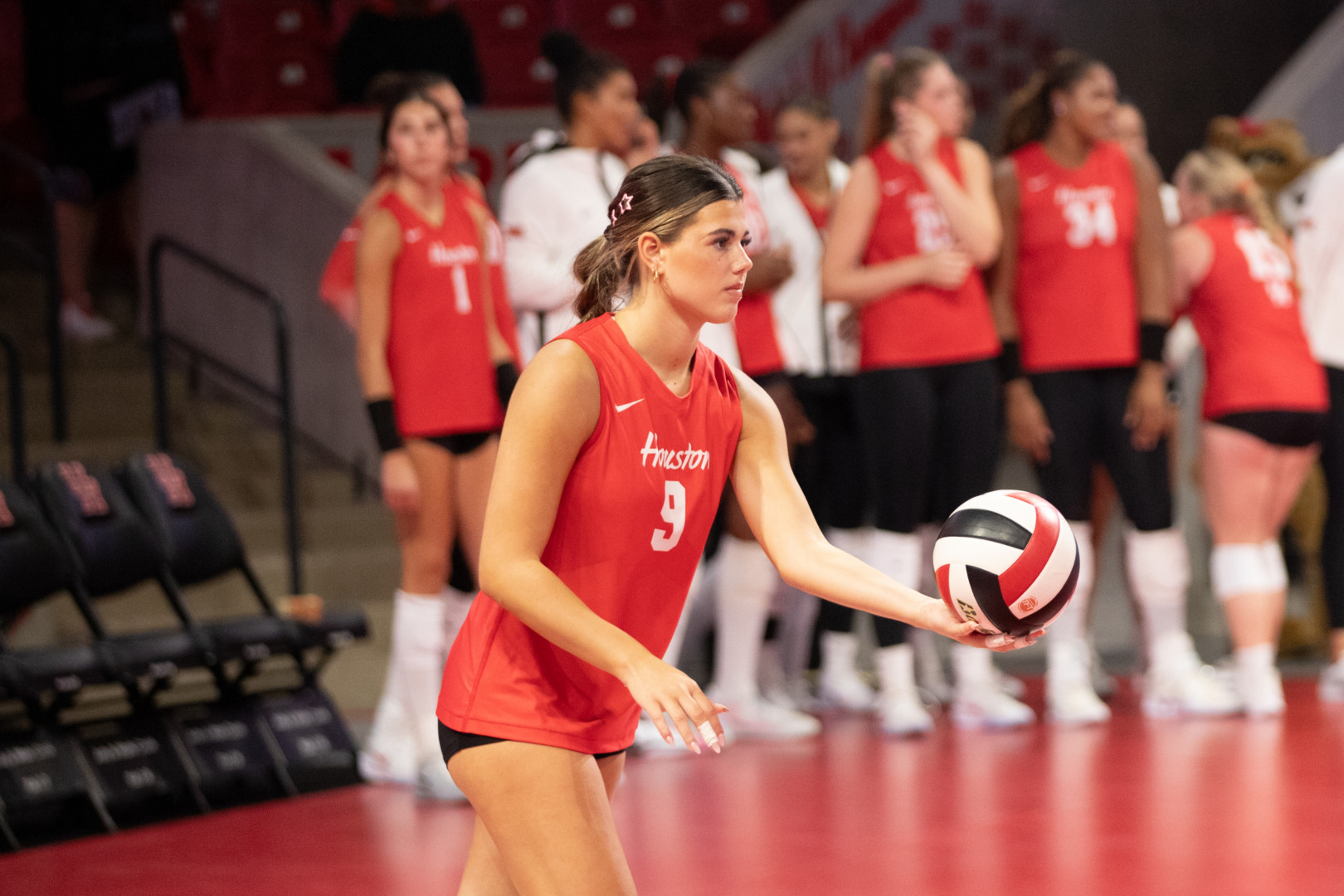
Houston’s setter Shannon Dworaczyk (9) serving against HCU during a NCAA women’s college volleyball match, Saturday, Sept. 19, 2026 at Fertiita Center. (Cody Strickler/ The Cougar)

On Sept. 25, the Houston Cougars Volleyball team traveled to Lawrence, Kansas, to face the Kansas Jayhawks at home for the Big 12 Conference opener.  Kansas was ranked No. 19 heading into the game and was largely favored to win.

Kansas and Houston volleyball have faced off against each other eight times over the last forty-nine years. They first met each other in 1977, then again in 1988 and 1987 respectively, Houston taking the win in all three of these games. 

A thirty-six-year gap was surpassed before the teams would meet again in 2023, which began a losing streak for Houston. For the last five games, Kansas has beaten the Cougars.

Kansas scored the first points of the game off of a no-touch ace. For the majority of the first set, Kansas led but eventually Houston tied up the score at 23-23 and stayed even until the final 2 rallies, when Kansas took the win after another no-touch ace. The first set ended with a tight gap score of 31-19.

The next set went similarly, with Kansas scoring the first point, but the score stayed close up until the last few rallies, with the final score at 25-20. 

The final set began with Houston scoring the first point and maintaining a small lead over Kansas before they eventually came back and took it. The game concluded with a victory for the Jayhawks with a score of 25-15, giving them a 3-0 win over Houston. 

Although Houston did not come out with a win, a few players still had impressive performances. On the offensive side, junior outside hitter Sydney Jones managed fourteen kills out of a total of thirty-seven. 

The Houston Cougars Volleyball team next faces Kansas State on Sep. 27 at the Morgan Family Arena.

sports@thedailycougar.com

—
“Houston loses to Kansas 3-0 in conference opener” was originally posted on The Cougar

Posted in UncategorizedComments Off on Houston loses to Kansas 3-0 in conference opener