
Author Archives | Gabby Ramirez

Why Texas still isn’t prepared for disaster

Valeria Payan / The Cougar

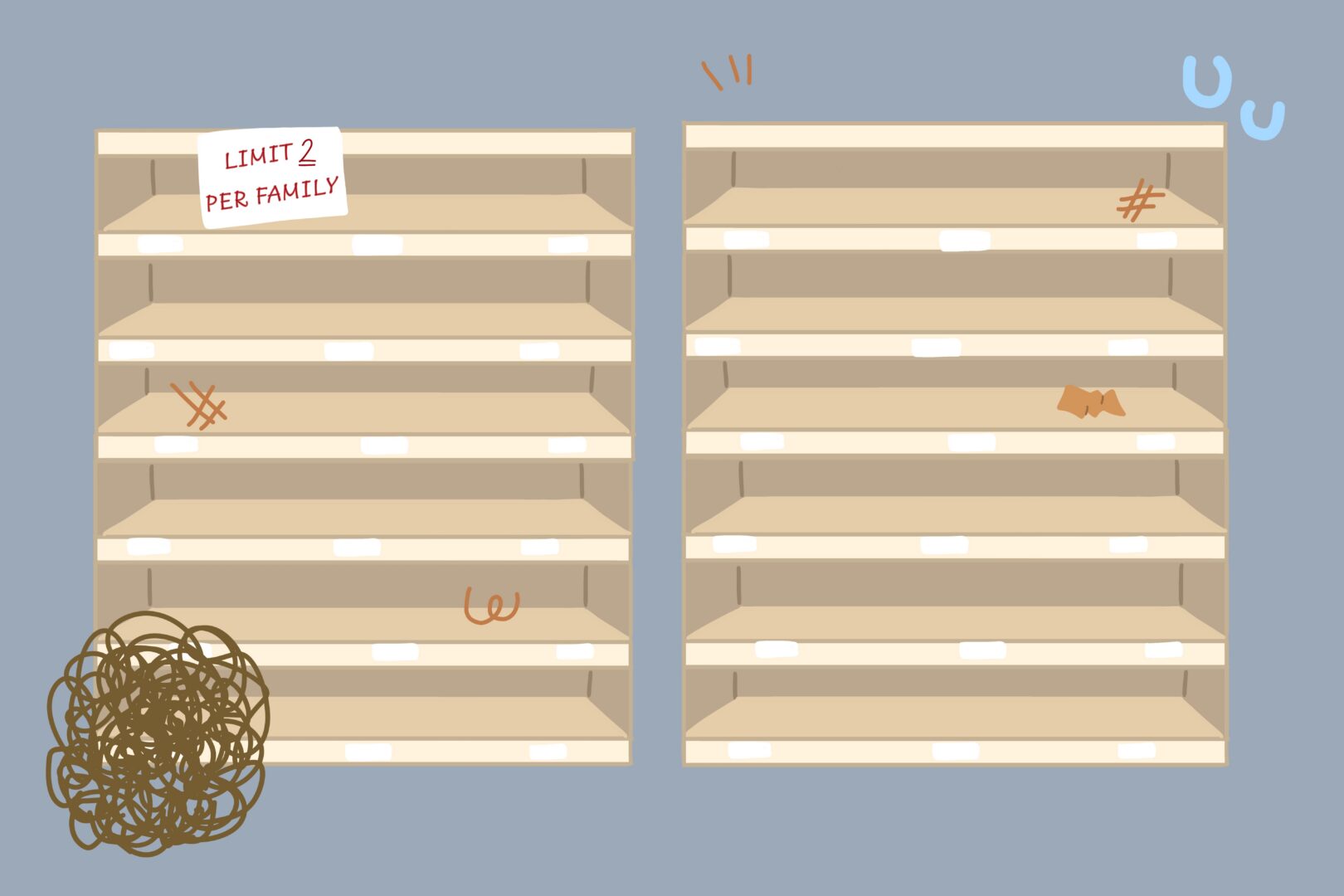
Going to the store days before a winter storm in Texas is like preparing for the apocalypse. A line goes down the street to look for a parking space and the store is flooded with people gathering supplies. Every aisle is ransacked, there is no water, toilet paper or milk. 

People gather what they can and hunker down at home, praying the storm passes by quickly. The storm passes after a few days, with minimal damage in its wake.

One thinks in hindsight that they overreacted; it was just a small storm. But under that doubt, there are memories of almost five years ago. Memories of cold, powerless nights and being forgotten by those who were meant to protect them.

Texas has left its citizens stranded and unprepared during natural disasters. Consistently, it has taken the bare minimum steps to prepare the state, or even worse, acted too late in an emergency.

A pattern of neglect

In 2017, the second most destructive hurricane hit most of Texas and Louisiana. Hurricane Harvey caused $125 to $160 billion in damage, causing major flooding. Most places experienced a minimum of one to three feet of flooding, with some counties reporting four to seven feet, which devastated entire towns. 

68 Texans lost their lives as a result of Hurricane Harvey, of which more than half were from Harris County. As the storm passed, and the rescue and reconstruction efforts began, Texas received $820 billion in relief from a federal disaster program. However, 62% of this funding has gone unused by the Texas government.

Only four years later, another disaster would strike Texas. On Feb. 11, 2021, Texans received their first weather advisory of an upcoming Winter Storm.

As Winter Storm Uri swept into Texas, more warnings were issued until Feb. 14, when the entire state of Texas was placed under a winter storm warning.

Those three days weren’t enough to prepare Texans for the disaster to come, and just as everyone began to stay indoors, it went from bad to worse as people began to lose power. 

Uri’s record-breaking temperatures and conditions quickly overwhelmed the state’s power grid. On February 15, 40% of the grid’s capacity failed, causing over 4.5 million homes and businesses to lose power, with some outages lasting several days. 

Now, millions of Texans were stuck in their homes in single-digit or sub-zero temperatures. People were dying in the cold, and to make matters even more insulting, Senator Ted Cruz left Texas with his family amid the crisis and hopped on a plane to Cancun.

He returned shortly after, but the damage had been done. Texans who were freezing in their homes had watched one of their leaders abandon them, and it was a transgression that nobody has ever forgotten.

The storm cost the state an estimated $195 billion, and 246 people were lost to the freezing temperatures. 

Why did this happen?

One major reason so many people lost their power was due to how Texas’s power grid is run. It is run by the Electric Reliability Council of Texas, and how it works is the reason we saw heavy outages.

The US is divided by three major power grids. The Western interconnect and the Eastern interconnect cover several states. 

This allows so that when one state or area experiences an outage, the state can receive power transferred by another state. However, in the 1930s, Texas wanted to avoid the federal regulations that came with interstate power transmission.

As a result, they created a third power grid, one that only occupies and relies on the energy of Texas. So, when our grid lost power, we had no one who could help us, leaving millions of Texans without power for eight to nine days.

Another storm arrives

It’s now January 2026, and another winter storm has come and gone. All in all, this year’s storm was a lot more tame. It only lasted five days, and about 130 thousand homes and businesses lost power for a day or two. 

The temperature only reached below the late teens. However, one thing stayed the same: Ted Cruz’s leaving the state served as an omen to Texans. Reminders of the devastating 2021 storm quickly came to mind, and thousands of Texans began doomsday prepping.

Natural disasters are unavoidable, especially in such a weather-diverse state as Texas. However, how the Texas government has chosen money and federal independence over the well-being of its citizens is disappointing. 

While winter storms on the whole are uncommon, disasters are not. What if another hurricane comes to destroy the state, leaving us without power? Why does it require a fatal disaster for preparations to be put in place?

Texas deserves a government that acts quickly and without hesitation. One that puts people over profit.

opinion@thedailycougar.com

—
“Why Texas still isn’t prepared for disaster” was originally posted on The Cougar

Posted in UncategorizedComments Off on Why Texas still isn’t prepared for disaster

Why Texas still isn’t prepared for disaster

Valeria Payan / The Cougar

Going to the store days before a winter storm in Texas is like preparing for the apocalypse. A line goes down the street to look for a parking space and the store is flooded with people gathering supplies. Every aisle is ransacked, there is no water, toilet paper or milk. 

People gather what they can and hunker down at home, praying the storm passes by quickly. The storm passes after a few days, with minimal damage in its wake.

One thinks in hindsight that they overreacted; it was just a small storm. But under that doubt, there are memories of almost five years ago. Memories of cold, powerless nights and being forgotten by those who were meant to protect them.

Texas has left its citizens stranded and unprepared during natural disasters. Consistently, it has taken the bare minimum steps to prepare the state, or even worse, acted too late in an emergency.

A pattern of neglect

In 2017, the second most destructive hurricane hit most of Texas and Louisiana. Hurricane Harvey caused $125 to $160 billion in damage, causing major flooding. Most places experienced a minimum of one to three feet of flooding, with some counties reporting four to seven feet, which devastated entire towns. 

68 Texans lost their lives as a result of Hurricane Harvey, of which more than half were from Harris County. As the storm passed, and the rescue and reconstruction efforts began, Texas received $820 billion in relief from a federal disaster program. However, 62% of this funding has gone unused by the Texas government.

Only four years later, another disaster would strike Texas. On Feb. 11, 2021, Texans received their first weather advisory of an upcoming Winter Storm.

As Winter Storm Uri swept into Texas, more warnings were issued until Feb. 14, when the entire state of Texas was placed under a winter storm warning.

Those three days weren’t enough to prepare Texans for the disaster to come, and just as everyone began to stay indoors, it went from bad to worse as people began to lose power. 

Uri’s record-breaking temperatures and conditions quickly overwhelmed the state’s power grid. On February 15, 40% of the grid’s capacity failed, causing over 4.5 million homes and businesses to lose power, with some outages lasting several days. 

Now, millions of Texans were stuck in their homes in single-digit or sub-zero temperatures. People were dying in the cold, and to make matters even more insulting, Senator Ted Cruz left Texas with his family amid the crisis and hopped on a plane to Cancun.

He returned shortly after, but the damage had been done. Texans who were freezing in their homes had watched one of their leaders abandon them, and it was a transgression that nobody has ever forgotten.

The storm cost the state an estimated $195 billion, and 246 people were lost to the freezing temperatures. 

Why did this happen?

One major reason so many people lost their power was due to how Texas’s power grid is run. It is run by the Electric Reliability Council of Texas, and how it works is the reason we saw heavy outages.

The US is divided by three major power grids. The Western interconnect and the Eastern interconnect cover several states. 

This allows so that when one state or area experiences an outage, the state can receive power transferred by another state. However, in the 1930s, Texas wanted to avoid the federal regulations that came with interstate power transmission.

As a result, they created a third power grid, one that only occupies and relies on the energy of Texas. So, when our grid lost power, we had no one who could help us, leaving millions of Texans without power for eight to nine days.

Another storm arrives

It’s now January 2026, and another winter storm has come and gone. All in all, this year’s storm was a lot more tame. It only lasted five days, and about 130 thousand homes and businesses lost power for a day or two. 

The temperature only reached below the late teens. However, one thing stayed the same: Ted Cruz’s leaving the state served as an omen to Texans. Reminders of the devastating 2021 storm quickly came to mind, and thousands of Texans began doomsday prepping.

Natural disasters are unavoidable, especially in such a weather-diverse state as Texas. However, how the Texas government has chosen money and federal independence over the well-being of its citizens is disappointing. 

While winter storms on the whole are uncommon, disasters are not. What if another hurricane comes to destroy the state, leaving us without power? Why does it require a fatal disaster for preparations to be put in place?

Texas deserves a government that acts quickly and without hesitation. One that puts people over profit.

opinion@thedailycougar.com

—
“Why Texas still isn’t prepared for disaster” was originally posted on The Cougar

Posted in UncategorizedComments Off on Why Texas still isn’t prepared for disaster

Why Texas still isn’t prepared for disaster

Valeria Payan / The Cougar

Going to the store days before a winter storm in Texas is like preparing for the apocalypse. A line goes down the street to look for a parking space and the store is flooded with people gathering supplies. Every aisle is ransacked, there is no water, toilet paper or milk. 

People gather what they can and hunker down at home, praying the storm passes by quickly. The storm passes after a few days, with minimal damage in its wake.

One thinks in hindsight that they overreacted; it was just a small storm. But under that doubt, there are memories of almost five years ago. Memories of cold, powerless nights and being forgotten by those who were meant to protect them.

Texas has left its citizens stranded and unprepared during natural disasters. Consistently, it has taken the bare minimum steps to prepare the state, or even worse, acted too late in an emergency.

A pattern of neglect

In 2017, the second most destructive hurricane hit most of Texas and Louisiana. Hurricane Harvey caused $125 to $160 billion in damage, causing major flooding. Most places experienced a minimum of one to three feet of flooding, with some counties reporting four to seven feet, which devastated entire towns. 

68 Texans lost their lives as a result of Hurricane Harvey, of which more than half were from Harris County. As the storm passed, and the rescue and reconstruction efforts began, Texas received $820 billion in relief from a federal disaster program. However, 62% of this funding has gone unused by the Texas government.

Only four years later, another disaster would strike Texas. On Feb. 11, 2021, Texans received their first weather advisory of an upcoming Winter Storm.

As Winter Storm Uri swept into Texas, more warnings were issued until Feb. 14, when the entire state of Texas was placed under a winter storm warning.

Those three days weren’t enough to prepare Texans for the disaster to come, and just as everyone began to stay indoors, it went from bad to worse as people began to lose power. 

Uri’s record-breaking temperatures and conditions quickly overwhelmed the state’s power grid. On February 15, 40% of the grid’s capacity failed, causing over 4.5 million homes and businesses to lose power, with some outages lasting several days. 

Now, millions of Texans were stuck in their homes in single-digit or sub-zero temperatures. People were dying in the cold, and to make matters even more insulting, Senator Ted Cruz left Texas with his family amid the crisis and hopped on a plane to Cancun.

He returned shortly after, but the damage had been done. Texans who were freezing in their homes had watched one of their leaders abandon them, and it was a transgression that nobody has ever forgotten.

The storm cost the state an estimated $195 billion, and 246 people were lost to the freezing temperatures. 

Why did this happen?

One major reason so many people lost their power was due to how Texas’s power grid is run. It is run by the Electric Reliability Council of Texas, and how it works is the reason we saw heavy outages.

The US is divided by three major power grids. The Western interconnect and the Eastern interconnect cover several states. 

This allows so that when one state or area experiences an outage, the state can receive power transferred by another state. However, in the 1930s, Texas wanted to avoid the federal regulations that came with interstate power transmission.

As a result, they created a third power grid, one that only occupies and relies on the energy of Texas. So, when our grid lost power, we had no one who could help us, leaving millions of Texans without power for eight to nine days.

Another storm arrives

It’s now January 2026, and another winter storm has come and gone. All in all, this year’s storm was a lot more tame. It only lasted five days, and about 130 thousand homes and businesses lost power for a day or two. 

The temperature only reached below the late teens. However, one thing stayed the same: Ted Cruz’s leaving the state served as an omen to Texans. Reminders of the devastating 2021 storm quickly came to mind, and thousands of Texans began doomsday prepping.

Natural disasters are unavoidable, especially in such a weather-diverse state as Texas. However, how the Texas government has chosen money and federal independence over the well-being of its citizens is disappointing. 

While winter storms on the whole are uncommon, disasters are not. What if another hurricane comes to destroy the state, leaving us without power? Why does it require a fatal disaster for preparations to be put in place?

Texas deserves a government that acts quickly and without hesitation. One that puts people over profit.

opinion@thedailycougar.com

—
“Why Texas still isn’t prepared for disaster” was originally posted on The Cougar

Posted in UncategorizedComments Off on Why Texas still isn’t prepared for disaster

The empathy gap in American restaurants

Isabel Bustos/ The Cougar

It’s a Sunday morning at the restaurant where you host, and by 11 a.m., the after-church crowd is flooding in. By now, your only mission is to survive. You’re being yelled at by a man who swears his family has been waiting over an hour, even though the computer says 20 minutes.

You look over at the to-go server: 10 orders on their screen, the phone ringing nonstop and two DoorDash drivers are shoving their phones at their faces for an order placed three minutes ago.

You then look at the server you just triple-sat, who hasn’t greeted a table, while others demand refills and complain their eggs aren’t runny enough. The manager is no help and even blames you for being on a wait. Rinse, repeat and do it again the next day. 

These types of shifts are common in the service industry. While many benefit from food service labor, few appreciate it. If more people experienced a restaurant job firsthand, it could build empathy and make restaurant jobs more enjoyable for everyone.

The reality of restaurant jobs today

In a survey of 4,700 people who currently work or in the past have worked in a food service job, 60% reported having been verbally abused by a customer. The abuse is so common that online, the name “Karen” and, less commonly, “Ken” have been used to refer to these verbally abusive customers.

As of April 2025, an estimated 12.5 million people in the U.S. work in food service jobs, such as restaurants, fast food places or bars. 60% of those employed are under 35. Additionally, in 2002, one in eight people had been employed by McDonald’s. Despite these numbers, many customers are unaware of what goes on behind the scenes in a restaurant. 

They don’t know what it means when a menu item is “86” or the stress of getting an order out in under three minutes. While a person doesn’t need to experience a stressful situation to be sympathetic to others, often that’s what it takes to be kinder to restaurant employees.

Why working in a restaurant matters

Before I worked in the food industry, I was annoyed by restaurant and fast-food employees. I would never say anything to them, of course, but there was still some ignorant irritation.

Once I started working in the food industry, my annoyance turned to empathy whenever something went wrong because I finally understood how everything worked.

Growing up, my family always went to the same McDonald’s. Being the only fast-food place for miles along a busy stretch of highway, it frequently got swamped with customers. Once, my dad complained about how long the food was taking and was rude to the cashier. At the time, I thought it was reasonable. I mean, how hard could working at McDonald’s be?

Then I turned 16 and got hired at that same McDonald’s. Despite being a popular location, it often ran on a skeleton crew, especially at night: one manager, one cook and one cashier. As one-third of the crew, I took orders, made drinks, dropped fries, packed food and stocked supplies, all while racing a three-minute timer.

With that many responsibilities, mistakes are bound to happen. Yet most of the time I was yelled at, it wasn’t for a mistake, but for customers’ lack of understanding of how the system works.

One moment that always sticks with me is when a man yelled at me because the person behind him got their food first. Never mind that he ordered five combos, several made to order, while the other customer ordered a 10-piece nugget meal. No, I clearly delayed his order on purpose to starve his family.

I don’t know what kind of life that man lived, but I’d bet he had never worked in a restaurant. If he had, how differently would that interaction have gone?

Nothing can replace experience

No matter how much you preach about treating servers kindly, the only way to see behavior change is to have people experience the job firsthand. It’s a lot like learning to drive. You can read all the textbooks you want, but until you sit behind the wheel, you don’t know what driving is truly like. 

Customers see restaurant workers as machines who do a job, not as people with emotions. Until empathy becomes common in restaurants, it may take putting people behind the counter to show them just how “easy” the job they take for granted really is.

opinion@thedailycougar.com

—
“The empathy gap in American restaurants” was originally posted on The Cougar

Posted in UncategorizedComments Off on The empathy gap in American restaurants