

Author Archives | Fatoumata Traore

The Internet is talking, but is anyone there?

Nina To/The Cougar

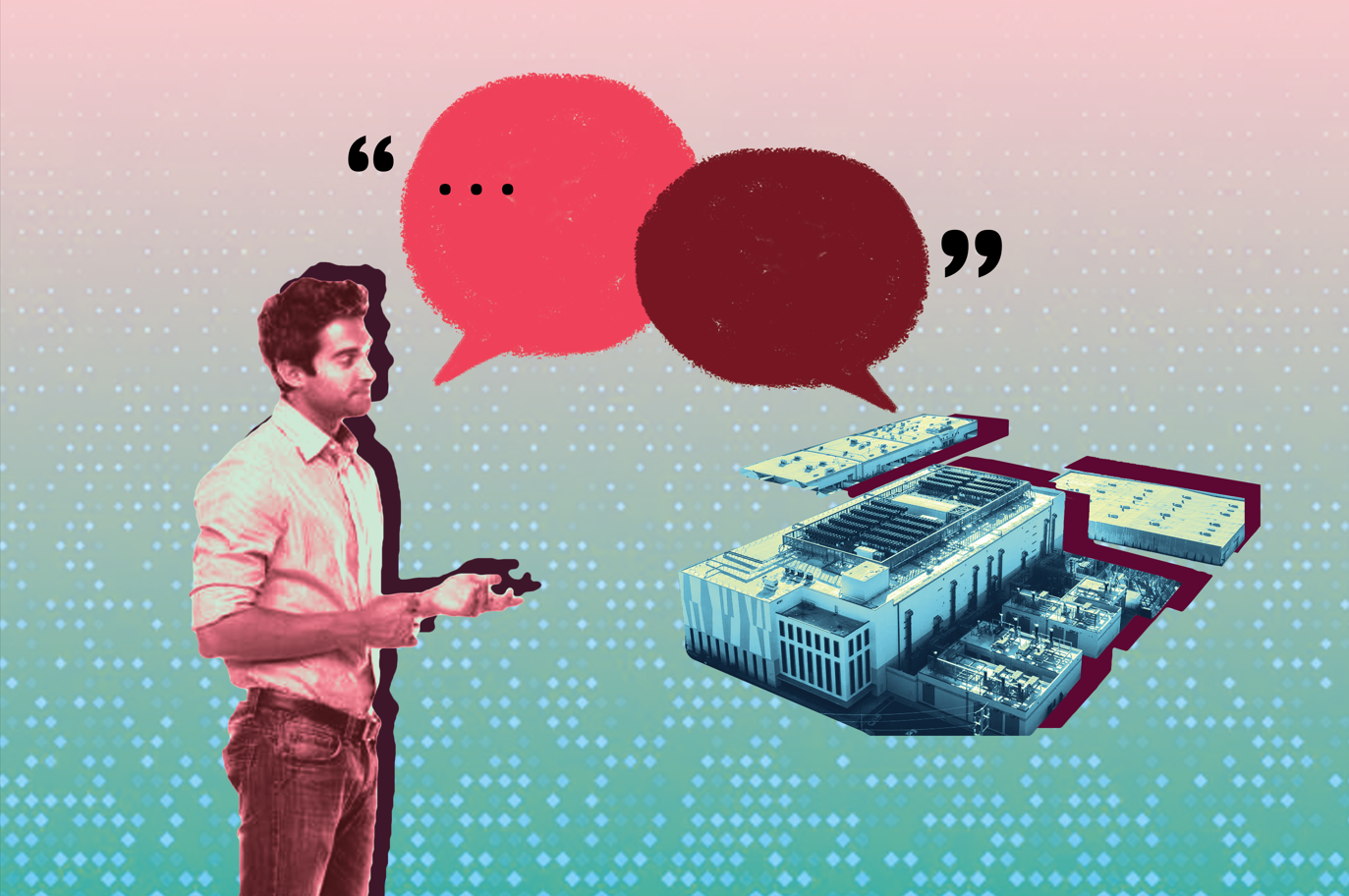
The internet is rapidly becoming a web of human and artificial interaction as artificial intelligence becomes more common in online discourse. The internet is dying, and the concept as we knew it might already be dead. 

This concern isn’t new; internet users have long questioned whether bots increasingly shape online conversations and direct attention toward specific topics. Known as the dead internet theory, the idea suggests that much of the internet, particularly social media, is dominated by nonhuman activity.

As AI-generated content and automated accounts become more common, the internet is becoming less about genuine human interaction and more about algorithms designed to influence what we see, think and engage with. The dead internet theory raises an important question: how much control do users actually have over their online experiences?

Who is really online?

The internet was developed to make information and communication globally accessible, creating opportunities for work, socialization and digital third spaces. However, as the global social, economic and political landscape evolved, the internet’s broader ramifications became increasingly concerning. 

According to the Thales Bad Bot Report, automated bots accounted for 53% of internet traffic. Bots are automated software applications that execute tasks on the internet, which can be beneficial or malicious. 

Bots use scripts and algorithms to perform automated tasks, including generating content, interacting with users and distributing information. This also leads to the homogenization that we now see in the circulation of similar discourse on apps like Instagram, Facebook, X and TikTok.

Typically, it’s pretty easy to tell the difference between a bot and a human online. But if you’ve ever come across those animated history videos on TikTok, take a closer look at the accounts posting them. You’ll often find hundreds of videos using the same simple animation style, with some accounts posting at least 20 videos a day. Even the stories tend to follow similar plots.

The same could be true for those YouTube videos you leave playing in the background while studying or falling asleep. What seems like ordinary content could actually be mass-produced and uploaded by automated accounts run by people trying to make a quick buck.

As corporations increasingly rely on algorithms and AI-generated content, online engagement becomes less about genuine conversations and more about attracting views, encouraging consumption and keeping users on their platforms.

This may prompt one to ask what the narrative is and where the intent lies, especially when AI-designed discourse may manufacture consensus, provoke division or manipulate public perception.

Who is controlling the content?

It matters who controls an algorithm, where its information comes from and how that information makes its way onto your For You page. Automated content can be influenced by information collected through cookies, online interactions and other forms of data tracking, often without users fully understanding how their information is being used. 

What’s even more concerning is how that data can be used to predict your interests, beliefs and online behavior. With this method, algorithms can predict what conversations and content may rile you, prompting interaction. 

Though curated media may benefit you, the content you encounter online may not reflect genuine human activity. This raises concerns about how much control users actually have over their online experiences, especially as algorithms increasingly determine what they see. 

Google now displays AI Overviews in some search results, placing AI-generated summaries above traditional website links. Meta has also faced backlash for using personal content to train AI models, expecting users to opt out rather than giving explicit consent beforehand. 

The debate between AI optimists and skeptics ultimately comes down to one question: At what point do AI’s benefits stop outweighing the social costs of integrating it into everyday life?

The dead internet theory may sound like something out of a science fiction movie, but its underlying concerns are becoming increasingly relevant. As AI-generated content becomes harder to distinguish from human creativity, we should question how much of what we see online is genuine and how much is designed to keep us scrolling.

The internet was created to connect people, share ideas and make information more accessible. But when algorithms and automated accounts begin to dominate those experiences, we risk losing the very thing that made the internet valuable in the first place: human connection. The internet may not be dead, but if we aren’t careful, we could end up spending more time interacting with machines than with each other.

opinion@thedailycougar.com

—
“The Internet is talking, but is anyone there?” was originally posted on The Cougar

Posted in UncategorizedComments Off on The Internet is talking, but is anyone there?

Texas has gone blue, but is it a new hue?

Lily Huynh/The Cougar

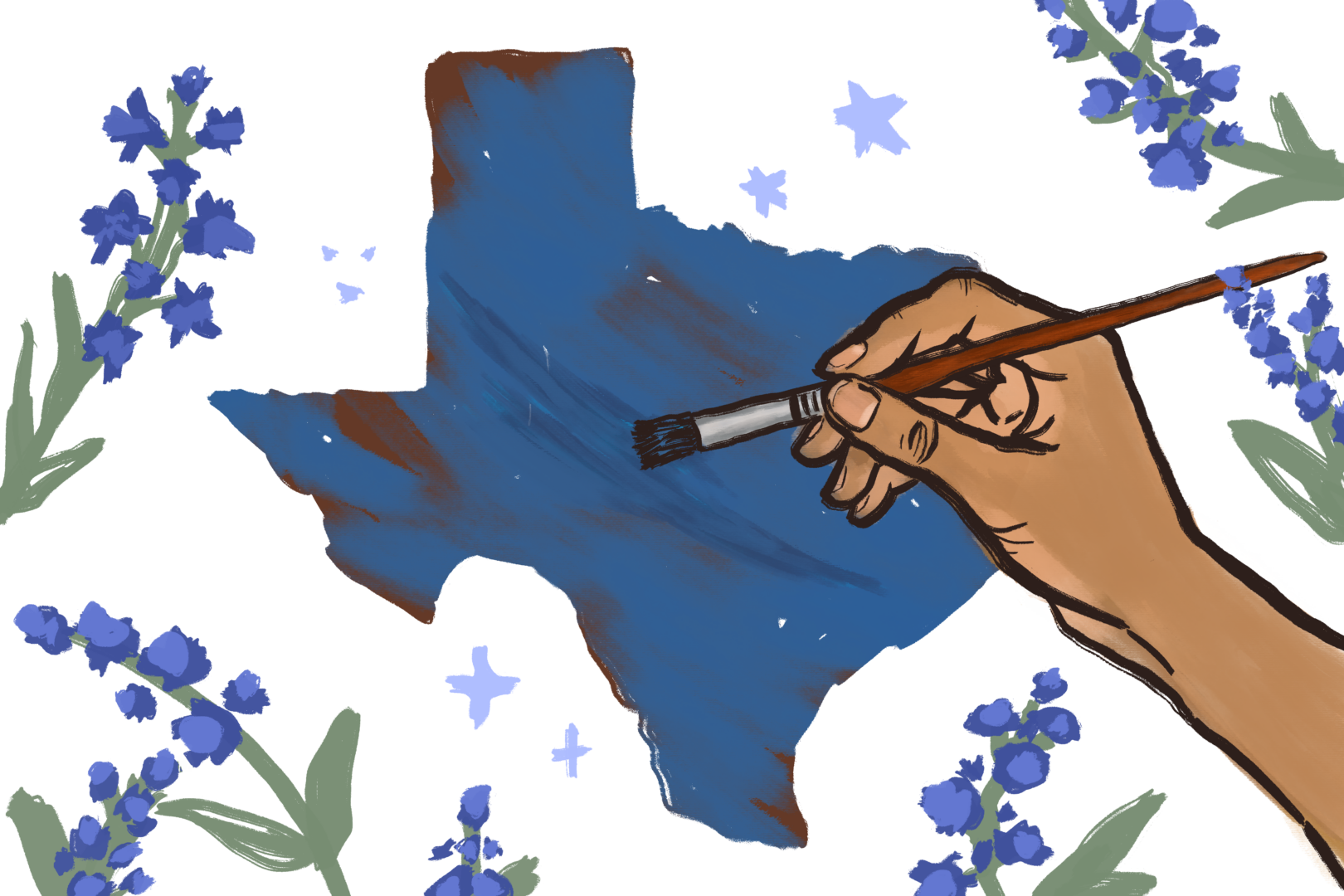
For decades, Texas has been known as a Republican stronghold. But after the 2026 midterm elections, the state’s political landscape looks very different.

With Gina Hinojosa elected governor and James Talarico headed to the U.S. Senate, Democrats have broken a decades-long pattern of Republican victories in major statewide races. Other statewide offices also shifted toward Democrats, raising questions about what this election means for Texas’ political future.

Winning an election, however, is only the beginning. Democrats now face the challenge of turning campaign promises into meaningful changes for Texans.

Texas has changed its colors, but can it change its politics?

Let’s talk politics

Voters have spoken and rejected the state’s political leadership, but they still haven’t agreed on a shared ideological vision. A voter concerned about the cost of living and immigration, another concerned with reproductive rights and another frustrated with public education may all end up at the same ballot box for different reasons. 

In Charles Osgood’s The Responsibility Poem, the irony is that voters have assigned responsibility to newly elected officials who cannot fully determine whether political change will last. Legislators, courts and local governments all play a role in sustaining change in governance systems. 

Voting against an administration differs from voting for a particular vision of its replacement. The former can unite an electorate temporarily, while the latter requires a more deliberate political consensus. 

Even with Democrats winning major statewide offices, political change won’t come easily. Republicans still control the Texas Senate, meaning the incoming administration will need support beyond its own party to pass legislation. Winning over voters was one challenge. Turning those victories into policy will be another.

James Talarico and Gina Hinojosa, alongside the other newly elected Democrats, now have the opportunity to make their governance reflect the promises that brought them into office. With the 2028 election approaching, the administration has a limited window to show that its campaign commitments can translate into tangible improvements in Texans’ lives. 

The ballot box reflected not necessarily a unified vision of what Texas should become, but a collective expression of what many voters no longer wanted it to be.

Optimism or skepticism?

Can Democrats give voters a reason to keep the state blue? What precisely are they offering in return? According to Texas Public Radio,  “More money for public schools. Changes to Texas’ school voucher program. Expanded healthcare coverage and lower property taxes for homeowners.”  

Danielle Casarez Lemi, a fellow at Southern Methodist University’s Tower Center, argues that Democrats must connect their proposals to voters’ financial realities and show how expanded healthcare coverage and higher wages could make everyday life more affordable. 

UH political communication professor Nancy Sims offers a more measured interpretation, arguing that voters did not necessarily endorse a liberal agenda but instead supported a broad coalition of candidates for different reasons. 

Both commentaries highlight the difficult balance Democrats will face when lawmakers return to Austin in January. They must advance the promises that brought them into office while negotiating the compromises needed to turn those promises into legislation. 

Still, Texas turning blue represents an opportunity worth taking seriously, even if it’s too early to call an overall political realignment. This election’s significance will depend not only on who won office, but on what those elected choose to do with the responsibility entrusted to them. 

Perhaps the most reasonable response to this election is neither unqualified optimism nor outright skepticism, but an expectation that those elected will give Texans a reason to believe their votes mattered.

opinion@thedailycougar.com

—
“Texas has gone blue, but is it a new hue?” was originally posted on The Cougar
Posted in UncategorizedComments Off on Texas has gone blue, but is it a new hue?

Texas has gone blue, but is it a new hue?

Lily Huynh/The Cougar

For decades, Texas has been known as a Republican stronghold. But after the 2026 midterm elections, the state’s political landscape looks very different.

With Gina Hinojosa elected governor and James Talarico headed to the U.S. Senate, Democrats have broken a decades-long pattern of Republican victories in major statewide races. Other statewide offices also shifted toward Democrats, raising questions about what this election means for Texas’ political future.

Winning an election, however, is only the beginning. Democrats now face the challenge of turning campaign promises into meaningful changes for Texans.

Texas has changed its colors, but can it change its politics?

Let’s talk politics

Voters have spoken and rejected the state’s political leadership, but they still haven’t agreed on a shared ideological vision. A voter concerned about the cost of living and immigration, another concerned with reproductive rights and another frustrated with public education may all end up at the same ballot box for different reasons. 

In Charles Osgood’s The Responsibility Poem, the irony is that voters have assigned responsibility to newly elected officials who cannot fully determine whether political change will last. Legislators, courts and local governments all play a role in sustaining change in governance systems. 

Voting against an administration differs from voting for a particular vision of its replacement. The former can unite an electorate temporarily, while the latter requires a more deliberate political consensus. 

Even with Democrats winning major statewide offices, political change won’t come easily. Republicans still control the Texas Senate, meaning the incoming administration will need support beyond its own party to pass legislation. Winning over voters was one challenge. Turning those victories into policy will be another.

James Talarico and Gina Hinojosa, alongside the other newly elected Democrats, now have the opportunity to make their governance reflect the promises that brought them into office. With the 2028 election approaching, the administration has a limited window to show that its campaign commitments can translate into tangible improvements in Texans’ lives. 

The ballot box reflected not necessarily a unified vision of what Texas should become, but a collective expression of what many voters no longer wanted it to be.

Optimism or skepticism?

Can Democrats give voters a reason to keep the state blue? What precisely are they offering in return? According to Texas Public Radio,  “More money for public schools. Changes to Texas’ school voucher program. Expanded healthcare coverage and lower property taxes for homeowners.”  

Danielle Casarez Lemi, a fellow at Southern Methodist University’s Tower Center, argues that Democrats must connect their proposals to voters’ financial realities and show how expanded healthcare coverage and higher wages could make everyday life more affordable. 

UH political communication professor Nancy Sims offers a more measured interpretation, arguing that voters did not necessarily endorse a liberal agenda but instead supported a broad coalition of candidates for different reasons. 

Both commentaries highlight the difficult balance Democrats will face when lawmakers return to Austin in January. They must advance the promises that brought them into office while negotiating the compromises needed to turn those promises into legislation. 

Still, Texas turning blue represents an opportunity worth taking seriously, even if it’s too early to call an overall political realignment. This election’s significance will depend not only on who won office, but on what those elected choose to do with the responsibility entrusted to them. 

Perhaps the most reasonable response to this election is neither unqualified optimism nor outright skepticism, but an expectation that those elected will give Texans a reason to believe their votes mattered.

opinion@thedailycougar.com

—
“Texas has gone blue, but is it a new hue?” was originally posted on The Cougar

Posted in UncategorizedComments Off on Texas has gone blue, but is it a new hue?