Author Archives | Erica Yun

Film review: ‘Tron: Ares’ chases after franchise success

“Tron,” a cult classic and fan-favorite franchise, returns with a new installment. “Tron: Ares,” the newest addition to the series, stars Jared Leto as the titular Ares, Greta Lee as the renowned programmer Eve Kim and Evan Peters as Jullian Dillinger. Ares, a sophisticated computer program, enters the real world to carry out a vital mission. While the film gained attention for releasing almost 15 years after the last movie, it failed to live up to the charm of the others in the franchise. 

The best part about the movie is its soundtrack. One of the reasons its predecessor, “Tron: Legacy,” is still talked about is because of its score by Daft Punk, and “Tron: Ares” continues this tradition. The new film was scored by the rock band Nine Inch Nails, led by Trent Reznor and Atticus Ross. 

Reznor has been composing for films consistently since the 1990s, with his latest and most notable work being the soundtrack of “Challengers.” Fans were excited about this new addition since their expectations were high after Daft Punk. Nine Inch Nails did not disappoint. “Tron: Ares” is filled with electrifying sounds and a buzzing score that fits with the action of the film. 

In the science fiction genre, visuals are an important part of the overall mood of the film. “Tron: Ares” builds their world with a city skyline and a bright, neon red color that is highlighted throughout the entire movie. With red being almost everywhere — from the characters’ uniforms to their weapons and bikes — the film is visually striking.

However, the storyline unfortunately fell flat. The film revolves around Ares, a computer program with high artificial intelligence, who is sent into the real world by Jullian Dillinger to retrieve crucial code. During this process, Ares experiences a change of heart as he learns more about humanity and what it means to be a human. 

While the message and premise of the film suggest a classic, heartwarming sci-fi about the value of real-world experiences, its execution tells a different story. The only hints that the audience gets as to why Ares suddenly decides to defect from his creator are through his interactions with Eve, the programmer who opposes Dillinger. Ares sees Eve’s concern for him despite her barely knowing him and the fact that he is not human. However, this tender moment is cut short by car chase scenes, and the feeling is never expressed again through longer dialogue. 

The casting choices also shape much of the movie’s overall impact. Jared Leto is very outwardly the main character of the movie. He gets the best lines and most dynamic stunts. It’s hard not to feel like “Tron: Ares” exists mainly to showcase Leto as a flawless, larger-than-life hero. Despite the fact that Leto takes up most of the screentime, his performance as Ares is not linear; he fails to bring the emotional impact he could have as an AI program discovering the values of humanity. 

If viewers are looking for a thrilling action movie with vivid visuals, “Tron: Ares” may be enjoyable. However, in today’s technological environment where AI is a reality in many people’s lives, the movie fails to impactfully deliver its theme of the importance of empathy. While the “Tron” franchise holds a special place in many fans’ hearts, “Tron: Ares” doesn’t quite have the same spirit as the others.

The post Film review: ‘Tron: Ares’ chases after franchise success appeared first on Technique.

Posted in UncategorizedComments Off on Film review: ‘Tron: Ares’ chases after franchise success

AI is not a friend —please talk to real people

Recently, I read an article about how some people found new breakthroughs in dating with their AI partners. This floored me. I haven’t met anyone in real life who uses ChatGPT for this purpose, so at first I dismissed it as something so extreme that news outlets just needed to report on it. However, more and more people have admitted they use ChatGPT as a therapist, telling the service about their woes and worries in exchange for comfort or validation. 

What’s even more disturbing is that these concepts are becoming actual business ideas. An ad recently popped up in New York City subways for some product simply dubbed “Friend.” The brand marketed a necklace that acted as your companion. The user would talk to this necklace, and it would respond back with the help of AI. Frankly, it’s very dystopian and creepy. Because the service is AI and not an actual human, any interactions with it are inherently one-sided. 

These “Friend” necklaces work by collecting data from the user’s personal life. Once the user speaks into it, the necklace is supposed to send a text that responds to whatever the user said. Not only does this system hard-launch surveillance into your daily life, it also doesn’t work properly. 

The increased use of chatbots as a friend or companion traps people in their own minds — these models tend to agree with the user. A lot of people nowadays are disillusioned with real-life happenings around the world. It gets tiring to hear about bad news, and even more tiring when someone doesn’t agree with your views or tries to argue with you. But that fatigue shouldn’t be the reason why someone isolates themselves to the web. 

The varieties of opinions that exist in real life is precisely the reason why more people should interact with each other. By conversing with others, you can grow your own thoughts and either learn something new or solidify your values on a matter. Talking to AI won’t do that. Sure, you might be able to ask it to act mean or be brutally honest, but at the end of the day, it’s a business model that wants the consumer to keep interacting with it. While AI services pull from the internet in their responses, it will ultimately be catered to user inputs. 

While this phenomenon of people using chatbots in the place of actual human connection isn’t too widespread, it’s still concerning that the idea of a ChatGPT friend exists. By favoring to “talk” with AI instead of a real person, people are trapping themselves in an echo chamber without any productive interactions. Besides, with the “loneliness epidemic” that especially affects  younger populations, going outside and actually communicating with real humans might be the cure. I know that the internet has a lot of negative opinions, and it’s quick to judge someone, but I believe that face-to-face interactions result in genuine reactions. Talking to real people might not give you the answer that you want, but it will give you a real connection.

The post AI is not a friend —please talk to real people appeared first on Technique.

Posted in UncategorizedComments Off on AI is not a friend —please talk to real people

Patagonia’s Fix-It Fest hosts Lunar Vacation

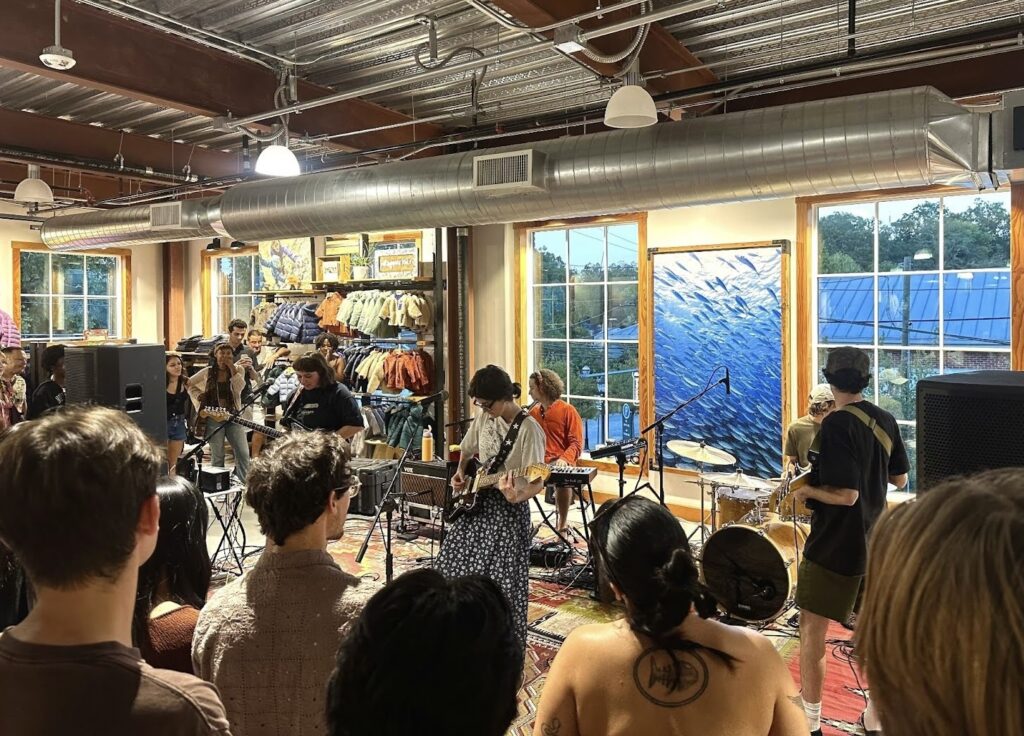
On Sept. 13, Patagonia’s Beltline location presented the Fix-It Fest,a display of local Atlanta businesses and non-profits that focus on repair and sustainability. The store had many sustainability-focused activities for visitors to utilize including shoe, clothing and bike repair offerings. 

The event had a plethora of repair demonstrations and workshops both inside and outside of the store. Outside, many patrons brought their bikes for small repairs. A few booths from local businesses littered the walkway including the Bakery Atlanta’s booth which gave children the opportunity to create felt patches and display them on a wall. Meanwhile, Atlanta ToolBank helped guests build bird houses. 

Inside, shoppers brought ripped and worn clothes for fixing. Seamstresses from Topstitch Studio sat at tables, mending many different items from shoppers such as tees, pants and jackets. There were small sewing kits sold at the front of the booth for those without their items and shoppers who were looking to repair more at home. 

Between the clothing sections stood a table with a collection of shoes including loafers and boots with the soles taken off. Although no shoe repairs were done at the Fix-It Fest, Village Shoe Service demonstrated shoe-fixing techniques and handed out rivets, tools and leather sole keychains for customers to take home. 

Towards the front of the store, a Patagonia employee painted designs on shoppers’ clothing where guests got to bring a piece of clothing, choose a design and pick a color. They then watched as the employee used a fabric-printing process to display the custom design. Some of the clothing brought to the booth was as thin as a cotton tank and as thick as raw denim. The printing was versatile and long-lasting, satisfying the long line of shoppers. Afterwards, the shirt was placed on a shelf to dry and could be picked up by the patron after an hour. This way, they could ensure the design was not ruined by smeared paint. 

Not only did Patagonia host the repair event, they also provided space for Lunar Vacation to perform as a part of Fix-it-Fest. Lunar Vacation is a local Atlanta band with hit songs such as “Blue Honey” and “Unlucky.” As audiences wrapped around the store, Patagonia reopened its doors around 7:30 p.m. The band showed up soon after as the crowd cheered for their appearance. Because of the store’s location and space, the event fostered an intimate environment where Lunar Vacation and their audience were face-to-face. 

Lunar Vacation played a total of 14 songs that spanned across their EP and three albums. These included their previously mentioned songs and newer tracks from their album, “Everything Matters, Everything’s Fire,” which was released last year. The crowd listened to every track with attention and clear love for the band, which created a warm atmosphere for everyone involved. 

After the end of the show, lead singer Gep Repasky and guitarist Maggie Geeslin gave fans a chance to speak and take photos with them. When asked about their Atlanta heritage, they replied, “It feels really nice…like we’re just back home. It’s very comforting.” Repasky also mentioned that she used to work at the Patagonia store and how welcomed she felt. As an Atlanta-based group, the duo also shared their favorite restaurant on the Beltline: Delbar. 

Lunar Vacation plans to continue their music with another album that will be mostly self-produced. “We’re excited to do it, but we don’t really know what we’re gonna do. But the unknown is exciting,” said Repasky. Lunar Vacation’s albums span across multiple genres, from bedroom indie-pop to the more recent, experimental songs. The band expressed their passion for music, adding that the recording is set to take place in Georgia, as a testament to their roots.

To catch live music and enjoy local activities, make sure to visit the Atlanta Beltline and The Krog District’s page for upcoming events.

The post Patagonia’s Fix-It Fest hosts Lunar Vacation appeared first on Technique.

Posted in UncategorizedComments Off on Patagonia’s Fix-It Fest hosts Lunar Vacation

Atlanta just got sweeter with MODA’s ‘Bittersweet: The Design of Chocolate’

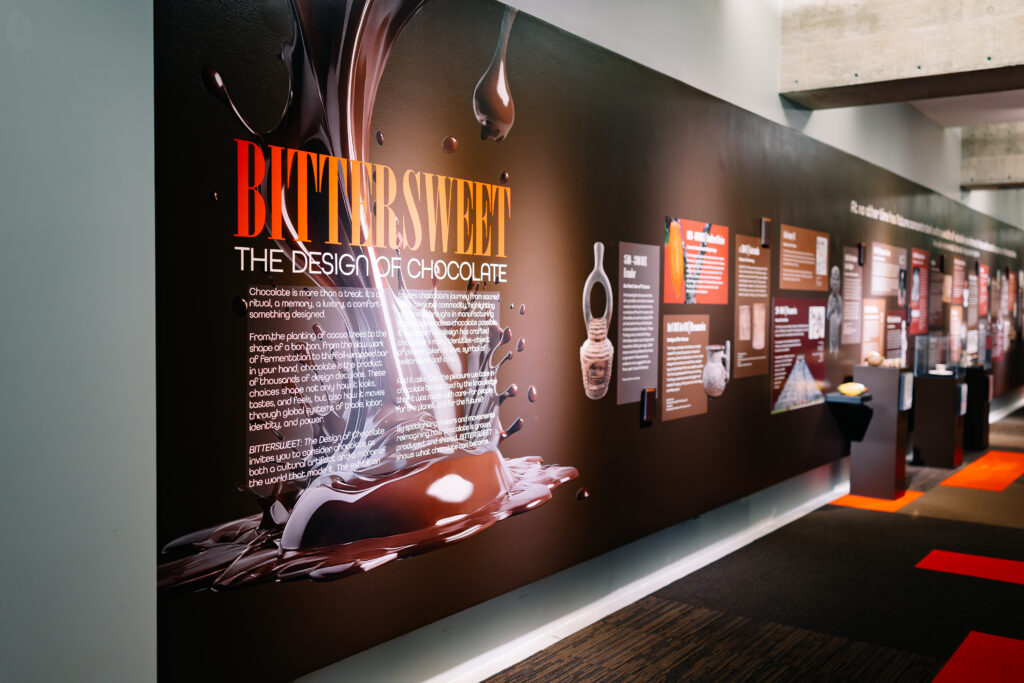
Although the exhibit is called “Bittersweet: The Design of Chocolate,” the Museum of Design Atlanta’s (MODA) latest display is anything but bitter. “The Design of Chocolate” takes its audience on a journey through the many different aspects of chocolate, including its history, process and, of course, the taste of the sweet treat. 

The first thing on display at the exhibit is the timeline of chocolate. While modern audiences may think of Hershey’s or other corporate brands, the history of chocolate actually starts hundreds of years prior. The timeline begins in Mesoamerica, where chocolate was first used in its fruit form. Interestingly, the ancient civilizations consumed chocolate in a liquid form, almost like the hot cocoa drink of today. It was treated as a luxury item and was offered in rituals and important events. Then, during the colonization of South America by Europeans, chocolate began to spread worldwide. 

The exhibit makes sure to note every aspect of its complicated history, including the slave labor involved in making some of the chocolate. The timeline then focuses on the U.S. and the development of the chocolate bar, chocolate cookies and other treats that emerged from the rise of corporations in the candy business. Throughout the walkthrough, pictures and displays of historical items further viewers’ engagement with the exhibit.

MODA also provides a display of machines used to produce chocolate bars throughout the ages. As the viewer walks through the steps of picking, grinding and stirring the cacao nibs, they can also see the progression of the technology of chocolate making. From a manual cracker to a mechanical grinder, the effort and dedication that goes into crafting a bar of chocolate is clearly articulated. 

One of the most unique parts about “Bittersweet: The Design of Chocolate” is that they offer a taste test of chocolates. Not only are the attendees walking through the process of making chocolate, they get to try a few bites of the final product. The exhibit offers three squares to each attendee, and they encourage the taster to guess the undertones of the chocolate in a similar way to wine tasting. 

What makes this experience memorable is the fact that none of the chocolates had any additives. While some of the bars sold in stores may have flavors such as raspberry or coffee, these are added into the chocolate. However, the pieces of chocolate that the exhibit provides are from a small “bean-to-bar” company, which means that they oversee every step that goes into making the chocolate. It also means the chocolate’s flavors come directly from the cacao fruit itself, rather than from an artificial add-on. Some of these flavors include a range of fruity, bitter or creamy tastes.

The exhibit partnered closely with many of Atlanta’s local chocolatiers to create the display. The chocolate used during the tasting comes from Xocoatl, a business founded by a couple from Atlanta. Other businesses featured include Lewis Pogue Chocolates, JARDI Chocolates and Cocoatown. All of these businesses stand out in different ways: Lewis Pogue Chocolates is introduced as a delicacy; JARDI Chocolates specializes in bonbons; and Cocoatown makes the machines used to produce the chocolate. This collaboration allows the museum to pull in a more local flavor for the display.

In the heart of Atlanta, MODA displays a diversity of unique exhibits. “Bittersweet: The Design of Chocolate” is one of many of their delightful displays, which attendees can experience until Oct. 12. Make sure to catch this treat before it melts.

The post Atlanta just got sweeter with MODA’s ‘Bittersweet: The Design of Chocolate’ appeared first on Technique.

Posted in UncategorizedComments Off on Atlanta just got sweeter with MODA’s ‘Bittersweet: The Design of Chocolate’

‘The Fantastic Four: First Steps’ stretches its limits

The Fantastic Four are revived once more in Marvel’s newest “The Fantastic Four: First Steps.” Rising stars take on the role of the superhero family: Pedro Pascal (“The Last of Us”), Vanessa Kirby (“The Crown”), Ebon Moss-Barach (“The Bear”) and Joseph Quinn (“Stranger Things”). The Fantastic Four set off to save Earth from potential doom after being threatened by an intergalactic figure, Galactus. In the process, they meet the mysterious Silver Surfer (Julia Garner). The Fantastic Four learn how to deal with cosmic threats as they adjust their family ideals. 

Matt Shakman directs “The Fantastic Four” as a relative Marvel newcomer. Previously, he led “WandaVision,” a show on Disney Plus. While he has numerous TV credits, Shakman only has one other film directing credit, “Cut Bank.” However, Shakman‘s directing is smooth and easy to follow.

In addition, this version of the comic book superheroes is not their first on-screen representation; there were previous renditions in 2005 and 2015. Even before the trailer was released, there were concerns among fans on whether or not 2025 was the year the Fantastic Four finally got good movie representation. 

The strongest aspect of the movie is its aesthetic. To differentiate itself from the previous “Fantastic Four” movies, “First Steps” takes place in a retro-futuristic New York City with a 1960’s style permeating the film. The movie dedicates itself to this theme, from the civilians’ wardrobes down to the theme song and opening title cards. The setting is a revitalizing change of scenery to the franchise, and its uniqueness manages to upgrade the movie’s quality and gives audiences a novel viewing experience. 

Compared to the film’s radical style, the graphics are not quite up to standards. Most notably, Moss-Barach’s character, The Thing, is a superhuman with rock-like skin. In order to create this appearance, the film used motion capture instead of practical effects. He doesn’t fit in with the background, and his interactions with other characters feel clunky. While there are ways to make motion capture look seamless, The Thing’s CGI is less than solid. In addition, Reed Richard’s stretchy superpower is barely shown on screen, even in the action scenes where his power is needed. This insufficient CGI hurts viewers’ ability to immerse themselves in the film.

Not only is the CGI mediocre, but the chemistry between the actors is less than stellar. Each individual of the main cast definitely shines in their former projects, but together in this movie, the familial bond is absent. The love that the Fantastic Four receives is directly related to their kinship. Between the four, Johnny Storm (Quinn) and The Thing (Moss-Barach) exude the most realistic chemistry. The overall lack of real connection between the characters results in a story that feels empty. The Fantastic Four might be dysfunctional at times, but they are supposed to come together in moments of crisis. The new cast felt like they met each other a week ago before diving into saving the city. 

In addition, the choice to skip over the origin stories of the heroes was notably missing. While Marvel fans are most likely aware of how the characters got their fantastic abilities, casual movie-goers might not, considering that the previous “Fantastic Four” movies weren’t huge critical successes. The choice is understandable, as it reduces redundancy and gets straight into the plot. However, properly introducing the four characters first could have given depth to  their interactions with each other and their newfound identity.

Even with all of its ups and downs, “The Fantastic Four: First Steps” is a refreshing Marvel movie. However, the film might have more missteps than successes. Fans looking for action will be disappointed at the lack of fight scenes, and others looking for a familial chemistry won’t find it with this new cast. In addition, the underdeveloped CGI makes audiences question if this movie was really made in 2025. 

Because “Fantastic Four” is the movie leading Marvel into Phase 6, the expectations were extremely high. Unfortunately, the film is not quite fantastic enough to exceed this bar of expectation.

The post ‘The Fantastic Four: First Steps’ stretches its limits appeared first on Technique.

Posted in UncategorizedComments Off on ‘The Fantastic Four: First Steps’ stretches its limits