Author Archives | Alex Nagy

Dealing with a full-time co-op

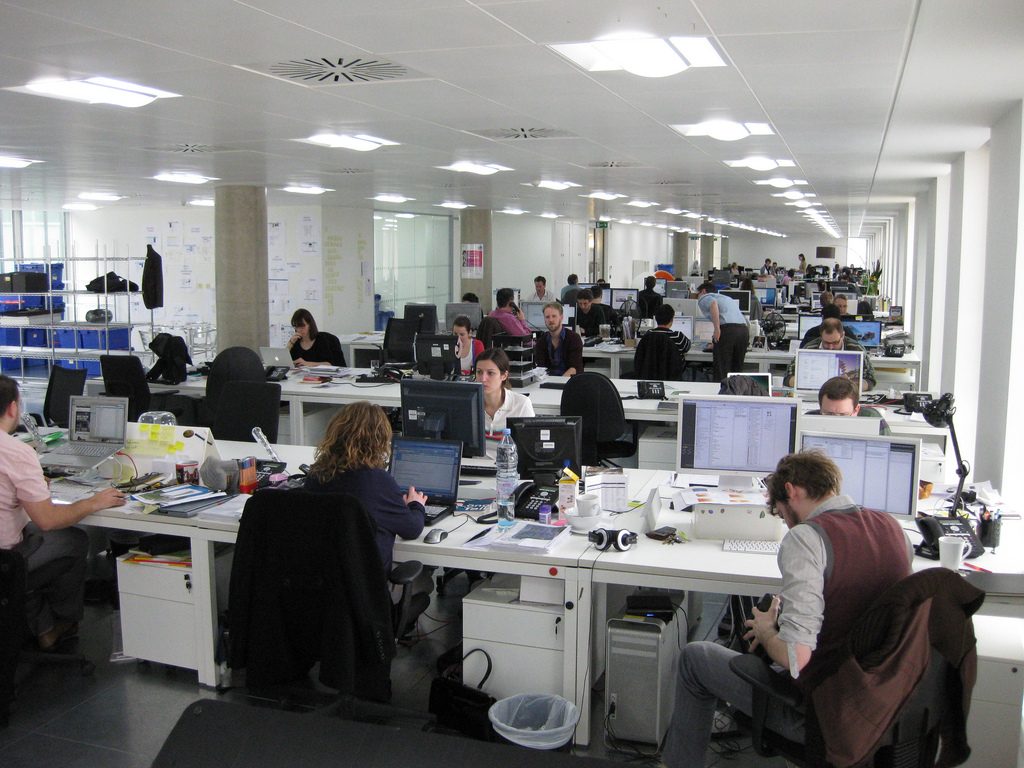
Photograph courtesy of Phil Whitehouse at Flickr

For the past two terms, I have been working at my first co-op which has also been my first traditional 9 a.m. to 5 p.m. office job. When I accepted the job I was incredibly excited. I had a busy interview process, and this specific job was my top choice by far. After the initial rush of getting my ideal first co-op, a small shadow of doubt crept over my elation.

“How would I operate in a traditional office?” “Is 9 a.m.- 5 p.m. as bad as people say?” “Will I become a full-time corporate robot slug doing the same exact thing every day?”

All these worries floated around my brain for the couple months between accepting and starting at my job. Though I was slightly apprehensive, I went into the first day with a completely open mind, willing to try this new schedule and briefly break away from student life. After six months, I can confidently say that working in an office for 40 hours a week did not kill me. The whole experience was overall very positive. I love what I do there, and getting to work with amazing people every day was the best part of my experience, but there are a few drawbacks.

The biggest takeaway was the time commitment. Working for eight hours a day can be an interruption to other activities and draws you away from being as involved on campus. Towards the beginning of fall term, I would go to work, come back completely exhausted, eat and then be completely unproductive before going to bed. It took a while to adjust myself to the schedule, get time to relax and be productive outside of work. To get my time together and feel like I had more control over the week, I started planning everything almost down to the hour. On Monday, I would try to lay out what I want to do at the end of every workday. Micro-managing myself took some getting used to, but it’s better than the week flying by without using my free time.

Working in the same place every day can also be tough. Last year I would go to classes in different buildings, do my homework at Saxbys or the library and hang out with my friends in Towers. I moved around all day and never worked in one spot for more than a couple hours. The first couple of months of co-op, it was pretty hard to stay focused. To combat lack of motivation, I try to work in different locations around the office. This might not be possible if your specific office uses desktops instead of laptops, but if you have the opportunity to move around I highly recommend it. Something as simple as having a different view for a couple hours changed my workflow completely throughout the day.

One thing I didn’t expect from an office job were physical changes. Sitting at a desk all day is a big shift from walking around campus constantly, so getting in as much movement as possible is essential. I make random excuses to get up and walk around like filling my water bottle, getting another cup of coffee or just stretching my legs. I also try to switch up my commute and get off at an earlier SEPTA stop to walk more or just have a change in routine. Another big shift was how work would affect my eyes. If you are going to be working at a computer for most of the day, I highly recommend getting glasses that filter out blue light to save yourself from screen headaches. Before I got glasses, my brain would feel a little fuzzy after looking at my computer all day so any protective wear to prevent that is worth a purchase.

Now that my six months is coming to a close, I have gotten used to working in a traditional office, and there are aspects I will miss once I’m back in class. Coming in to work at 9 a.m. and saying hi to people around the office while making my first cup of coffee is a routine I will definitely miss during spring term. The biggest perk in office life is spending the day with awesome people. Before co-op, I had work friends but our shifts would be different every week so sometimes we wouldn’t see each other for weeks on end. At the office, however, I know I’m going to work with the same people five days a week, and having that guarantee is a big comfort.

I have a word of advice to anyone embarking on their first full-time co-op: it is not as bad as it may seem. A job is what you make of it, and finding time to take small breaks during the day makes a huge difference in how the weeks go by. Remember to keep moving, stay hydrated and have playlists or podcasts at the ready to keep yourself entertained if you have a massive solo project. Try to have as many office buddies as possible; they make the biggest difference at any job and make the days move much faster.
Posted in UncategorizedComments Off on Dealing with a full-time co-op

Take more morning walks to take care of your mind

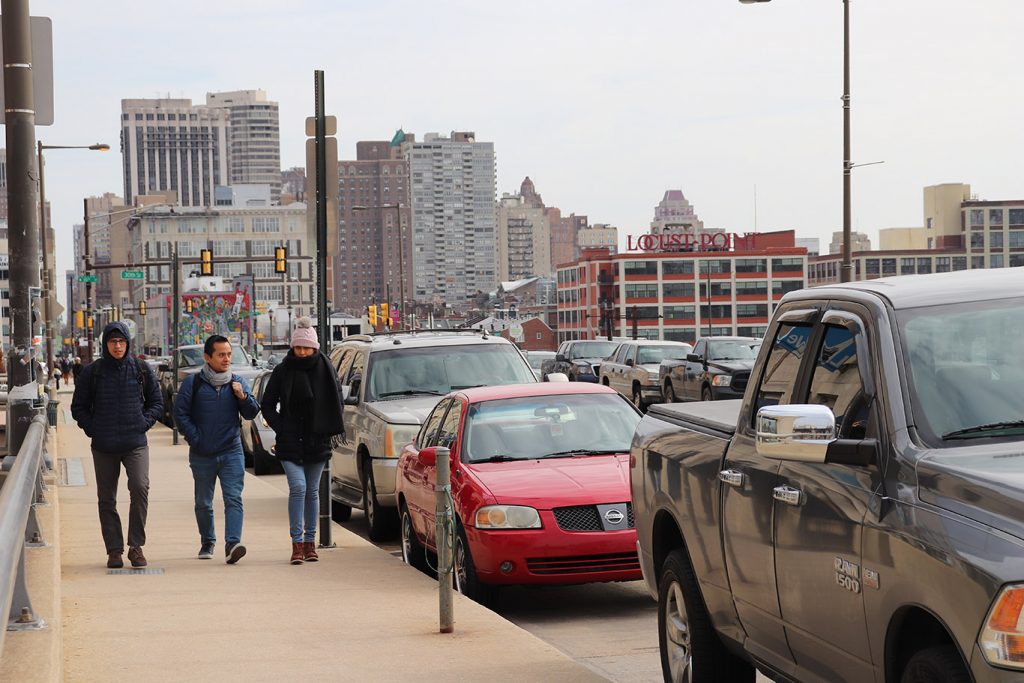
Photograph by Alex Pachkowski for The Triangle

One of the most crucial lessons co-op has taught me is that going on a morning walk is something that I should have been doing for a while now. I’ve come to discover that the feeling of being outside with the sun’s rays on me just a little after waking up is something that I enjoy a great deal, and I feel that it is something everyone should try to incorporate into their mornings, if possible.

I’ve found that being outside early improves my general mood throughout the rest of the day, especially if it’s a weekday when I have work. It helps make sure that I am fully awake as well, because generally speaking, I’m not fully awake when I first get out of bed. It takes me a bit to fully get going, and I’m sure other people experience the same feeling.

Going out for a walk in the morning gets your body active, and that alone is sometimes enough to fully wake a person up. It is also a great way to get exercise. You don’t have to walk to a gym or get on a treadmill, and it’s completely free of cost. You also get the added benefit of a nice view depending on where your walk takes you.

Going on a morning walk does more than just wake you up and provide exercise. One of the most important reasons that I do it is because it gives me lots of time to think. If you’re the kind of person who’s always lost in their thoughts, then going on a morning walk may be just the thing for you. For me, I find that I’m able to think more clearly when I’m out on a morning walk, so give it a try and see if it works for you as well.

Something else that a morning walk is great for is de-stressing. I can’t think of many better ways to de-stress than to wake up at a reasonable time, put on a pair of headphones or earbuds and go for a walk. It’s the same thing as when people sometimes just go for a drive, and it really does do wonders.

If you’re currently on co-op and you drive, ride a bike or skateboard, or take some form of public transportation, then I would suggest picking a day where you walk to work. I know it sounds like a hassle, and I can completely understand not wanting to walk, especially when it is cold outside and your job is far away, but I still think you should try it at least once to see if it’s for you.

If you’re taking classes, I suggest mapping out a route to walk in the morning before your first class starts. It may sound nice to stay in bed and take the extra hour or so of sleep, but you may find yourself pleasantly surprised. After all, this article is just my way of encouraging you to go out and try something new. It’s up to you to actually go out and do it.

Posted in UncategorizedComments Off on Take more morning walks to take care of your mind

Drexel arts majors work just as hard

There is nothing more infuriating and degrading than the looks, comments and “advice” I receive when I explain to people that yes, I am a communication major at Drexel University. An acceptance to Drexel was a dream come true for me, and whether or not people believe it, I worked just as hard to get in as the engineering, nursing, mathematics and all other students.

I think that people do not respect the arts majors due to sheer ignorance. Most are unaware of the differences in coursework, time and creative power that it takes to be successful as an arts major compared to that of an aspiring engineer or doctor.

Drexel, generally speaking, is known for its prestigious medical school and engineering programs. However, there are students who strive to come here simply for top-of-the-line arts programs including global studies, fashion design, design & merchandising, communication and several others. Someone who studies art is not less of a college student because their major is not as well known or respected by others.

Countless times since deciding to major in communication, I have experienced the same conversation: “Oh, you go to Drexel … are you going to be an engineer or a doctor?” or “Why would you choose communication when you could study business or math … what are you even going to do with that?” The answer to the first question is neither, and the answer to the second is simply no one else’s business but my own. I would assume thousands of other college students in this country can vouch for this too, because it has become so common for people to make crude judgements about arts majors.

It is unfair to make judgements about a person based on school or major. At the end of the day, going to college is an accomplishment, regardless of what subject someone’s passion for learning is.

This prejudice against college students who major in the arts does not only happen at Drexel, but at universities nationwide. It is ironic how people can make snide comments or give “advice” to an individual who chooses to study something other than medicine, business or science, yet they aspire for artistic, aesthetically pleasing Instagram accounts, buy from high-end fashion brands, read blogs or online newspapers and engage in so many activities that would not exist had arts students not developed them. Ignorance is not bliss when it discredits how hard someone is working to earn a degree in a very competitive and rigorous field.

Posted in UncategorizedComments Off on Drexel arts majors work just as hard

NYT v Sullivan shouldn’t be overturned

Photograph courtesy of John Brighenti at Flickr

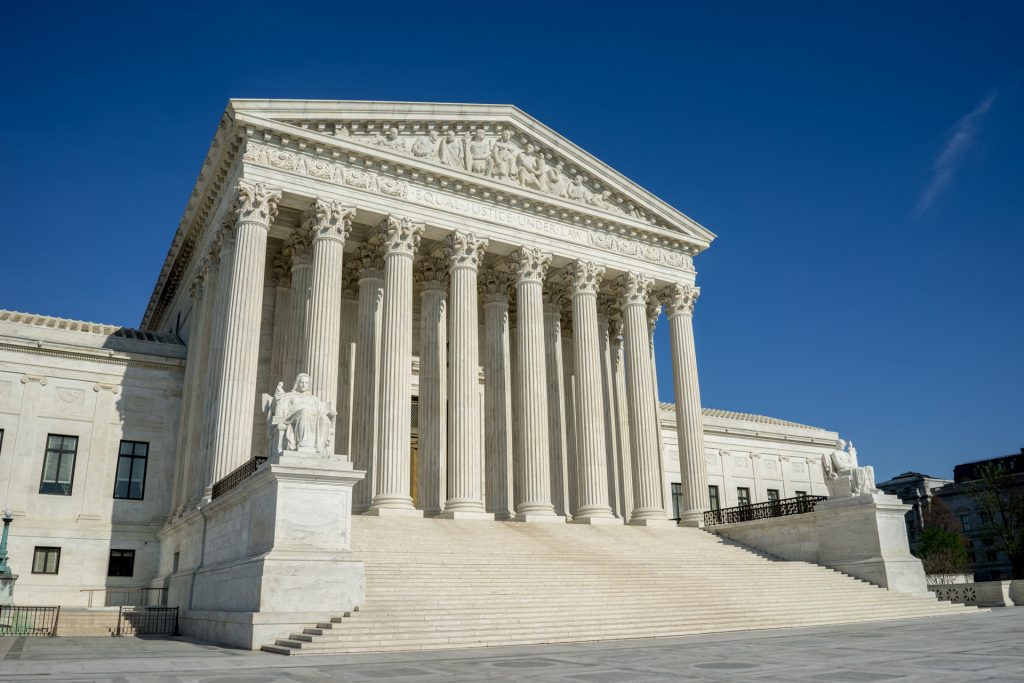
Justice Clarence Thomas recently issued an opinion on revisiting the 1964 New York Times v. Sullivan Case, stating that he did not believe the decision met the original intent of the First Amendment. He challenged the “actual malice” doctrine established in this case, stating that it goes beyond common law malice and is not consistent with an originalist interpretation of the Constitution. This doctrine states that public officials and figures, in cases of libel, must be able to show that the defendant acted “with knowledge that it was false or with reckless disregard of whether it was false or not.” The shift of the burden of proof to the plaintiff has been widely regarded as one of the most important protections for press freedom.

While this decision in particular has been looked down upon by the great originalist Justice Thomas, he has not applied such original interpretation in every case. For example, in Citizens United v. FEC, Justice Thomas did not argue that the nonexistence of corporate personhood during the ratification of the First Amendment barred corporations from its protections. Thomas’s insistence on being a textualist on this case blinds him to the dangers of state power.

“The states are perfectly capable of striking an acceptable balance between encouraging robust public discourse and providing a meaningful remedy for reputational harm,” Thomas said.

It is precisely because the State is incapable of such a decision that NYT v. Sullivan should not be overturned. Public officials, especially, should have to meet a higher burden if they want to seek damages for libel, as they are the agents of state power. If this case were to be overturned, it would create a dangerous opportunity for the State to silence a free press — an important check on its power. This is especially concerning at a time when newspapers are facing financial difficulties, and thus costly legal proceedings can amount to censorship.

There are valid concerns raised by Justice Thomas on the protection of individuals who are considered to be “limited-purpose public figures” and the difficulties they may face in trying to recover for reputational harm. However, such instances are exceptional and should not be grounds to challenge an otherwise excellent decision that has served the public interest. It must be emphasized that NYT v. Sullivan does not prevent private citizens from seeking reputational harm under libel laws.

What makes the United States different, and arguably the freest country in the world in terms of speech, is the First Amendment. However, the First Amendment was not always as broadly interpreted until several important cases such as this in the 1960s. According to Thomas,we did not begin meddling in this area until 1964. He is technically correct, but there are many other important areas that we did not start “meddling” in until the 1960s. Such frail arguments should not be used to overturn an important safeguard on the freedom of the press.

Posted in UncategorizedComments Off on NYT v Sullivan shouldn’t be overturned

Buzzfeed and Vice layoffs are a grim insight into the future of journalism

Photograph courtesy of Drew Angerer at Getty Images/TNS

Over the past two weeks, more than 2,200 people have lost their jobs in an enormous media collapse. While some of the cuts were in print media areas, the most devastating cuts were in the digital media sector, mainly coming from slashes at Buzzfeed, Vice and Huffington Post. Though each company cited different causes for the mass layoffs, most outlets experienced similar troubles with investors, advertising and keeping up readership numbers.

This enormous fall in media is a dark omen for the future of journalism. Witnessing modern, digital savvy giants get knocked after local journalism and print became victims of massive downsizing, there seems to be no area of news untouched by the crushing wave of budget reductions.

Vice announced Feb. 1 that it would be cutting 10 percent of its workforce (250 jobs) after a series of cutbacks. According to the Wall Street Journal, in summer 2017, Vice was valued at $5.7 billion, making it one of the most valued new-media companies. Since that peak, traffic on Vice’s sites has gone down.

Being the edgier news source of journalism, Vice has been a haven for educational content on drugs and their effects on communities, actual relatable pieces for millennials and political coverage on national stories or local pieces that need a mouthpiece. Since the layoffs, the company is planning on shifting towards more film and television content to expand their brand and keep on track with their 2019 budget.

Former Buzzfeed employees began tweeting and posting on Instagram Jan. 25 to inform their followers that they had been laid off, some even adding their business emails at the bottom of the posts hoping to seek new prospects.

Though Buzzfeed has been looked down on for their quizzes and meme-worthy video content, their investigative and long-form news team has been putting out some of the most well-written pieces over their decade long presence. Most recently valued at $1.7 billion, revenue growth has fallen from a pace of 50 percent in 2016 to about 11 percent last year. To make the downsizing even worse, Buzzfeed employees were denied payouts after being laid off, resulting in a push to unionize and scramble to find work just to continue living.

One of the main roots for this slide in media is advertising. No matter how big or small the outlet is, money from advertisers is absolutely essential for a news source to function. Even with the millions of viewers and readers, Buzzfeed and Vice felt the pressure of competing with the likes of Facebook and Google in the world of advertising.

In 2017, Google and Facebook accounted for 73 percent of all U.S. digital advertising, taking total control of the market. This dominance takes away from the journalism world, resulting in the loss of jobs and loss of information.

“This isn’t happening because of market inefficiencies or consumer preferences or social value. It’s happening because two very large companies have taken the advertising revenue that journalism outlets rely on and replaced it with nothing,” a senior reporter, Zach Carter tweeted the day Huffington Post went public about their layoffs.

As many will remember, earlier this term The Triangle launched a fundraising campaign to keep our publication afloat. One of the main reasons the paper was in danger was because of dwindling advertising opportunities continuously shrinking the income for the weekly print publication. Newspapers and news sites need to remain independent to keep their full journalistic power and integrity.

At its core, the press is supposed to be a check on institutions like schools or the government, and the only way for that power to remain is to be disconnected from any reliance on those institutions. If we take money from Drexel University, we wouldn’t have the power to write against it and challenge instances that damage our campus.

Though The Triangle is much smaller than Buzzfeed or Vice, we all face the same oppositions and funding woes.

Posted in UncategorizedComments Off on Buzzfeed and Vice layoffs are a grim insight into the future of journalism

Teachers’ jobs are underestimated

Photograph courtesy of Charles Edward Miller at Flickr

President Donald Trump’s son, Donald Trump Jr., addressed his father’s campaign rally in El Paso, Texas Feb. 11.

“Keep up that fight. Bring it to your schools. You don’t have to be indoctrinated by these loser teachers that are trying to sell you on socialism from birth,” he said to young conservatives.

Out of all of the things I have heard in the past few years concerning President Trump’s campaign and his family, this by far, is the statement that has upset me greatly.

The thing is, I believe a good population of the world agrees with this statement, not just his supporters. Many people have downplayed the education major and the teacher.

Concerning elementary and high school teachers, they are the most important people you will encounter in your life. I say this because it makes sense. You are in class seven hours a day, five days a week. That’s 35 hours! That’s basically the time spent at a full-time job.

Some students spend more time there outside the classroom for an additional two hours for sports or other academic activities.

Those same “loser teachers” who teach some of the most ungrateful, rude, mean children, still stay after and coach some of these sports and extracurricular activities. Here’s the breakdown of elementary and high school teachers.

Some people claim being a teacher is easy because they get summers and weekends off. This is a semi-false claim; yes, the majority of teachers technically have summers off, but what about summer school? Who do you think is teaching that? The same teachers your child is with for 10 months naturally out of the year. What about special school programs held on Saturdays or detentions? What if your teacher is the cheerleading coach as well? There goes their Sundays because of competitions.

Maybe you remember that your teacher was always at school before you and after you. Teachers are spending their evenings writing lesson plans and grading papers. There are staff meetings, presentations and continuing education classes that are required to maintain their jobs and licenses. Believe it or not, they aren’t just going home and watching Netflix.

In the state of Pennsylvania, the average salary for a teacher is $55,000 according to TeachingDegree.org. (Keep in mind in different counties it varies, and this is not at the college level.)

Depending on the type of school you went to, your teacher took their time and money to decorate your classroom for you. Teachers are paid to follow a set curriculum, teach it and make sure they are producing enough students who score high on standardized tests. Everything else comes from them simply being a nice human.

Teachers are counselors! My favorite teacher ever was my biology teacher I had sophomore year of high school. Granted I didn’t go into biology, I hate science, but she was the coolest person I ever met. Her husband was in a band and, believe it or not, she was the first woman I met who didn’t have children, willingly. She reminded me on a regular bases that I only had to live up to my own expectations and life doesn’t end after college. I dubbed her Mama O and to this day her students from the  four years I was there call her that.

Teachers play a big part in everyone’s life. Most teachers end up shaping who you are, just like your favorite celebrity. People see their teachers more than they see their parents. They teach you how to write, read, count and whatever else the country thinks we need to know.

These “loser” teachers’ responsibility extends far beyond standing in front of a classroom and trying to educate the leaders of tomorrow. Teachers are expected to wear more hats than any other job. For seven hours a day, they must be a teacher, a parent, a counselor and nowadays a police officer too.

Being a teacher is a dangerous job. We underestimate the investment they make in each of their students.

They take a child’s wellbeing into their own hands, calling Child Protective Services when they think the child is in danger at home. In 2019, you never know if the day you walk into class to teach will require you to be a body shield to a bullet.

These past nine years have been nothing but mass shootings for schools and for Trump Jr. to just wave off the value of teachers and reduce to name-calling like a kid in the schoolyard, is deplorable.

Teachers are those that were once so inspired by what they studied or by the realization of the impact education can have, that they decided to live their lives in the service of others.

Teachers are not just educators. They are surrogate parents and deserve respect.

Posted in UncategorizedComments Off on Teachers’ jobs are underestimated

Use your abundance of free time after co-op to the fullest

Photograph courtesy of Matt Cornock at Flickr

I’m five months into my first co-op, and it’s been a major learning experience both on the job and when I’m back on campus from work every night. The large amount of free time I get when I am not on duty is alarming. To make use of that time, there are a few things I’ve done that I feel everyone should try out for themselves.


Picking up a hobby or learning a new skill is one of my favorites. Whether it’s something you had done for a while before or something completely new, you have more than enough time to learn and practice a skill or just get in your zone with a hobby. I have been practicing the piano and guitar, instruments I’ve played for some years of my life already, and I’ve seen some major improvements in fluidity and accuracy as I play.


Hanging out with friends is another good thing to do. Yes, more than half of your friends from freshman year will also be on co-op and may not live close to you, but you can find the time to reach out to those who are closeby. Regardless, you could arrange a meetup with those friends who are far away once in a while. It’s important to keep those relationships, and it’s always nice to get caught up on what everyone’s been up to and what they are looking forward to. Go ahead and watch a TV show or movie with a bunch of friends.


Exploring Center City is a top priority. You could do this by yourself or with friends, but the experience either way will be nothing less than amazing. There’s lots of places to visit and see in Center City, even excluding the popular Philadelphia Museum of Art and Liberty Bell. With theater shows and multicultural restaurants all around, the possibilities are endless.


Taking a class is not necessary but good if you want to keep busy and get ahead of some requirements. At Drexel University, you are allowed to take up to six credits of class over the two terms you are on co-op. Note that you can take one class up to four credits each term without being charged. Because you already pay university fees every term, why not use the opportunity to enroll in that elective or core class you want to?


There is a lot more you can do during your free time on co-op, and you can combine all of these for a memorable experience for yourself. I know I have.

Posted in UncategorizedComments Off on Use your abundance of free time after co-op to the fullest

The housing crisis at University Crossings

Photograph by Christian Ear for The Triangle.

The Housing Crisis: University Crossings Edition


Ah, here it is, ladies and gentlemen. It is that time of year. No, I am not talking about midterm season because, let’s be honest — at Drexel, that feels like every week.


The hellish hallmark of January and February that I am referring to is housing. Regardless of who you are and what year you are in, you’ve probably had first-hand experience with, or know about, the struggle of trying to pin down a housing plan before it all turns into a nightmare.


We are all aware that once the date of lease-signing falls upon us, it is an every-man-for-himself, ruthless race to the finish line. It is nearly 5 p.m. and, as the email stated, time for your lease to arrive. Your heart is racing, your hand is shaking and your eyes are glued to your phone as you refresh your Outlook email: when the lease comes, you are ready to pounce.


Unfortunately, as prepared as we all might have been, it is very clear that this process was far from impartial. I am tempted to make a very heated argument based on personal experience, but from an objective and calm-minded standpoint, it seems apparent that there is no real system to how these floor plans are allocated to applicants, especially to those who are on the waiting list.


Two girls, whom I hoped to have as suitemates next year, received their leases nearly 15 minutes after I received mine. Though this may seem insignificant, it makes all the difference in the world of frantic, frenzied freshmen. As they were filling out their leases, they were informed that they were unable to secure their spots. I, on the other hand, was fortunate enough to have done so. But this leaves me with a dilemma: what am I to do, now that I am pretty much on my own?


My friends reached out to University Crossings offices. After multiple attempts to climb up the ladder-style hierarchy of authorities in charge of this circus of a process, they were redirected to Chestnut Square offices, in hopes of alleviating their stress over not having a secure housing plan for next year.


Do not ask me why this was what UCross administrators resorted to. I myself am asking why on Earth this was their go-to response.


The final point that I am trying to make with this small tirade is this:


Dear UCross, we are not asking you to secure us positions in the apartments that you offer. Although that would be a dream come true, it is clear that is impractical. But in the interest of allocating resources in a justifiable manner, and upholding an agreeable standard of customer service, here are two suggestions. One, publicize a system of room assignments that clarifies how students are receiving housing, so that we are not left here trying to figure out where we went wrong. Two, have a plan of redirection so if an employee is unable to help a student in need, they are guaranteed to find someone who can.


Cheers, American Campus Communities, and here’s to a better housing application process next year. Fingers crossed.

Posted in UncategorizedComments Off on The housing crisis at University Crossings

Nostalgic songs have the power to help us escape

Photograph courtesy of Canon EOS 5D Mark III at Pxhere.

Being a student can be stressful, especially during a time of nationwide feelings of insecurity and unpredictability. With recent spikes in self-care and escapist culture, music styles have changed to ease the worries that burden people through the week, which has made made nostalgic throwbacks all the more appealing.

While exploring the new world of college parties during my freshman year, there was one song that seemed to follow me wherever I spent my nights. After churning through the standard rap playlist, the iconic opening riff of “Mr. Brightside” rang through the crowd; without fail, it would spark the most intense and euphoric reactions of the night. Despite the song coming out in 2004, it seemed to make a comeback starting in 2017. It has become a timeless classic for college students looking for a chance to furiously dance or scream out lyrics from crowded basements.

At its core, the song is about jealousy and infidelity in a relationship, but this recent revival has given “Mr. Brightside” a new meaning, especially for us college kids. The first lyrics of the song, “coming out of my cage and I’m doing just fine,” provide an odd sense of comfort and security, despite being the subject of many memes. No matter how rough a day I’ve had, when I hear those first words, I immediately feel slightly more empowered. I’ll think to myself, “hey, I am doing just fine,” even if it felt like my life was crumbling a few minutes before.

This sense of motivation reaches peak levels during the classic chorus. Brandon Flowers screams, “open up my eager eyes ‘cause I’m Mr. Brightside.” Even though the subject of the song is not entirely positive, the idea of having eager eyes and being “Mr. Brightside” through it all feels hopeful. Maybe I’m completely misreading the actual meaning of the song, but I think “Mr. Brightside” is an anthem of hope and optimism for the young listeners today.

No matter how many people were at those freshman year house parties or how active the party was, every single person was dancing  if “Mr. Brightside” was playing. At its core, the song is exciting, cathartic and made me forget everything floating around in my head for a couple of fast-dancing minutes.

An element of nostalgia enhances the escapist feeling; it brings us back to a time when we first heard the song and instantly carries comforting memories to the forefront.

The same comforting feelings are associated with songs like “Float On” by Modest Mouse. Like “Mr. Brightside,” this song came out in 2004 and had a resurgence. Though it is not as popular as “Mr. Brightside,” I think it came back for the same reasons. “Float On” has a similar message of optimism — no matter how garbage things might seem. Both songs are anthems of security and ease for anyone going through tough times, which makes them instantly relatable for college students.

“Mr. Brightside” might fade out of party playlists, but it will forever be a source of comfort and hope for this generation of listeners.

Posted in UncategorizedComments Off on Nostalgic songs have the power to help us escape

Trump delivered an unremarkable State of the Union Address

Photograph courtesy of Olivier Douliery at Tribune News Service.

The 2019 State of the Union Address, given Feb. 5, was a forgettable one.

That’s not to say that there was anything normal about it. For example, there were the democrat women in white, which paid homage to the legacy of women’s suffrage in the United States and the record number of women serving in this year’s congress.

There were also plenty of other moments that sparked interest, such as Nancy Pelosi’s interesting (and possibly demeaning) way of clapping. Additionally, there were various speculations about the First Family, which focused on the absence of some members.

Nothing was normal about Trump’s State of the Union speech either. While seemingly unthinkable of past presidents, Trump has a tendency to break precedent with his choice of words; and it is not a surprise that he veered away from norms in his State of the Union speech. There was the usual, not-so-humble bragging as well, which came in the form of the president exaggerating the economic growth of the nation while under his watch.

The speech, which consisted of three parts —  the first urging bipartisan cooperation, the second part including a row against democrats and the third reciting a vast array of subjects that doubled down the beliefs and values of his administration — seemed rather disorganized. A flurry of topics, which included astronauts, ICE, the border wall, security, women, abortion, Venezuela, socialism, troops and many others were all jammed into the speech.

The essential purpose of Trump’s speech was to achieve bipartisanship. Trump, who stated that he was interested in breaking “decades of political stalemate,” urged the Congress to approve of legislation that will fund the government in order to avert another shutdown. Noticeably, the President left the previous thirty-five day shutdown out of his speech, and instead warned against an upcoming one. This was later critiqued by various lawmakers who accused Trump of avoiding responsibility.

The big question is whether Trump succeeded in his goals of rallying Democrats and pushing his agenda. The answer to that question is no. Trump, who filled the majority of his speech with divisive topics, ended up driving Democrats further away. House Speaker Nancy Pelosi is still adamant that there will be no funding for a border wall in the highly-debated bipartisan border security package. While the Democrats are pushing for billion dollars on strengthening security on existing ports of entry, Trump has remained fixated on the wall.

Trump also pushed Democrats away when he essentially demanded that they not investigate him.

“If there is going to be peace and legislation, there cannot be war and investigation,” Trump stated.

This statement ruffled a lot of feathers, since most saw this warning of sorts as Trump’s attempt to brand all oversight attempts as politically charged endeavors to derail his administration. House Democrats were rather displeased with this declaration, since the newly installed committee chairs believe that their Republican predecessors neglected their oversight duties.

Trump’s doubling down on divisive topics such as immigration, abortion and socialism definitely didn’t help in getting him support from Democrats either. Which is, essentially, the nail in the coffin for the border wall he is desperately trying to fund. In fact, it earned him a lot of ire, since prominent members of the left were appalled by his arguments. Some of these members called his rhetoric against latino immigrants “racist.”

None of this is new, however. For the past two years, we’ve seen nothing but partisanship and division in our government. This speech, while well liked by Republican legislators, only served to further drive Democrats away. In the era of Trump, this speech was not out of the ordinary, and was pretty unremarkable.

Posted in UncategorizedComments Off on Trump delivered an unremarkable State of the Union Address